Why oily skin gets oilier the harder you fight it
Sebum is not the enemy. It carries vitamin E to the surface, keeps the acid mantle intact, and slows water loss. Oily skin simply produces more of it, largely for reasons you cannot change: genetics, androgen levels, humidity, and age. What you can change is how much of it ends up trapped in a pore and how much your skin overcompensates after you strip it.
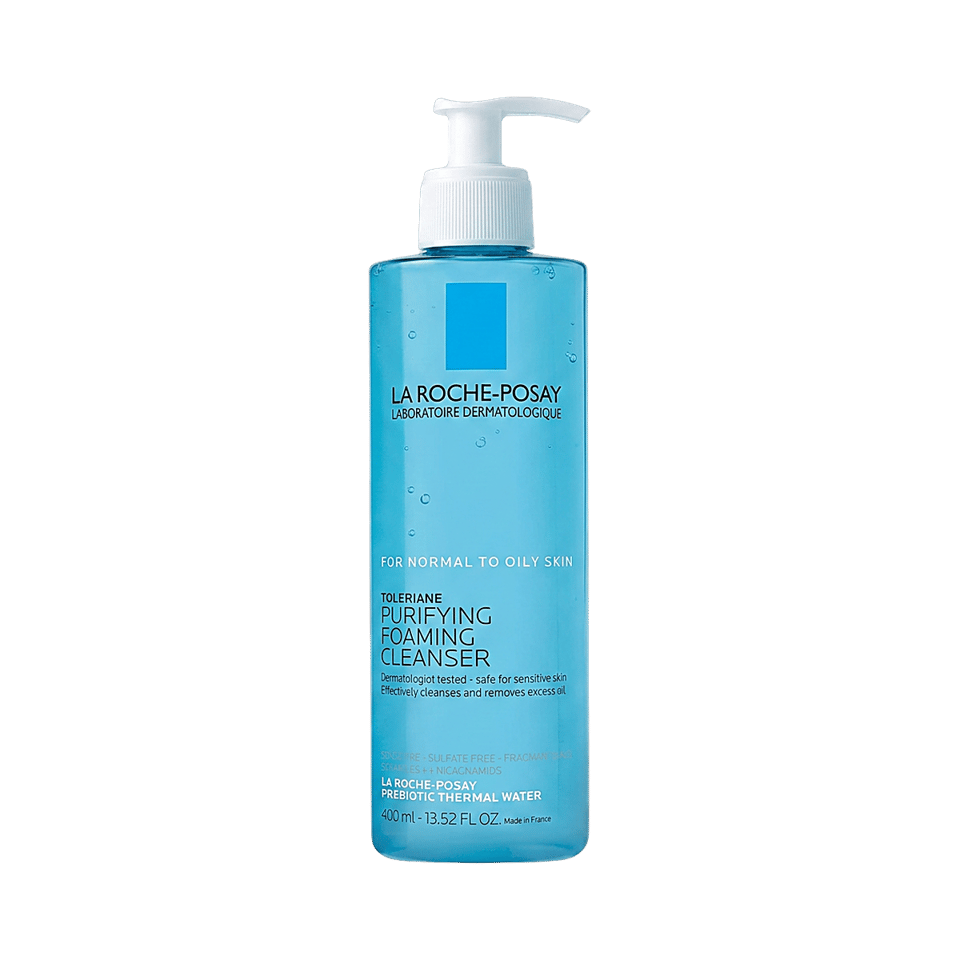
That overcompensation is the trap most people fall into. A high-pH foaming wash or an alcohol toner removes surface oil instantly, which feels like progress, but it also removes the lipids holding water in. What that leaves behind is skin that is tight and easily irritated, while the sebum it was already making returns to the surface. Shine is back by lunchtime, the natural response is to wash again, and the cycle tightens. Breaking it takes about two to three weeks of deliberately gentler cleansing before the skin settles at its real baseline.
There is also a difference between oily and oily-dehydrated skin, and they look identical in the mirror. If your face is shiny but also feels tight, stings with actives, or flakes around the nose while the T-zone glistens, you are dehydrated as well as oily. The fix is not a stronger cleanser — it is a lightweight humectant plus a gel moisturizer, which sounds counterintuitive and works reliably.
Salicylic acid, niacinamide, and retinoids — what each one actually does
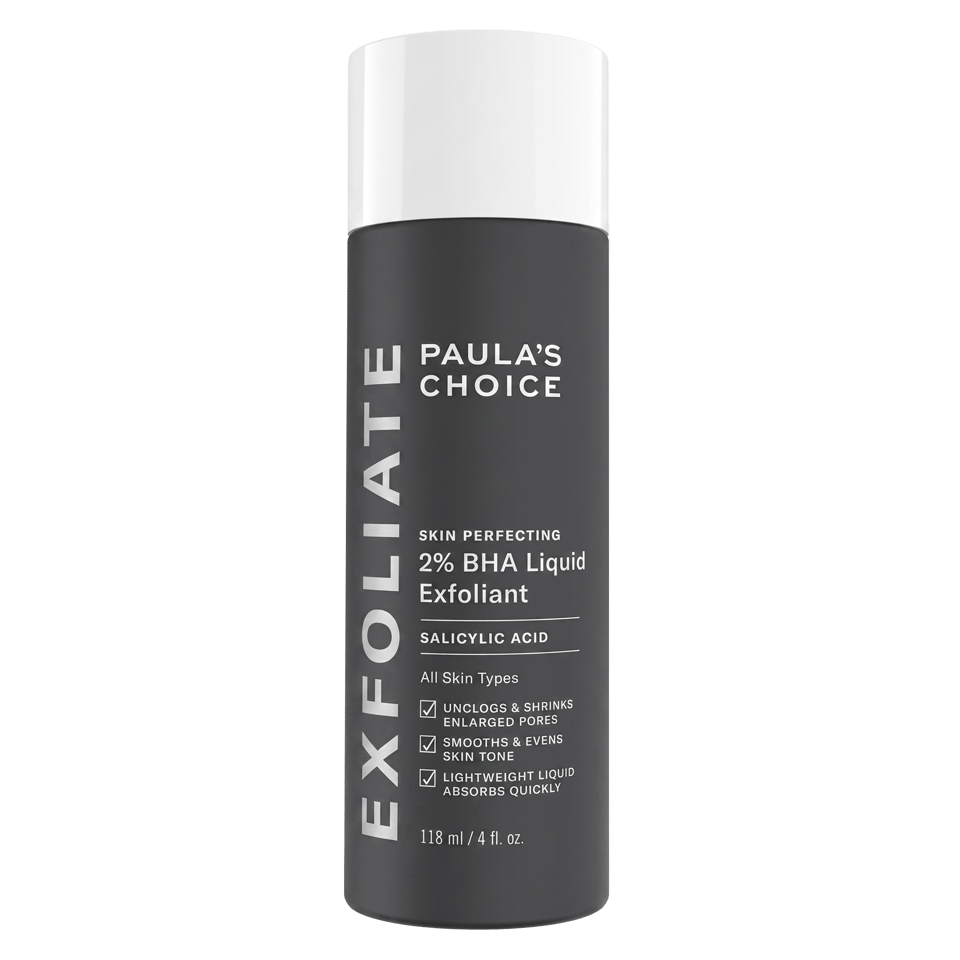
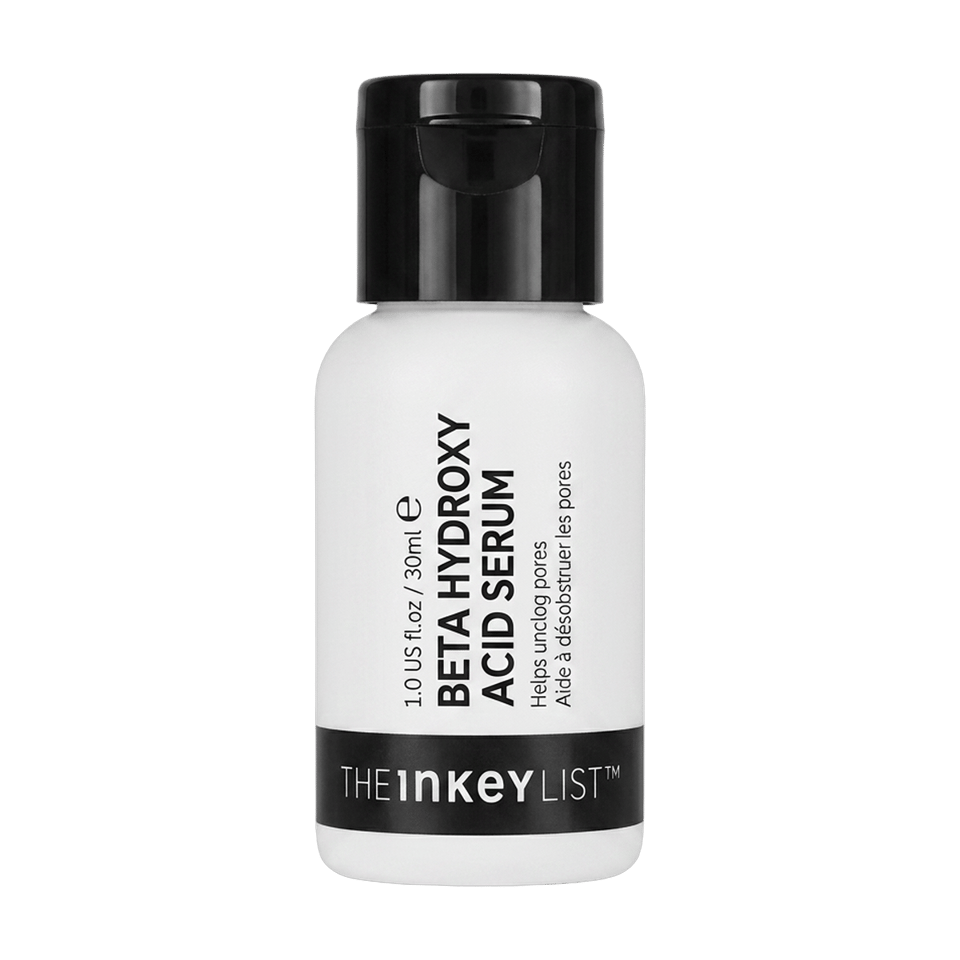
Salicylic acid is a beta hydroxy acid, and its defining property is that it is oil-soluble. That means it can travel into the sebum-filled pore lining where blackheads and closed comedones form, rather than working only on the surface the way glycolic acid does. A 2% leave-on liquid two or three nights a week is enough for most oily skin; daily use is rarely necessary and often provokes the dryness people then blame on the product.
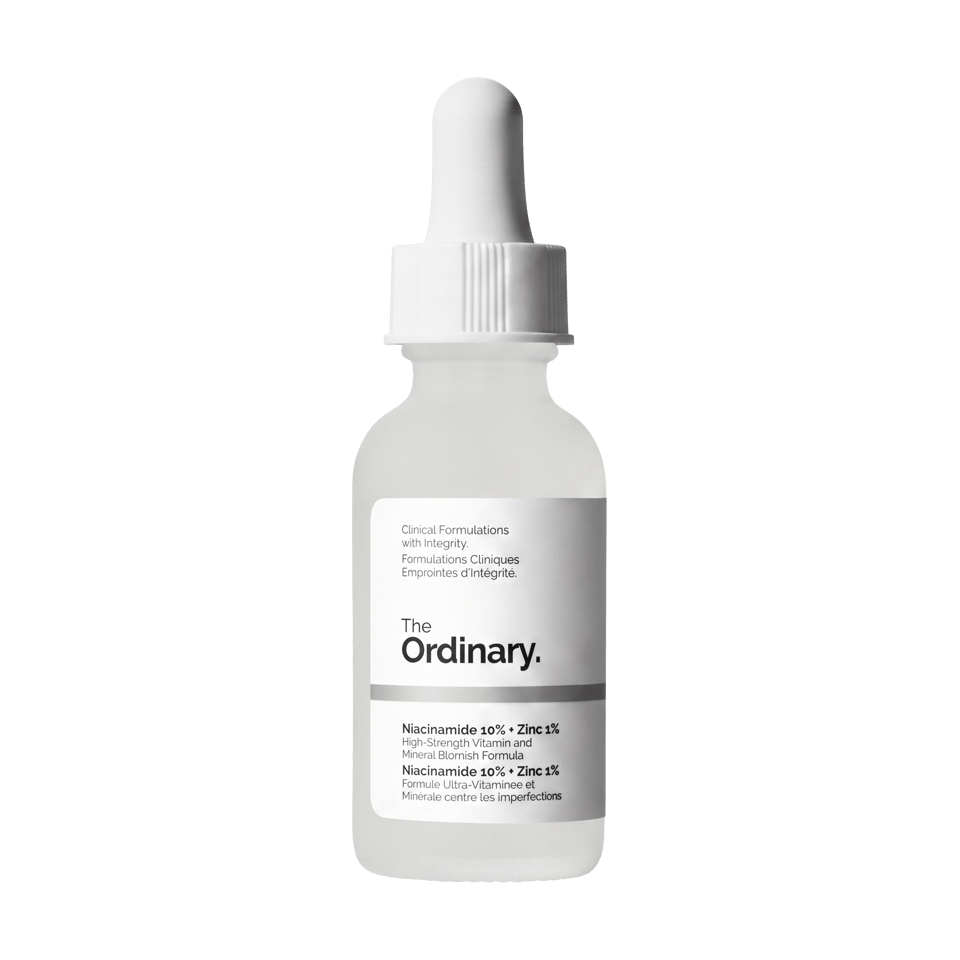
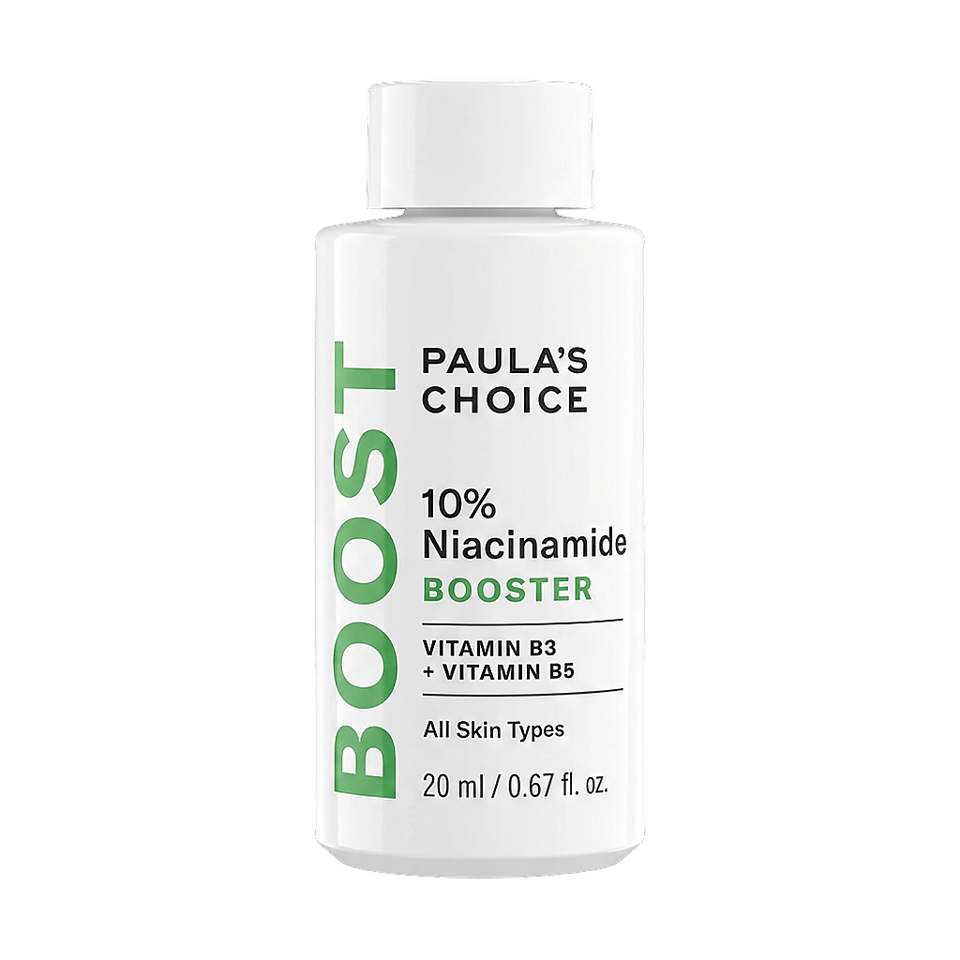
Niacinamide works differently. At 4 to 5 percent it has been shown to reduce sebum output over several weeks, and it also supports ceramide production, which is exactly what an over-washed oily face is short of. It is one of the few actives that suits every zone and every time of day, and it pairs well with both BHA and sunscreen without any of the layering conflicts people worry about.
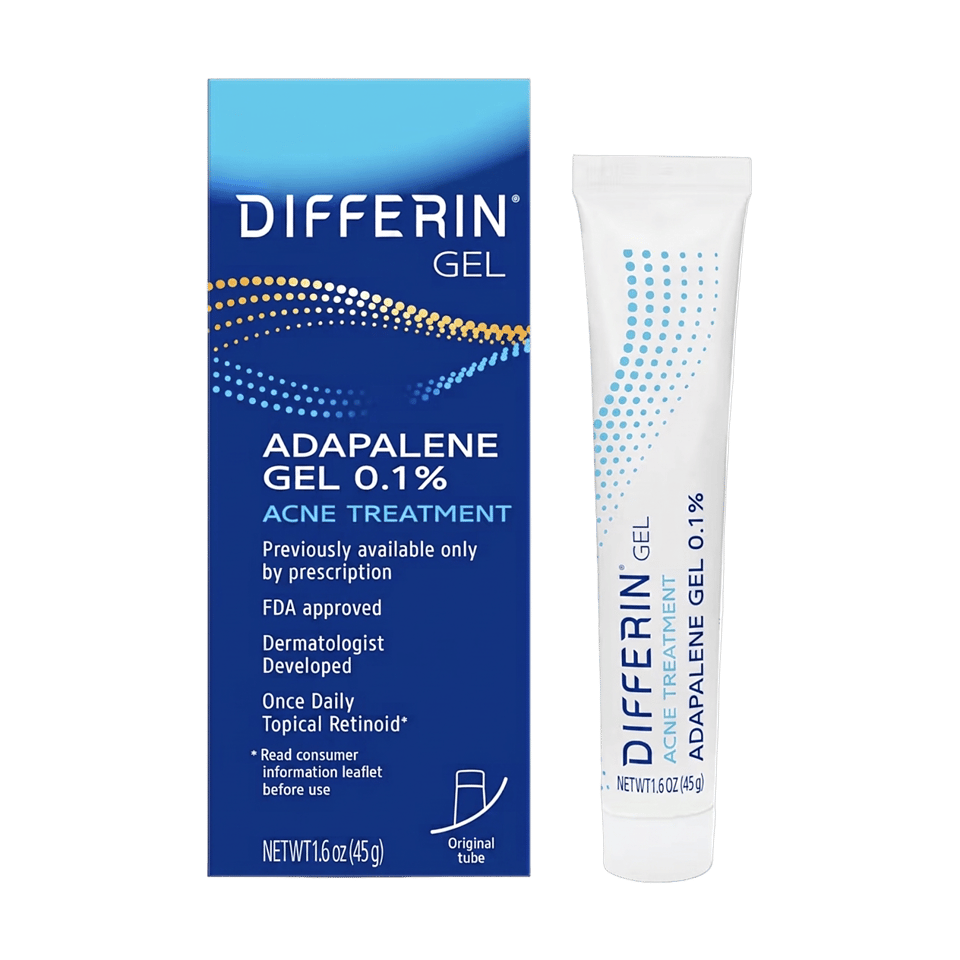
Retinoids are the long game. By normalizing how the pore lining sheds, they stop plugs from forming in the first place, which is why they outperform any scrub for persistent congestion. Start at a low strength twice a week, apply to dry skin, and expect eight to twelve weeks before the picture changes. If you use both, alternate nights rather than stacking BHA and retinol together — the combined irritation is what usually ends people's routines.
One thing that does not help: physical scrubs and pore strips. They remove the oxidized top of a blackhead and leave the plug behind, so the pore refills within days while the friction inflames the surrounding skin.
Moisturizer and sunscreen without the shine
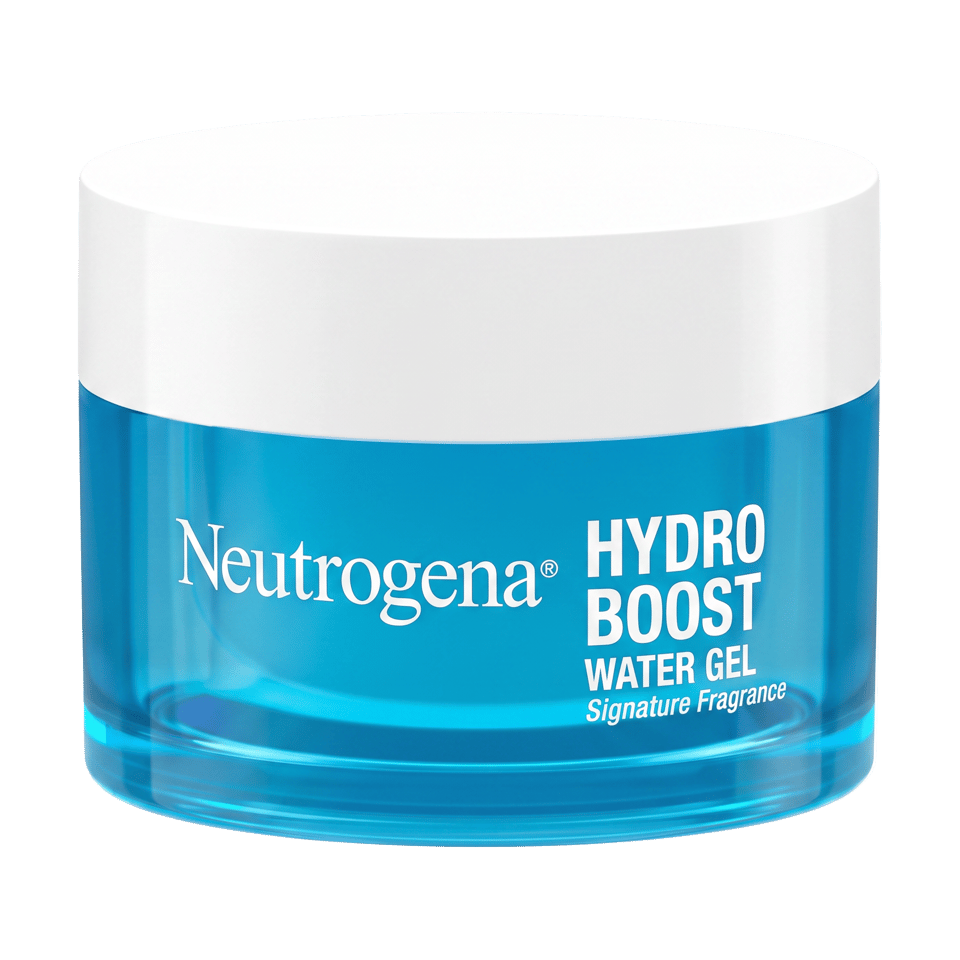
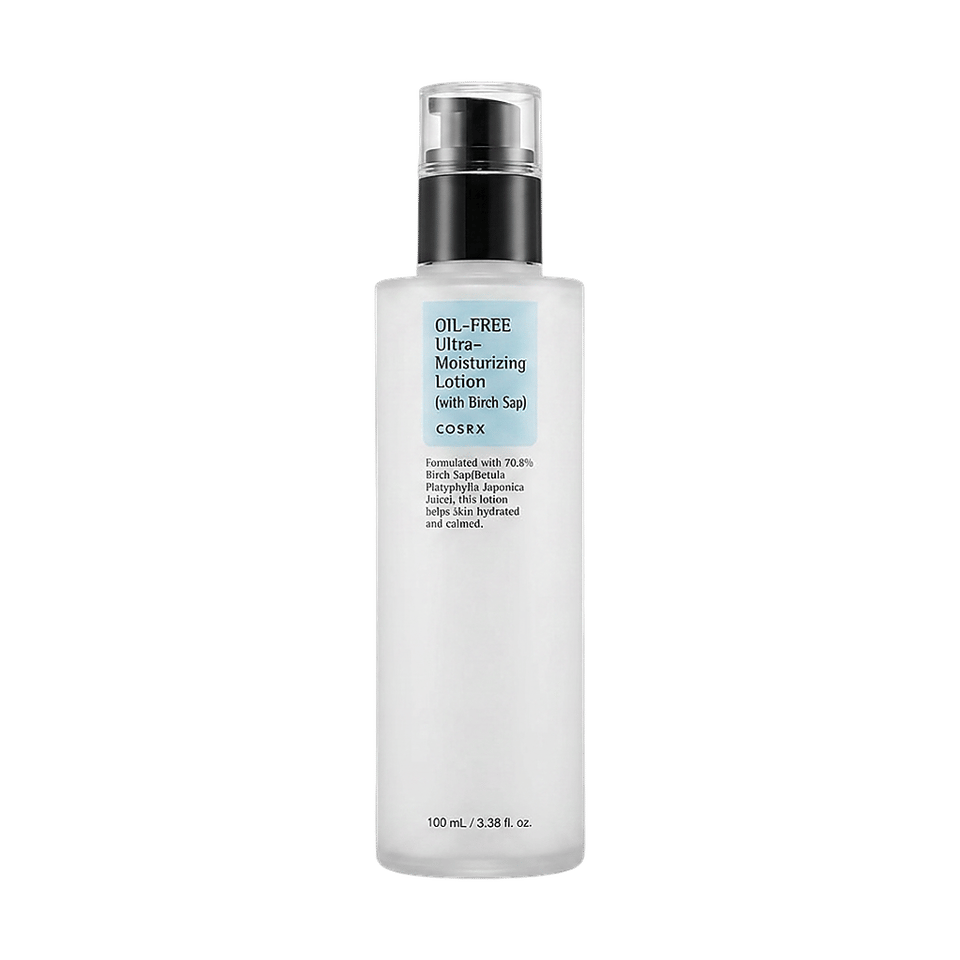
Skipping moisturizer is the most common oily-skin mistake, and it makes shine worse rather than better. What matters is texture, not whether you moisturize at all: a water-gel or an oil-free gel-cream delivers hydration without the heavy occlusives that congest an oily face. Look for glycerin, hyaluronic acid, niacinamide, and squalane, and avoid thick butters and heavy plant oils in the daytime.
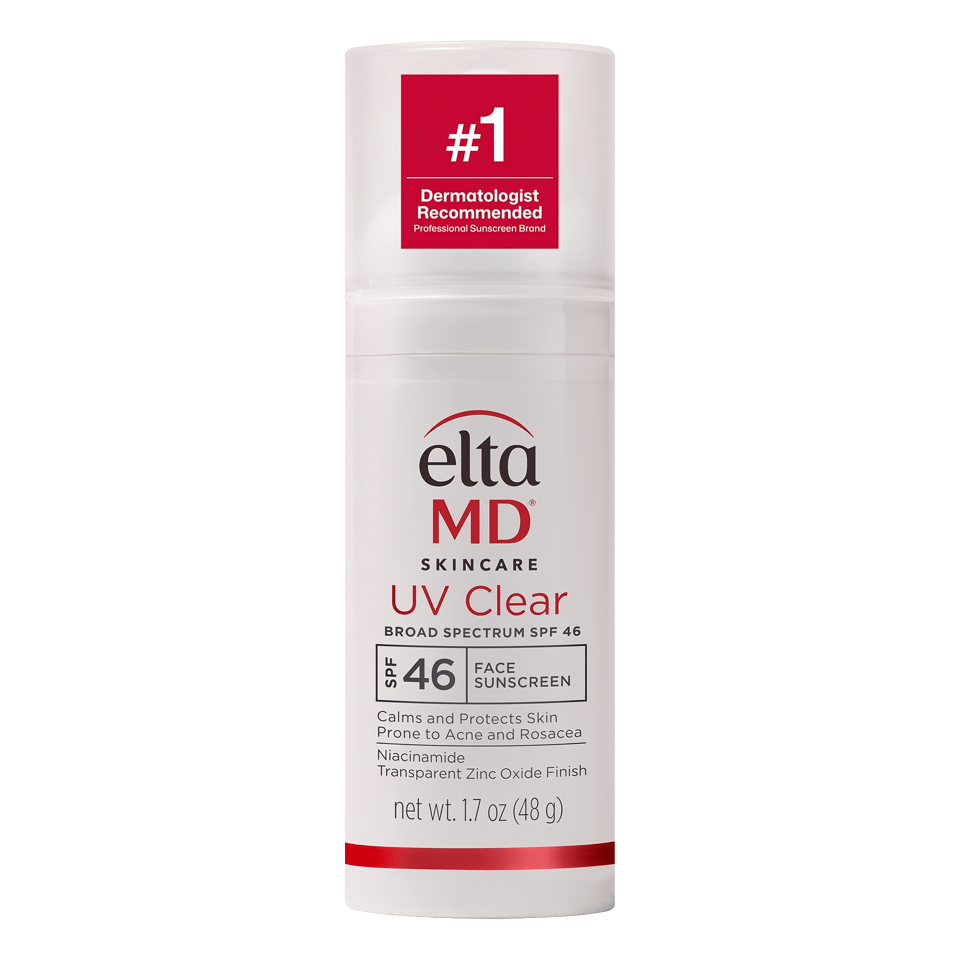
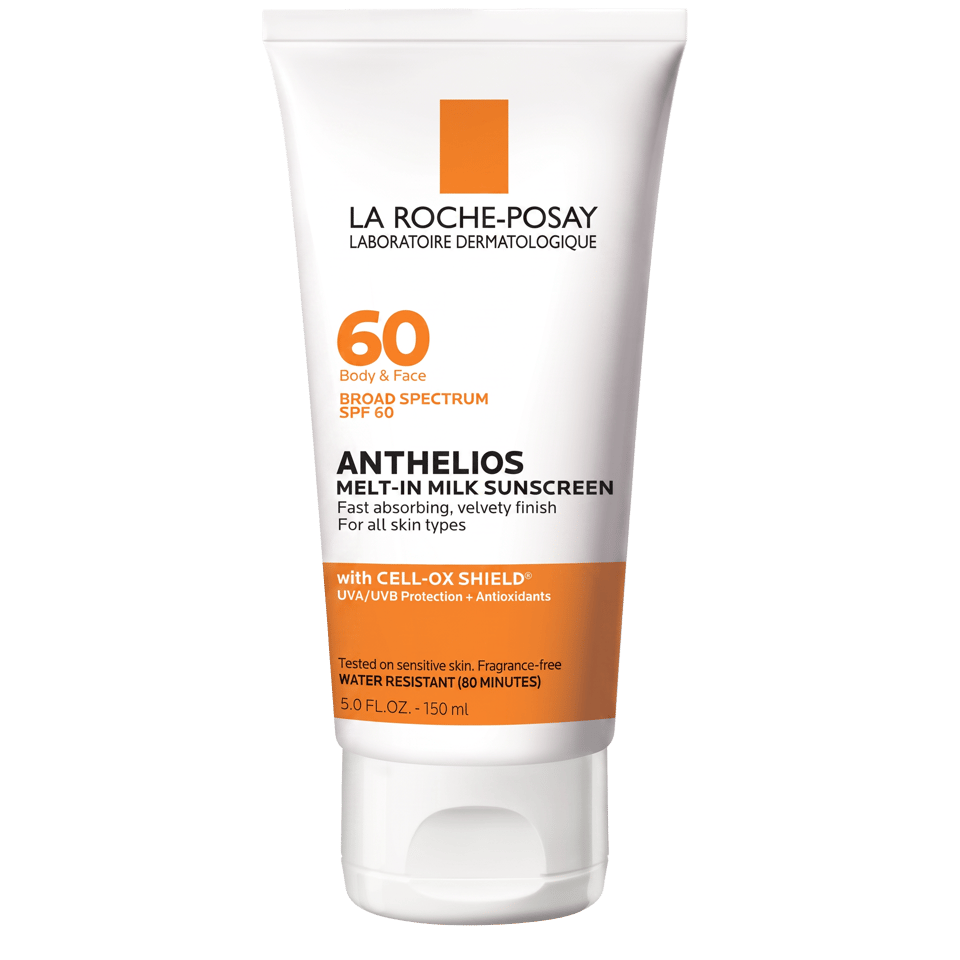
Sunscreen is non-negotiable, including on oily and acne-prone skin. UV thickens the stratum corneum, worsens post-acne marks, and prolongs the redness left behind by every spot. Fluid, gel, and mattifying formulas exist specifically for this skin type, and many of them replace your moisturizer entirely in the morning, which keeps the routine to three steps. If shine still breaks through by midday, blotting papers are a better answer than powder, which builds up in pores over the course of a day.
Makeup and hair products matter more than most people expect. Heavy foundations, hair oils, and pomades that migrate onto the forehead and jawline are a frequent hidden cause of congestion that no amount of BHA will out-run. Non-comedogenic labelling is not regulated, but choosing lighter formulas and washing your face after workouts and before bed covers most of it.
A four-week plan and what results to expect
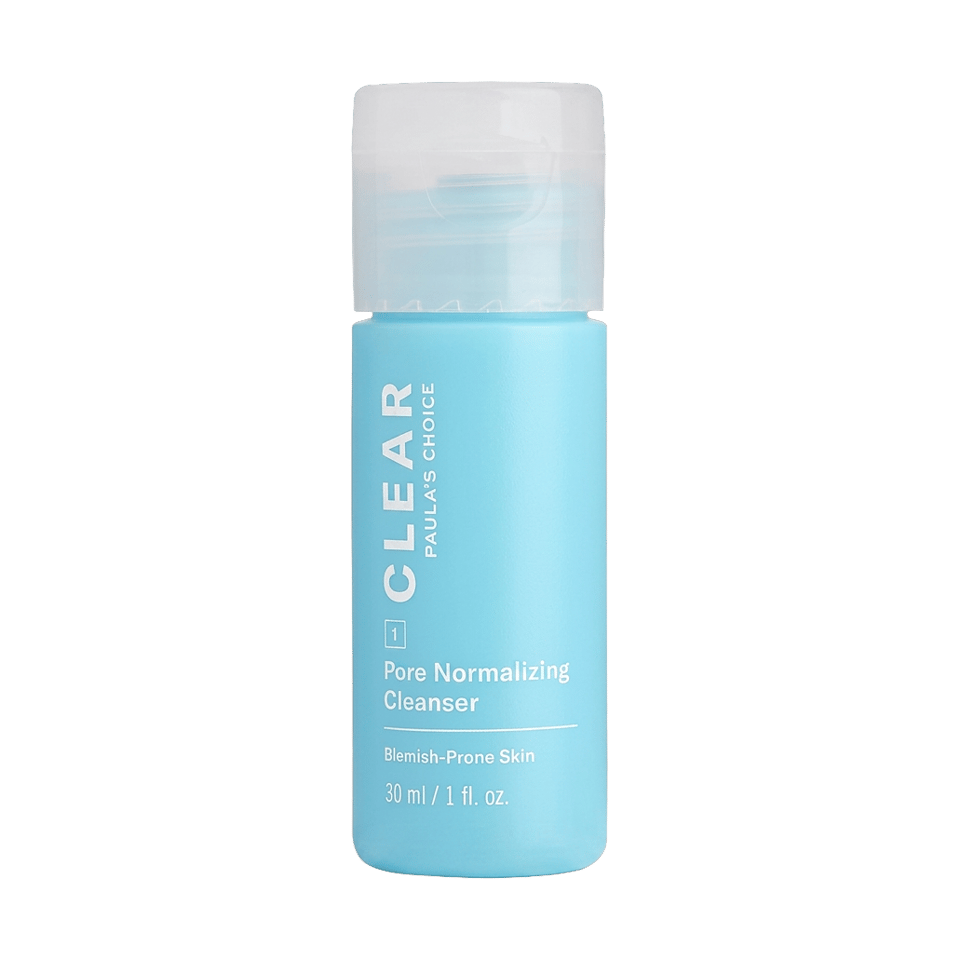
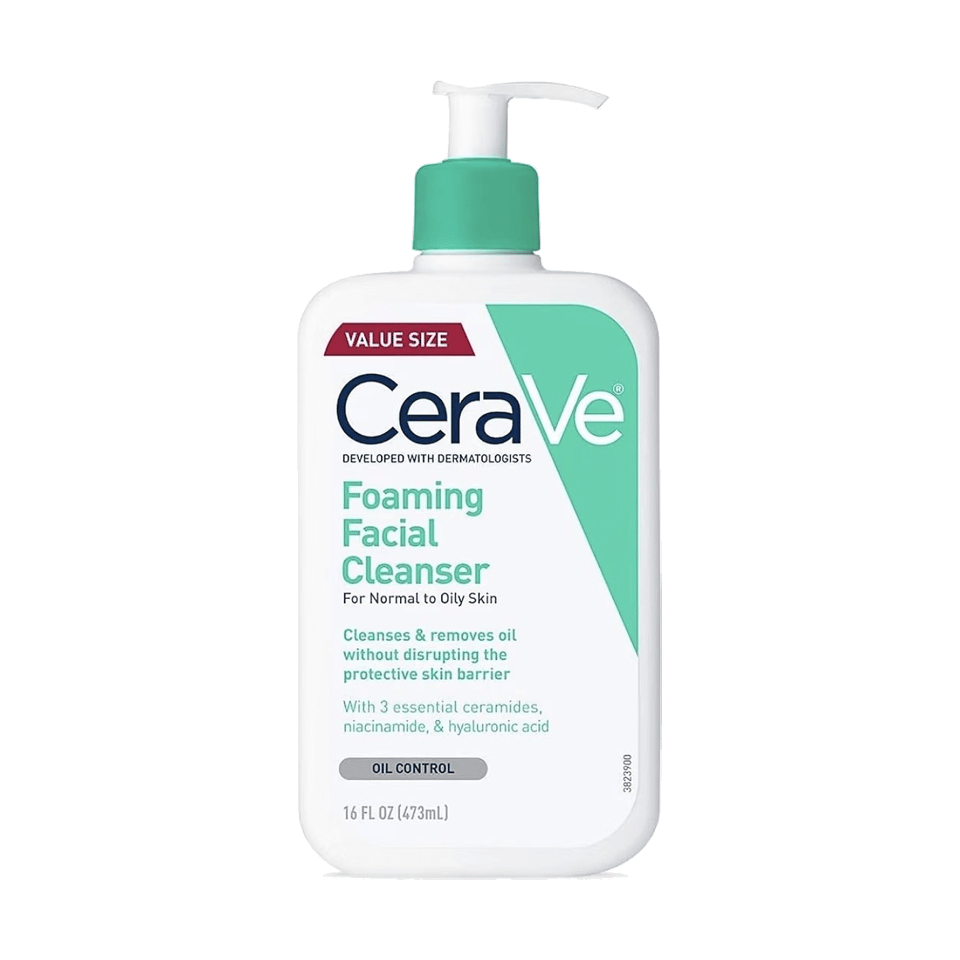
Week one: change only your cleanser. Switch to a gentle gel or low-foam wash, use lukewarm water, and wash twice a day at most — night is essential, morning is optional if your skin feels comfortable on waking. Do not add anything new yet.
Week two: add a lightweight gel moisturizer morning and night, and a niacinamide serum in the morning. Expect the shine and tightness from over-washing to start settling around day ten to fourteen.
Week three: add a daily sunscreen with a fluid or matte finish as your final morning step. Week four: add one treatment — 2% salicylic acid two nights a week, or a low-strength retinol two nights a week if texture and marks are your priority. Never introduce both in the same week.
From there, hold steady. Skin turns over roughly every four to six weeks, so judge any product at the eight-week mark, not the eighth day. Realistic outcomes for consistent oily-skin routines are less midday shine, fewer new blackheads, and visibly smaller-looking pores as they empty — pore size itself is genetic and does not shrink. If you are getting painful cystic lesions rather than surface congestion, that is worth a dermatologist visit; prescription options work far faster than anything on a shelf.