Lumen Ritual

Dry skin guide

The best skincare routine for dry skin

Dry skin lacks oil, so it loses water quickly. The goal is to add hydration, then seal it in with barrier-supporting lipids morning and night.

Build your dry-skin routineTakes about two minutes

Written by Lumen Ritual · Last updated:

Content is reviewed periodically for accuracy and updated as needed. How we research routines

This is general skincare information only and is not medical advice. It is not a substitute for professional diagnosis or treatment. If you have persistent skin concerns, see a dermatologist.

The short answer

Dry skin needs a cream cleanser, a humectant serum applied to damp skin, and a barrier-repair moisturizer with ceramides morning and night, plus daily SPF. Skip foaming cleansers, hot water, and alcohol-heavy toners — they strip the lipids that hold water in your skin.

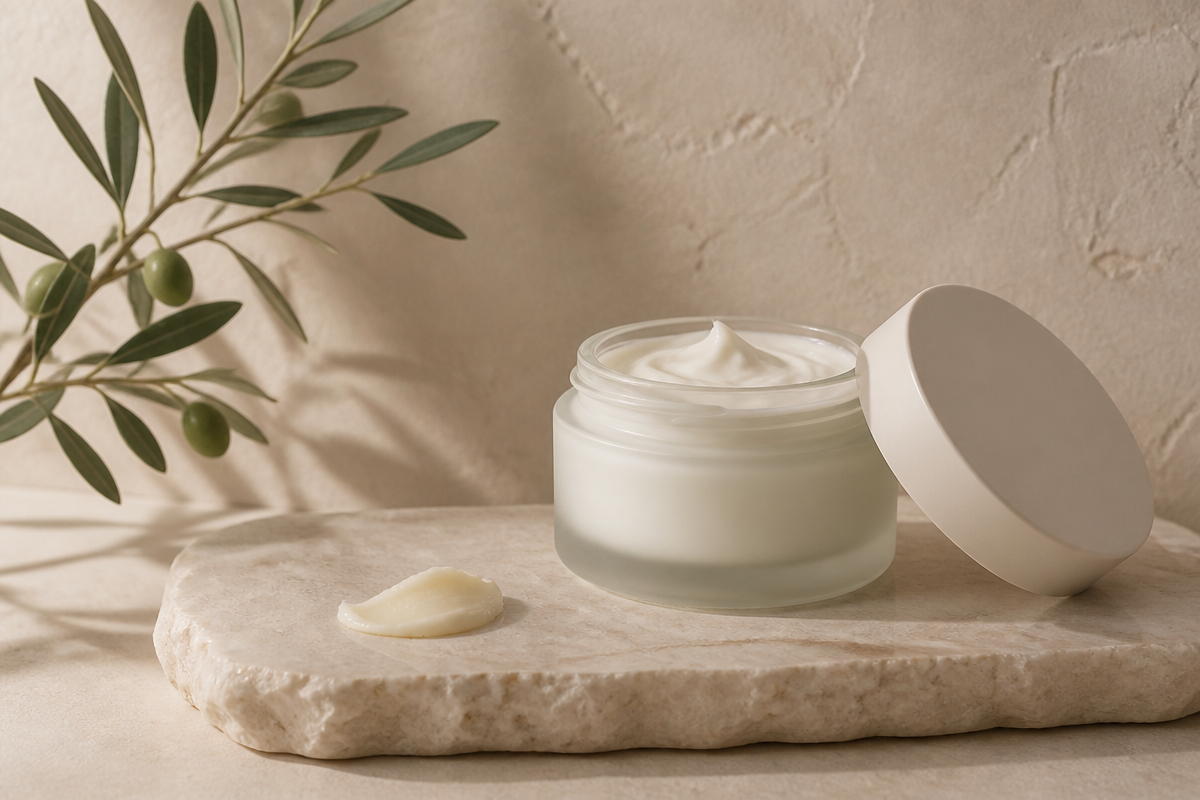
Rich moisturizer jar and hydrating serum for a dry skin skincare routine

Compare the picks

Dry skin at a glance: four picks compared

Hydrate, then seal. These four cover the layers a dry-skin routine leans on most — compare them side by side.

Dry skin at a glance: four picks compared
ProductHero ingredientBest forWhere to buy
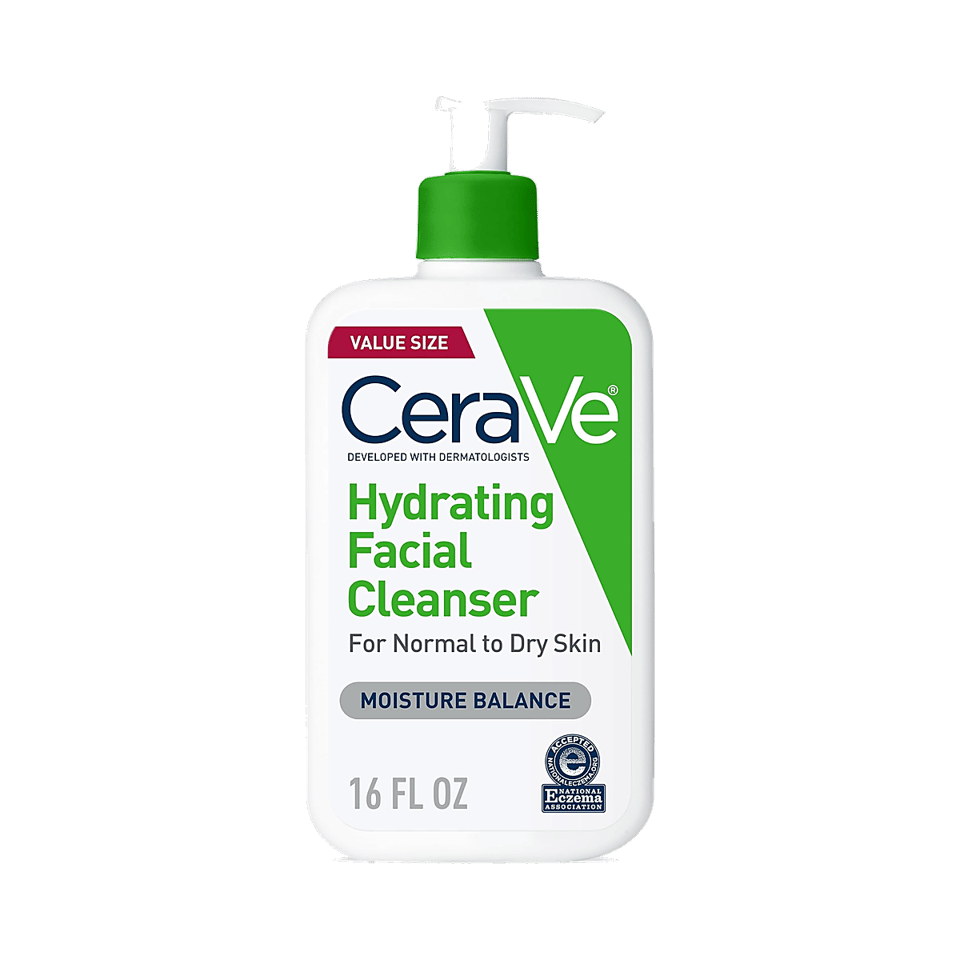
CleanserCeraVeHydrating Facial Cleanser$15Ceramides + hyaluronic acidWashing without the post-cleanse tightnessView on Amazon
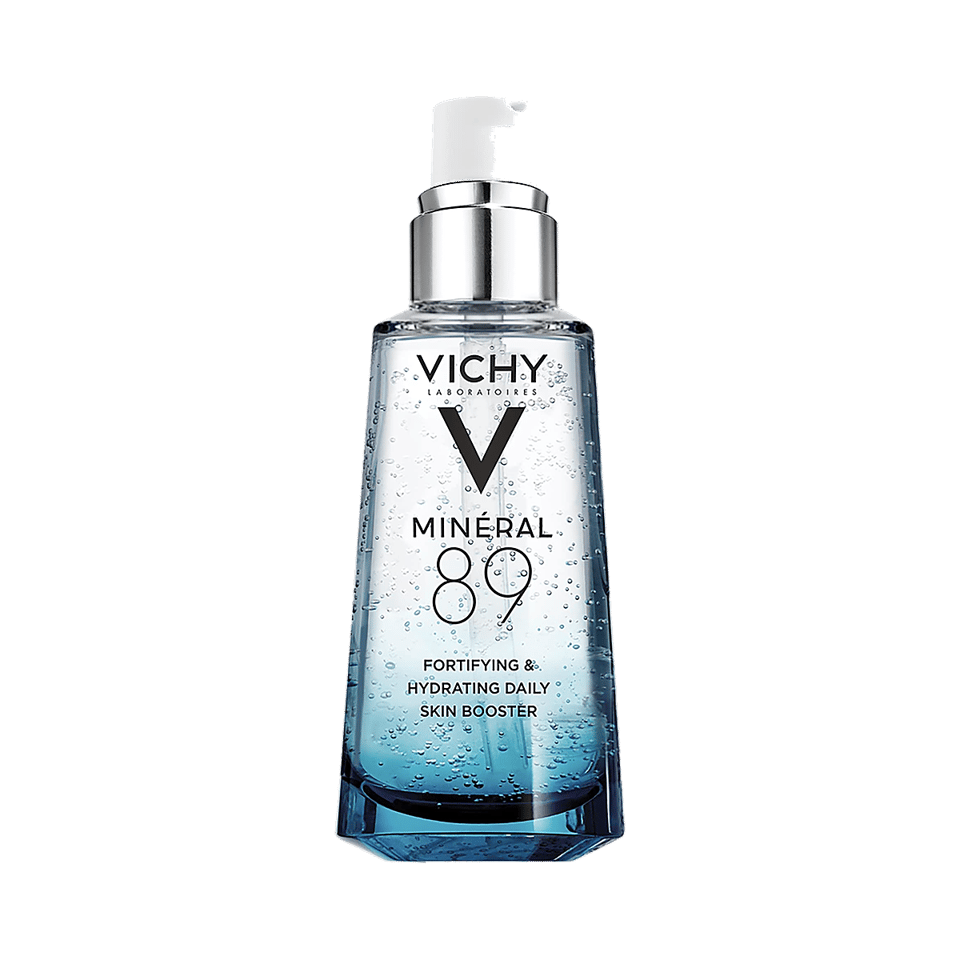
Hydrating serumVichyMinéral 89 Hyaluronic Acid Booster$30Read the full breakdownHyaluronic acidAdding a water layer under your moisturizerView on Amazon
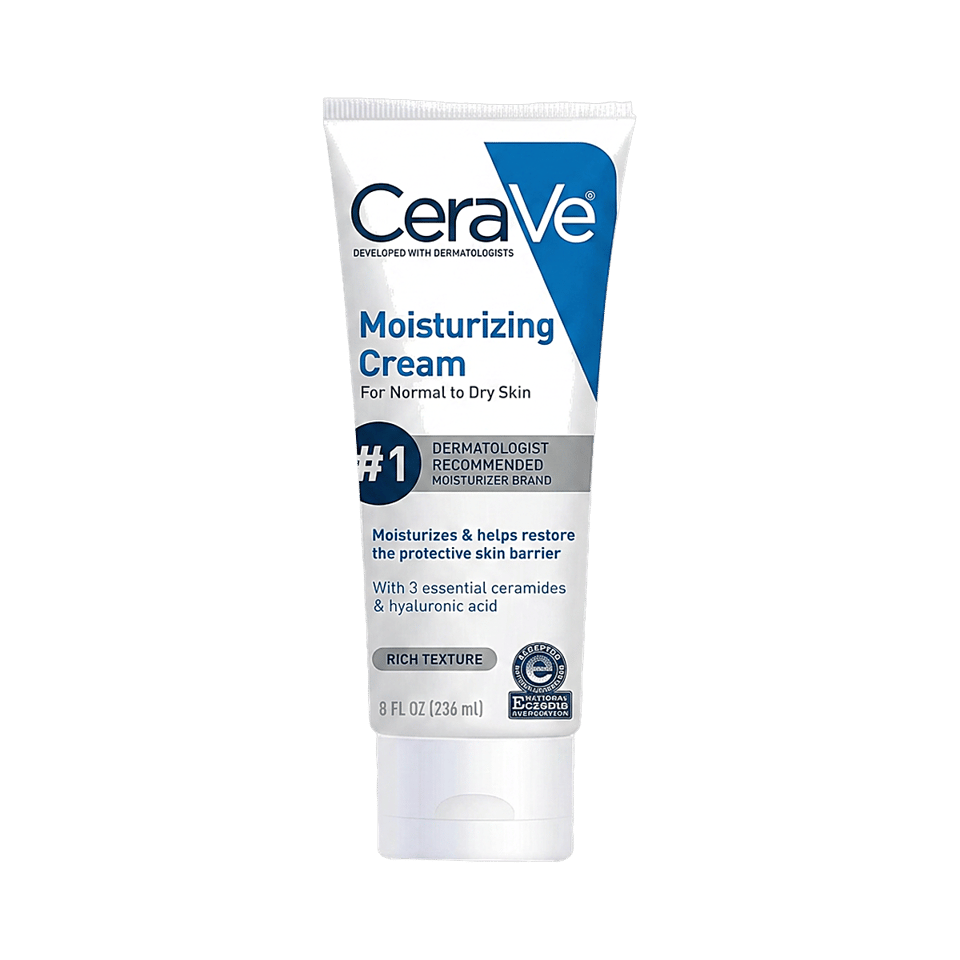
MoisturizerCeraVeMoisturizing Cream$18Read the full breakdownCeramides NP, AP, EOPDeep, long-hold hydration and barrier repairView on Amazon
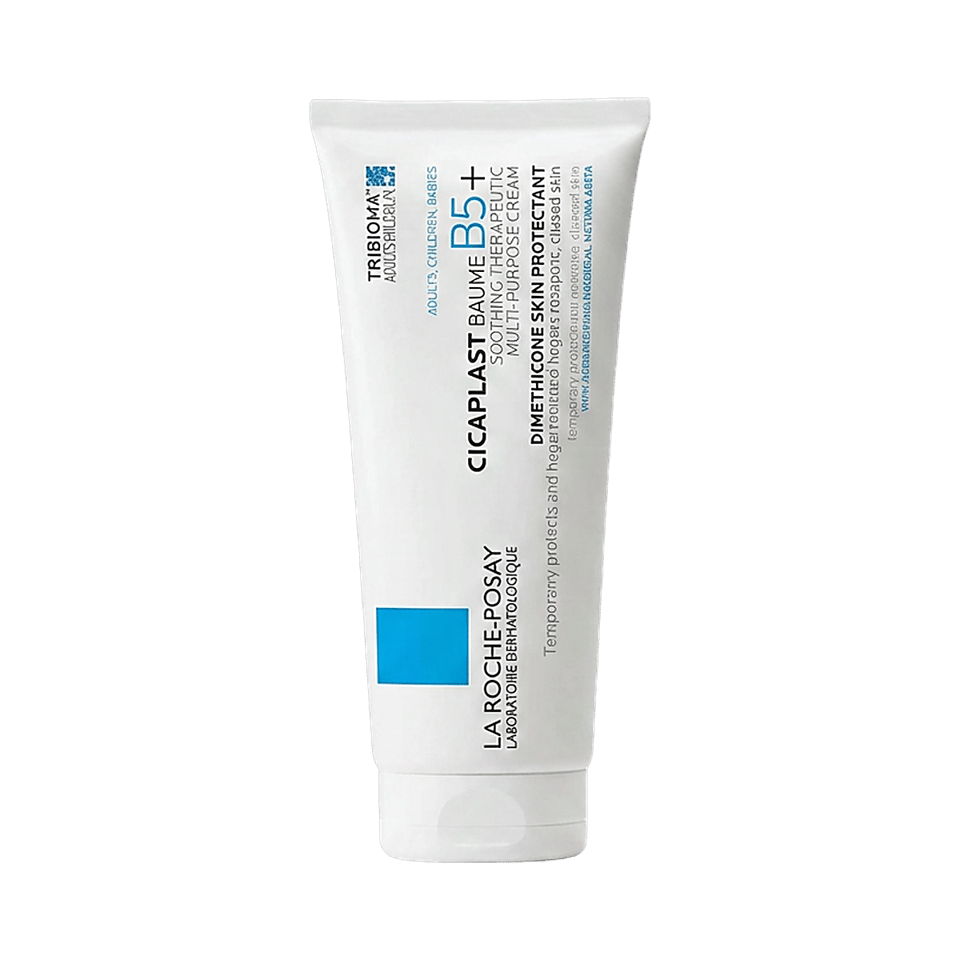
Barrier balmLa Roche-PosayCicaplast Baume B5$16Read the full breakdownPanthenol 5%Flaking, raw patches and post-active recoveryView on Amazon

What dry skin actually needs

Foaming cleansers, alcohol-heavy toners, and daily strong acids make dryness worse. A good dry-skin routine works on three fronts:

  • Cleanse without stripping

    Cream, milk, or balm cleansers remove dirt while leaving natural lipids intact.

  • Layer humectants

    Hyaluronic acid and glycerin pull water into the skin when applied to damp skin.

  • Seal with occlusives

    Ceramides, squalane, and shea butter lock hydration in for hours.

Signs your skin is dry

  • Tightness right after cleansing
  • Flaking, rough patches, or dull texture
  • Fine lines look more pronounced
  • Makeup clings to dry areas

Morning ritual

AM routine for dry skin

Mornings are about gentle refreshment and protection — nothing that strips the barrier you rebuilt overnight.

  1. 1

    Step 1: Cleanse

    Rinse with lukewarm water or use a mild cream cleanser. Skip anything foaming.

  2. 2

    Step 2: Hydrate

    Apply a hyaluronic acid serum to damp skin to draw in moisture.

  3. 3

    Step 3: Moisturize

    Use a rich ceramide cream to seal hydration and repair the barrier.

  4. 4

    Step 4: Protect

    Finish with a hydrating broad-spectrum SPF 30+ — cream formulas suit dry skin best.

Evening ritual

PM routine for dry skin

Evenings are for repair. Feed the barrier with lipids and use gentle actives only as often as your skin tolerates.

  1. 1

    Step 1: Cleanse

    Use a balm or oil cleanser to melt away SPF and makeup without stripping.

  2. 2

    Step 2: Treat

    Apply a peptide or gentle retinal serum a few nights a week to support firmness.

  3. 3

    Step 3: Nourish

    Layer a facial oil or squalane over your serum on very dry nights.

  4. 4

    Step 4: Seal

    Finish with a rich night cream — add a slugging balm on the driest patches.

Open jar of rich moisturizer with facial oil and hydrating serum on cream linen for dry skin

Best ingredients for dry skin

Ceramides

Rebuild the moisture barrier and reduce water loss.

Hyaluronic acid

Binds water into the upper layers of skin.

Squalane

Lightweight lipid that softens and seals.

Peptides

Support firmness without irritating dry skin.

Dry skin vs. dehydrated skin — they are not the same

Dry skin is a skin type: your sebaceous glands produce less oil than average, so the barrier has fewer lipids to hold water in. Dehydrated skin is a temporary condition: the skin is short on water, and it happens to oily and combination skin just as often as it happens to dry skin. The two feel similar — tight, dull, papery — but they need different fixes. Dry skin needs lipids: ceramides, cholesterol, fatty acids, squalane. Dehydrated skin needs water-binding humectants and less of whatever is stripping it, usually hot water, foaming surfactants, or daily acids.

A quick way to tell them apart: wash your face, wait an hour, and apply nothing. If your skin feels tight everywhere and shows no shine at all, you are likely genuinely dry. If it feels tight but you still see oil around the nose or forehead, you are dehydrated rather than dry, and a lighter routine with more humectants will serve you better than a heavy cream. Many people are both at once, especially in winter, which is why the routine below layers a humectant first and a lipid-rich cream second.

Dryness also shifts with season, age, and environment. Central heating, air conditioning, long hot showers, and low humidity flights all accelerate transepidermal water loss. If your skin behaves in October and falls apart in January, you do not need new products so much as a heavier final step and a humidifier in the room where you sleep.

How to layer dry-skin products so nothing is wasted

Order matters more on dry skin than on any other type, because the whole point is trapping water before it escapes. Apply products thinnest to thickest, and apply the first hydrating layer while your face is still visibly damp. Hyaluronic acid on bone-dry skin in a dry room can actually pull moisture out of the deeper layers; on damp skin with a cream sealed over the top, it does exactly what it promises.

A practical sequence: cleanse with lukewarm water, pat until just damp, press in a humectant serum, then a ceramide cream while the serum is still tacky, then a facial oil or occlusive balm on the driest zones only — usually cheeks, around the mouth, and any flaking patches. Give each layer twenty or thirty seconds rather than rubbing everything in at once. On very cold nights, a thin layer of a petrolatum-based balm over your cream (often called slugging) reduces overnight water loss dramatically.

Actives still belong in a dry-skin routine, just at a slower cadence. Retinoids and gentle acids improve texture and tone, but buffer them: moisturizer first, active second, moisturizer again. Two nights a week is plenty to start. If you wake up with stinging, flaking, or new redness, that is a barrier signal — drop back to cleanser, moisturizer, and sunscreen only for a week and let the skin recover before reintroducing anything.

A realistic four-week plan for dry skin

Week one: change nothing except your cleanser and your water temperature. Swap any foaming wash for a cream or milk cleanser and wash with lukewarm water. Most people see measurably less tightness from this single change before they buy anything else.

Week two: add a humectant serum to damp skin morning and night, and upgrade your moisturizer to something with ceramides. Do not add an active yet — you want a clean baseline so you can tell what is helping.

Week three: add a daily sunscreen in a cream or hydrating finish. UV damage degrades the very lipids and collagen you are trying to rebuild, and a dry-skin routine without SPF is a bucket with a hole in it. Week four: if your skin has stopped feeling tight, introduce one active — a low-strength retinol or a weekly lactic acid — and hold there for a month before changing anything else. Skin turns over roughly every four to six weeks, so give any new product at least that long before you judge it.

What to use for dry skin

  • CleanserBest overall

    CeraVe Hydrating Facial Cleanser

    Non-foaming, ceramide-containing cleanser that removes the day without stripping the lipids dry skin cannot spare.

    View CeraVe on Amazon
  • CleanserBudget pick

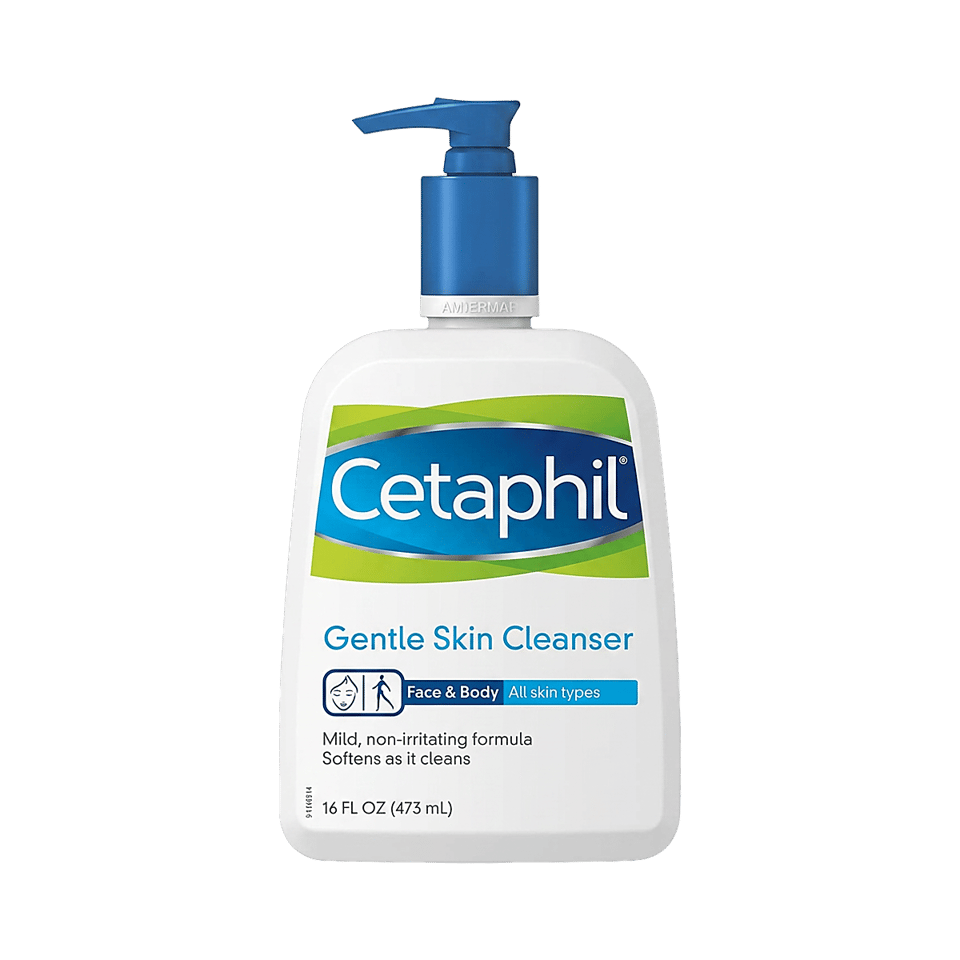
    Cetaphil Gentle Skin Cleanser

    A near-identical low-foam wash in a bigger bottle — the cheapest safe swap if you are replacing a foaming cleanser today.

    View Cetaphil on Amazon
  • SerumBest overall

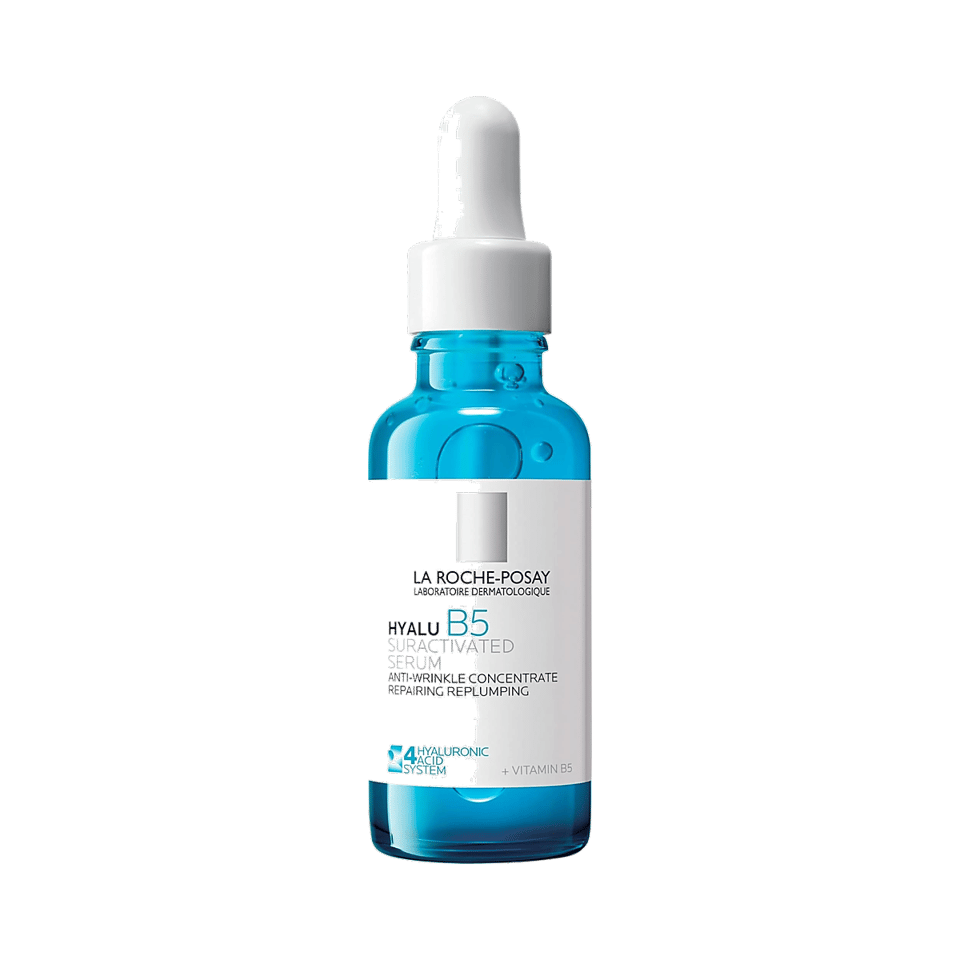
    La Roche-Posay Hyalu B5 Serum

    A straightforward hyaluronic acid and panthenol serum to press into damp skin before your cream.

    View La Roche-Posay on Amazon
  • SerumBudget pick

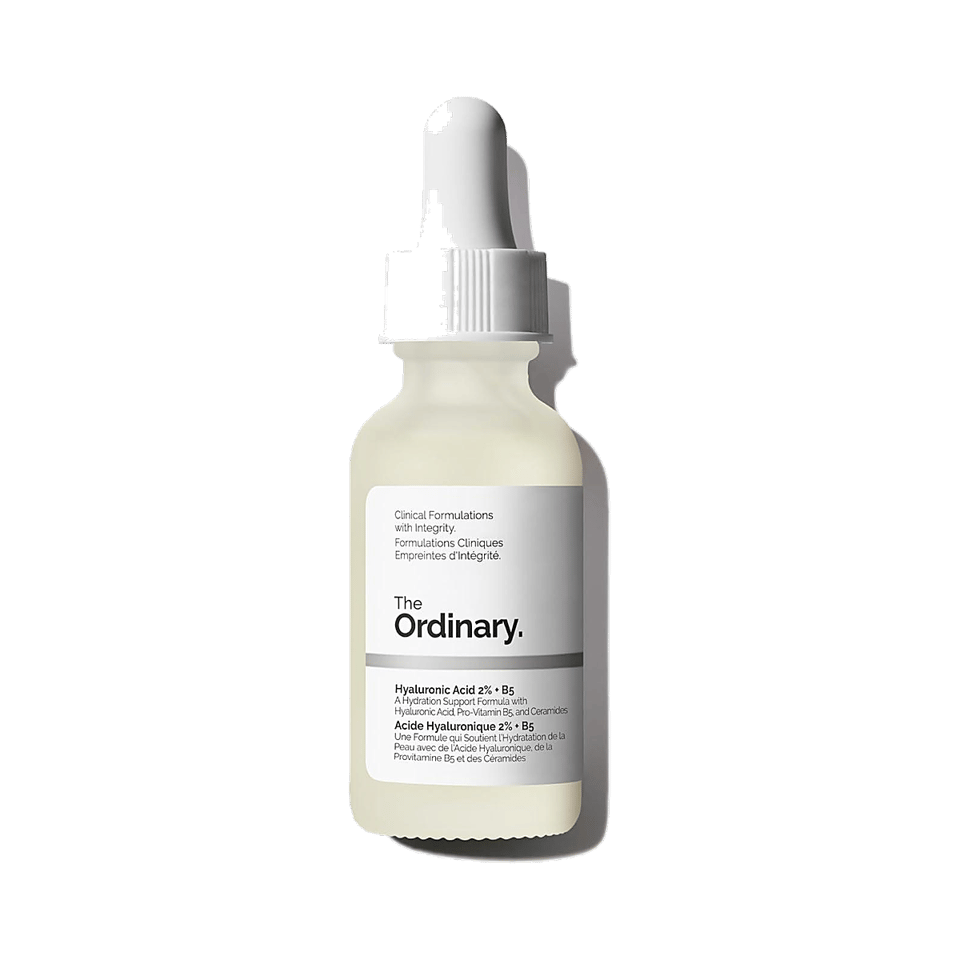
    The Ordinary Hyaluronic Acid 2% + B5

    The same humectant idea for a few dollars; works well as long as you seal it with a cream straight after.

    View The Ordinary on Amazon
  • MoisturizerBest overall

    CeraVe Moisturizing Cream

    Thick ceramide and cholesterol cream that seals hydration overnight; works as a slugging layer on the driest patches.

    View CeraVe on Amazon
  • SunscreenBest overall

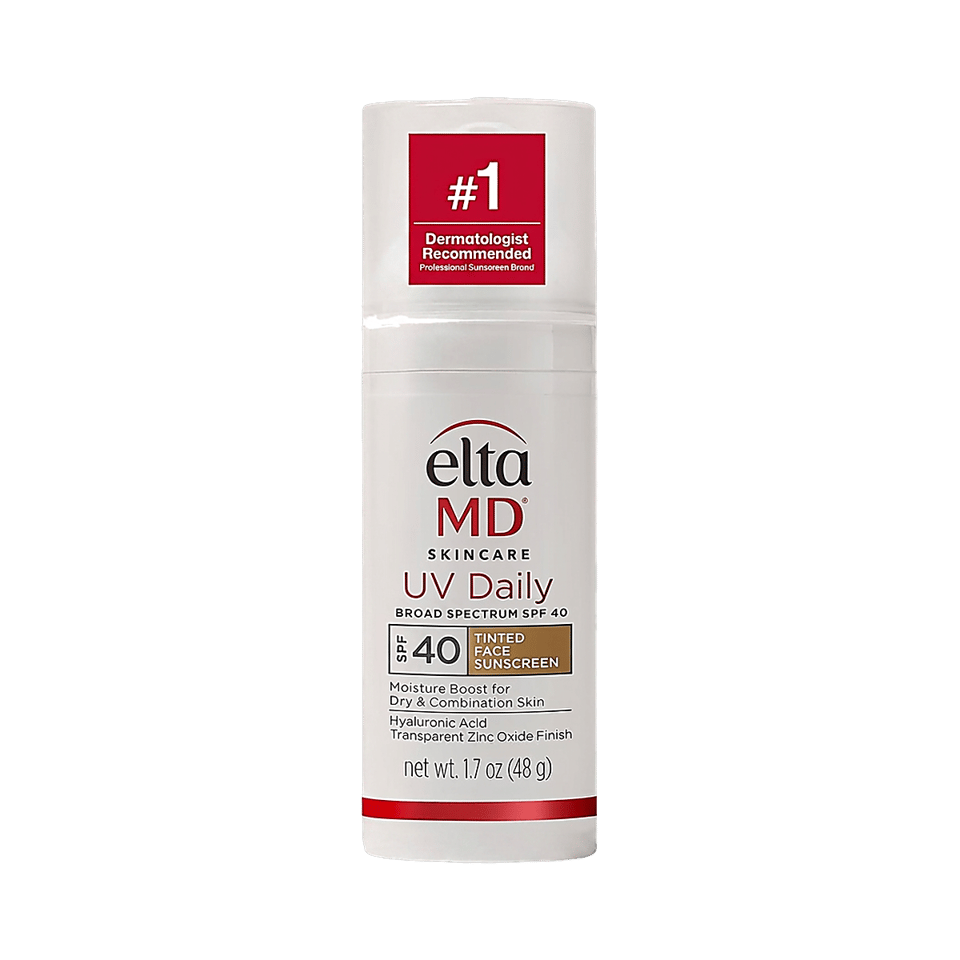
    EltaMD UV Daily Broad-Spectrum SPF 40

    A hydrating daily sunscreen that layers over cream without pilling or leaving skin tight.

    View EltaMD on Amazon
  • SunscreenBudget pick

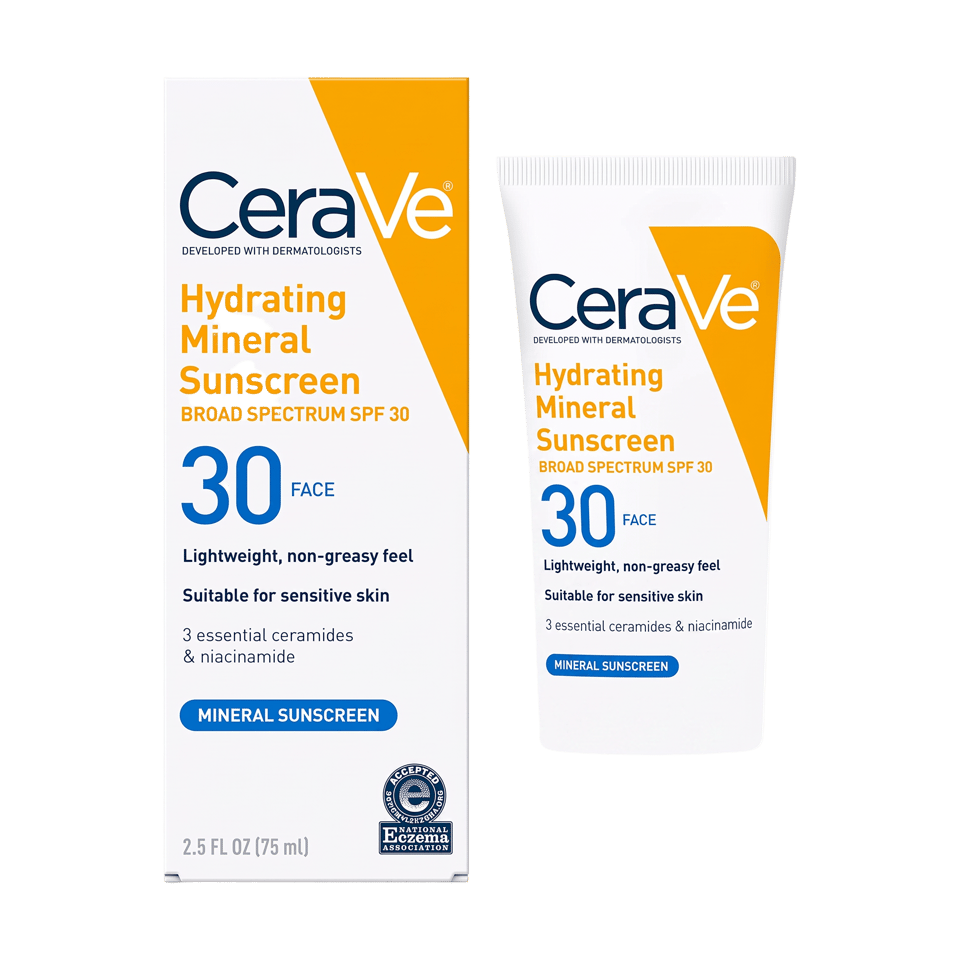
    CeraVe Hydrating Mineral Sunscreen SPF 30

    Ceramides plus mineral filters at drugstore pricing — a comfortable everyday option for dry skin.

    View CeraVe on Amazon

Dry skin questions, answered

How often should I exfoliate dry skin?
Once a week at most, using a gentle lactic acid or PHA. Over-exfoliating dry skin damages the barrier and increases flaking.
Can dry skin use retinol?
Yes, but start with a low strength twice a week and buffer it by applying moisturizer first. Stop if you see persistent irritation.
Do I need a facial oil if I already use a cream?
Only if your cream alone does not hold you overnight. Apply oil as the final step so it seals in the hydration underneath.

Get your personalized dry-skin ritual

This guide is a strong starting point. Take the two-minute quiz and we will tailor the steps, product picks, and order to your exact skin and concerns.

Start the quiz — skin pre-set to dry

You can still adjust your concerns and routine depth inside the quiz.