Mistakes that damage the barrier
Over-exfoliating
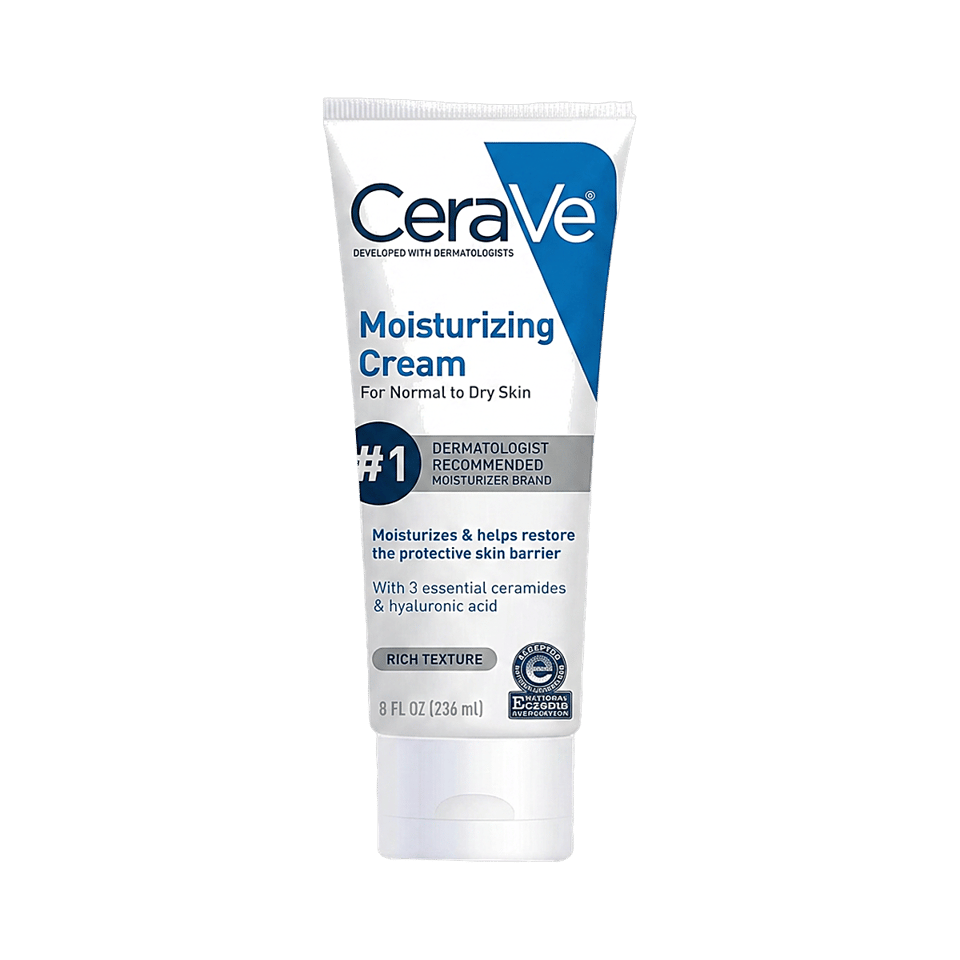
Daily acids plus a scrub plus a retinoid leaves skin shiny-tight, stinging, and red. Cut back to one chemical exfoliant once or twice a week and give the barrier two to four weeks to recover with a plain ceramide moisturizer.
Washing with hot water
Hot water strips lipids and dilates vessels. Lukewarm is enough to dissolve sunscreen and sebum when paired with a proper cleanser.
Cleansing three or more times a day
Twice is plenty for almost everyone. Extra washes leave skin tight and irritated, which often reads as oily skin.
Using alcohol-heavy toners for shine
They degrease for an hour and dehydrate for the rest of the day. A niacinamide serum helps moderate shine without that trade.
Mistakes that waste your actives
Stacking incompatible actives
Retinol, AHA, BHA, and vitamin C in one session mostly produces irritation. Split them across morning and evening, or across different nights.
Applying actives to soaking wet skin
Wet skin absorbs more and stings more, especially with retinoids. Pat until barely damp, or fully dry for a retinoid.
Using too little sunscreen
A quarter teaspoon for the face is the tested amount. A thin smear delivers a fraction of the labeled protection, and undermines every pigment and anti-aging product you own.
Buying a stronger percentage after two weeks
Strength is not what makes actives work — consistency and time are. Higher percentages mostly buy more irritation.
Mistakes of impatience
Switching products every few weeks
Skin renews on a cycle of roughly four to six weeks. Judging a product before eight to twelve weeks means you will never see what any of them do.
Treating a purge as a failure
Small breakouts in weeks two to six of a retinoid or acid are the normal acceleration of existing congestion. Painful cysts or spreading redness are not — stop those.
Adding a product for every symptom
Each addition makes the routine harder to diagnose. When something goes wrong, strip back to cleanser, moisturizer, and SPF, then reintroduce one item a week.
Mistakes people do not think of as skincare
Skipping SPF indoors or in winter
UVA passes through glass and cloud year-round and drives most visible aging.
Dirty pillowcases and phone screens
Both press oil and bacteria back onto the face. Change pillowcases twice a week; wipe the phone.
Picking at spots
It converts a two-day blemish into a two-month dark mark, and is the leading cause of post-inflammatory pigmentation.
Ignoring the neck and hands
Both show sun damage early and both take the same sunscreen and moisturizer you already own.
How to reset a routine that has gone wrong
Stop every . For two weeks use only a gentle cleanser, a bland moisturizer, and . Stinging usually settles within days and redness within two weeks.
Then reintroduce one product a week, starting with the one you most want to keep, at the lowest frequency that shows a benefit. Nine times out of ten, the routine that emerges is shorter than the one that failed — and it works.
Mistake: exfoliating far more than your skin can repair
Exfoliating acids and scrubs feel productive, which is exactly why they get overused. A daily glycolic toner, a weekly peel pad, a scrub in the shower, and a at night is four exfoliating actions on skin that only fully renews itself every twenty-eight days or so. The early result is a bright, smooth surface. The later result is stinging with plain water, redness that will not settle, small flakes that reappear hours after moisturizer, and breakouts along the jaw and cheeks that behave nothing like your usual pattern.
The fix is arithmetic rather than willpower. Count every exfoliating step in your week, including the , and cut the total to two or three sessions for normal and oily skin, one or two for dry and sensitive skin. Keep one acid, not three. If your skin is already reactive, stop all of them for two full weeks and use only a gentle cleanser, a moisturizer, and . Skin that recovers on that regimen was over-exfoliated, not dehydrated, and the two look almost identical from the outside.
Mistake: calling every breakout 'purging' and pushing through
is real but narrow. It only happens with ingredients that speed up cell turnover — retinoids, , , — and it only appears where you normally break out, because those products are surfacing congestion that was already forming. It peaks within two to four weeks and then clearly improves.
Anything else is a reaction. Breakouts in places you never break out, small uniform bumps that arrive within days, itching, or spots from a moisturizer, oil, or are not , and continuing for months only extends the damage. A simple rule keeps you honest: right ingredient, usual places, improving by week six means keep going. Wrong ingredient category, new places, or getting worse means stop, simplify, and reintroduce one product at a time.
Mistake: treating sunscreen as a summer product
UVA — the wavelength most responsible for pigmentation and collagen breakdown — is roughly constant year round, passes through cloud, and penetrates window glass. Skipping from October to March, or on days spent indoors near a window, quietly undoes the , , and brightening work you paid for the rest of the year. It is also the single biggest reason from old spots refuse to fade.
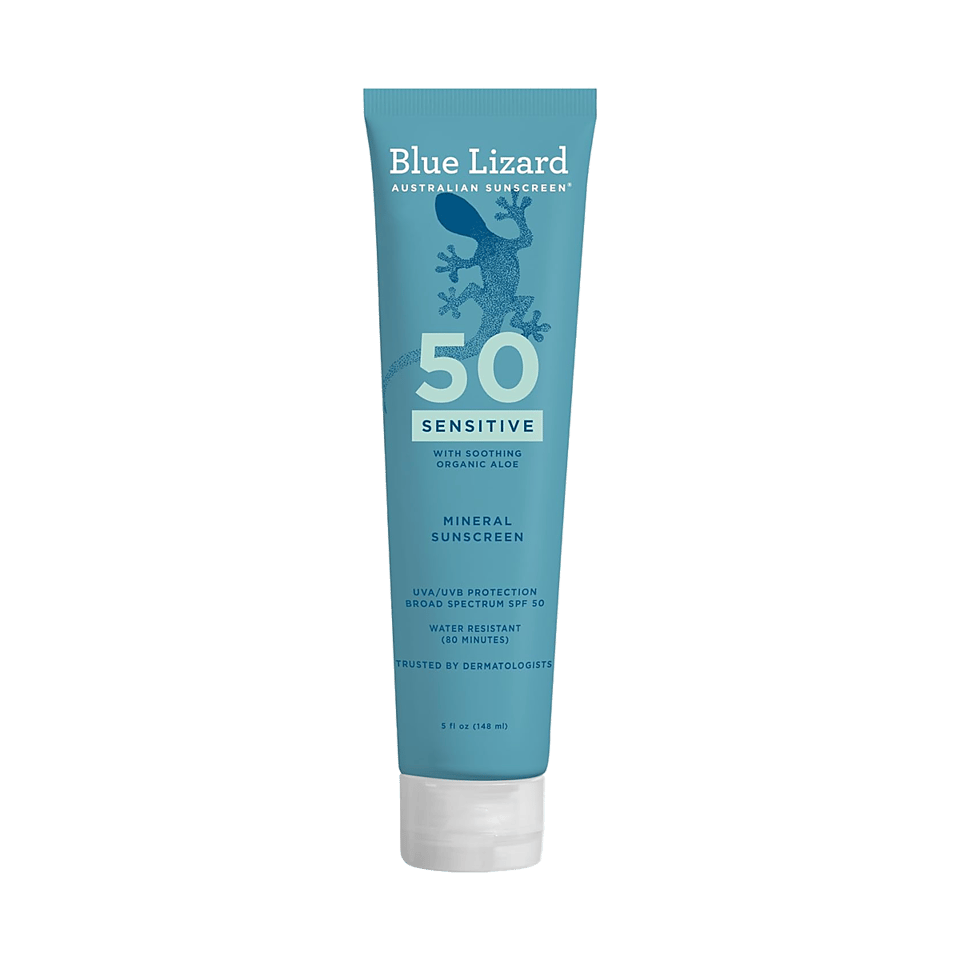
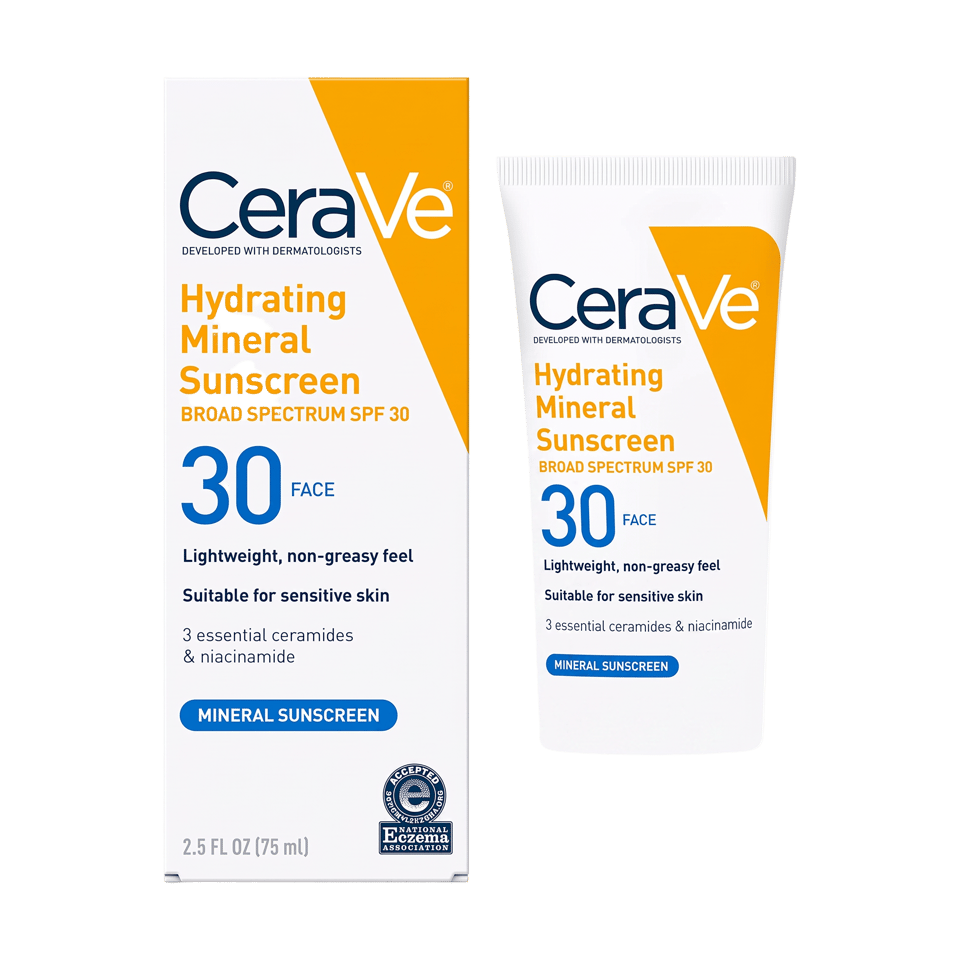
Wear a broad-spectrum 30 or higher every morning you will see daylight, use about a quarter teaspoon on the face and the same again on the neck, and reapply only when you are outdoors for extended stretches. If you dislike the finish, the problem is almost always the formula rather than sunscreen itself — fluid, gel, and mineral tinted textures behave very differently on oily and dry skin.
How to recover after any of these mistakes
Strip back for fourteen days
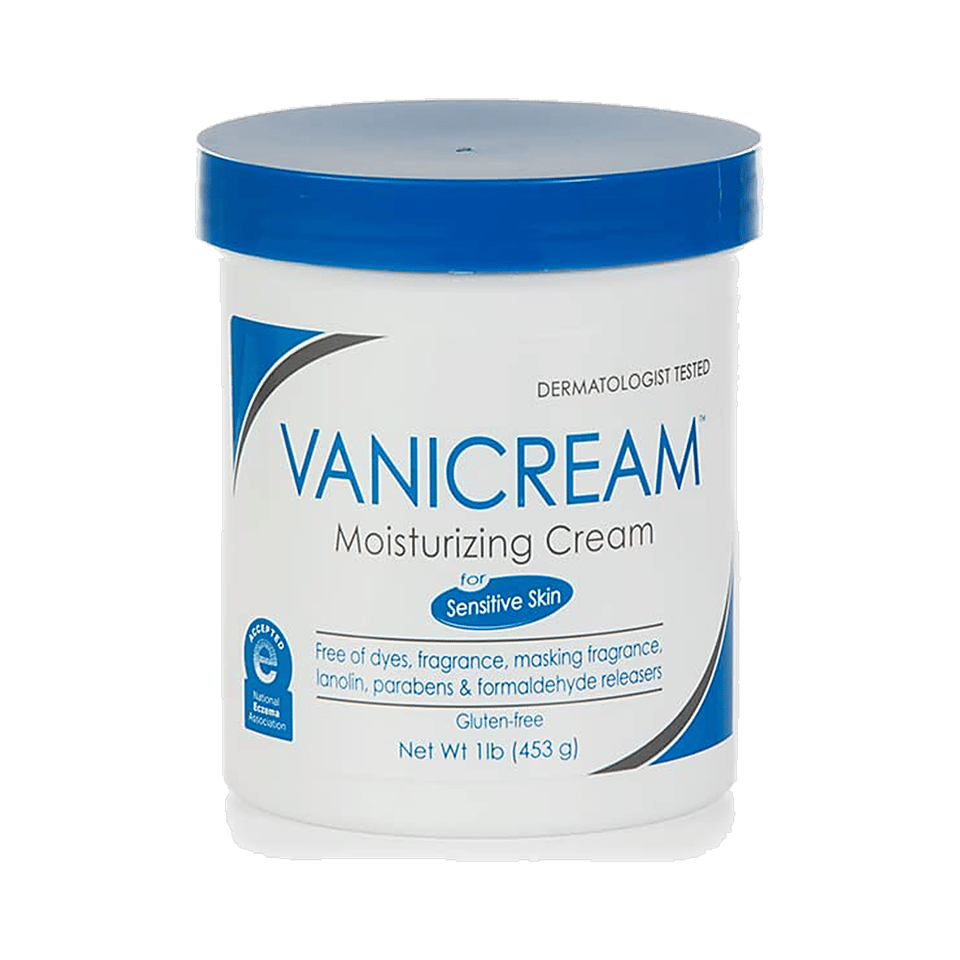
Gentle cleanser, one bland moisturizer, sunscreen. No acids, no retinoids, no vitamin C, no scrubs, no clay masks. Most compromised barriers settle noticeably within two weeks on this alone.
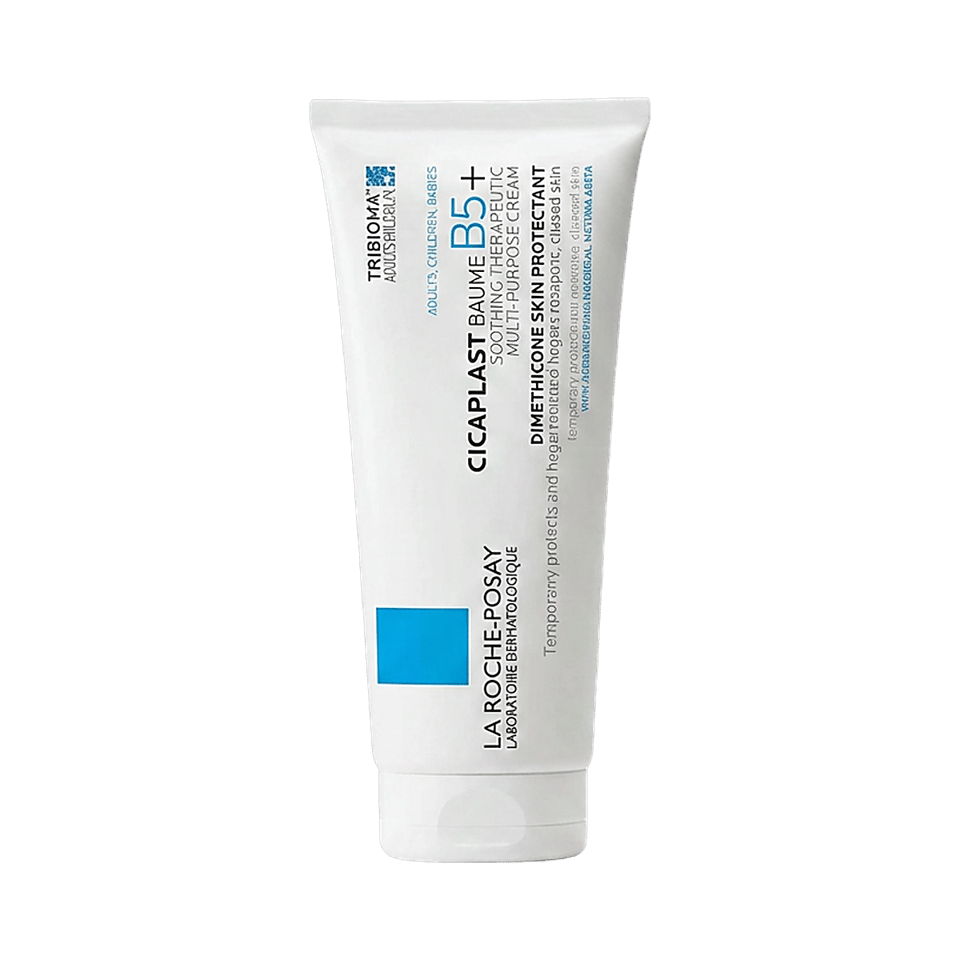
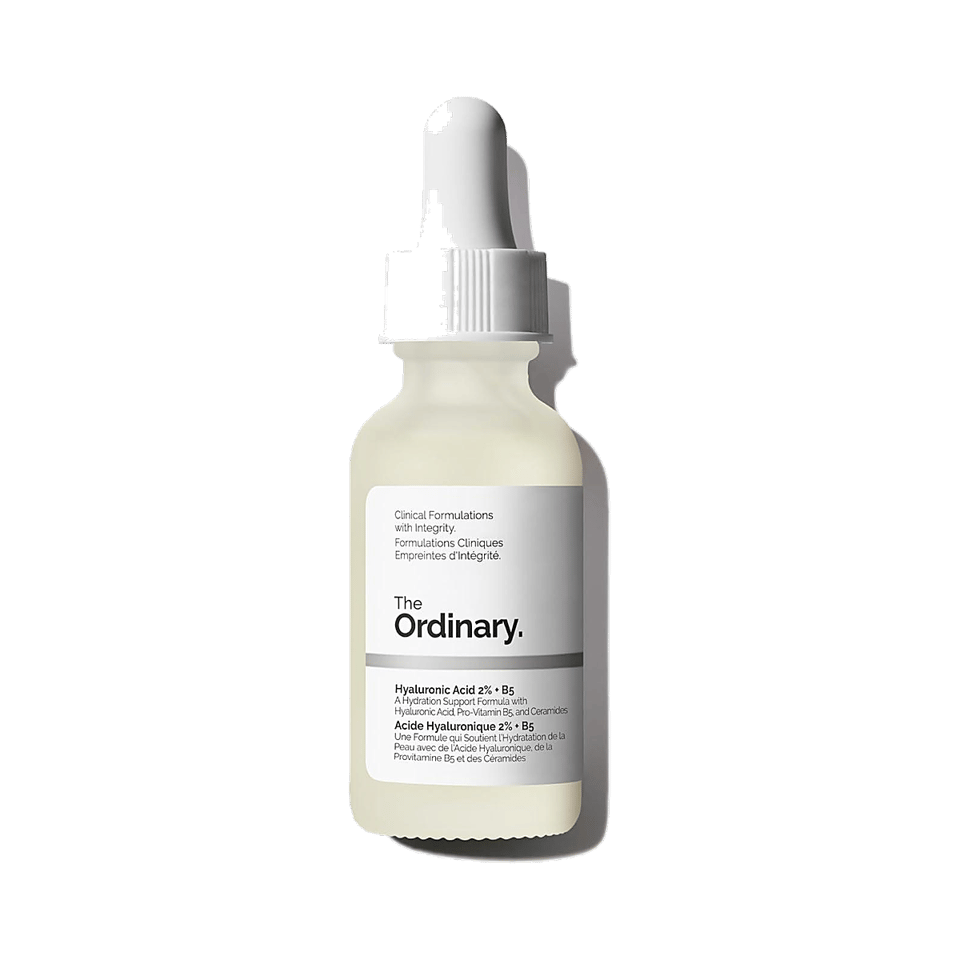
Rebuild with ceramides and panthenol
Look for ceramides, glycerin, panthenol, squalane, or centella on the ingredient list. These support the lipid layer instead of adding another active for it to cope with.
Reintroduce one product every two weeks
Add the retinoid or acid back at half the previous frequency and hold there for a fortnight before increasing. If irritation returns, you have found your ceiling — stay just below it.
Judge the routine on eight weeks, not eight days
Barrier comfort improves in days, texture in a month, pigmentation and fine lines in three months or more. Changing products every fortnight guarantees you never see the result of any of them.