Glow guide
A brightening routine for dull, tired skin
This page contains affiliate links. As an Amazon Associate I earn from qualifying purchases.
Dullness is usually light, not pigment. A build-up of dead cells scatters light instead of reflecting it, and dehydrated skin makes it worse. Smooth the surface, saturate it with water, and brighten tone — glow follows.
If your main goal is a smooth, light-reflecting finish, follow the glass skin routine for a hydration-first approach to the same problem. Glass skin routine.
Written by Maria Alejandra, founder and editor · Last updated:
Independently researched and reviewed for accuracy. Read our editorial policy or how we research routines.
Disclaimer: Content on Lumen Ritual is for educational and cosmetic purposes only. Our routine builders are not replacements for professional medical diagnoses or dermatologist-prescribed treatment plans. Read the full policy
The short answer
Dull skin is usually dehydration plus slow cell turnover. Hydrate with a humectant serum, exfoliate with a gentle AHA two or three nights a week, use vitamin C in the morning, and protect with SPF. Visible brightness usually returns within four to six weeks.
Key takeaways
- Dull skin is usually dehydration plus slow cell turnover rather than pigment, so hydration and gentle exfoliation come first.
- A gentle AHA used two or three nights a week smooths the surface so it reflects light instead of scattering it.
- Vitamin C in the morning brightens overall tone and works alongside SPF for dull skin.
- Brightness from an exfoliation-and-hydration routine usually returns within four to six weeks.
What brings glow back
Radiance comes from a smooth, hydrated, evenly toned surface. Three levers control all three:
Exfoliate gently
Lactic or mandelic acid two to three times a week clears the dead-cell layer that dulls reflection.
Brighten tone
Vitamin C and niacinamide typically fade uneven pigment and post-inflammatory marks over 8 to 12 weeks, with deeper pigment taking longer.
Saturate with hydration
Dehydrated skin looks gray. Humectants on damp skin, sealed with a moisturizer, restore bounce fast.
Signs your skin is just dull
- Skin looks flat or gray in daylight, especially by afternoon
- Rough, uneven texture that makeup sits on top of
- Lingering dark marks from old spots
- Tired appearance even after a full night of sleep
Morning ritual
AM routine for dullness
Mornings are for brightening and protection — the fastest visible change comes from this pairing.
- 1
Step 1: Cleanse
A creamy or gel cleanser; avoid anything that leaves skin squeaky.
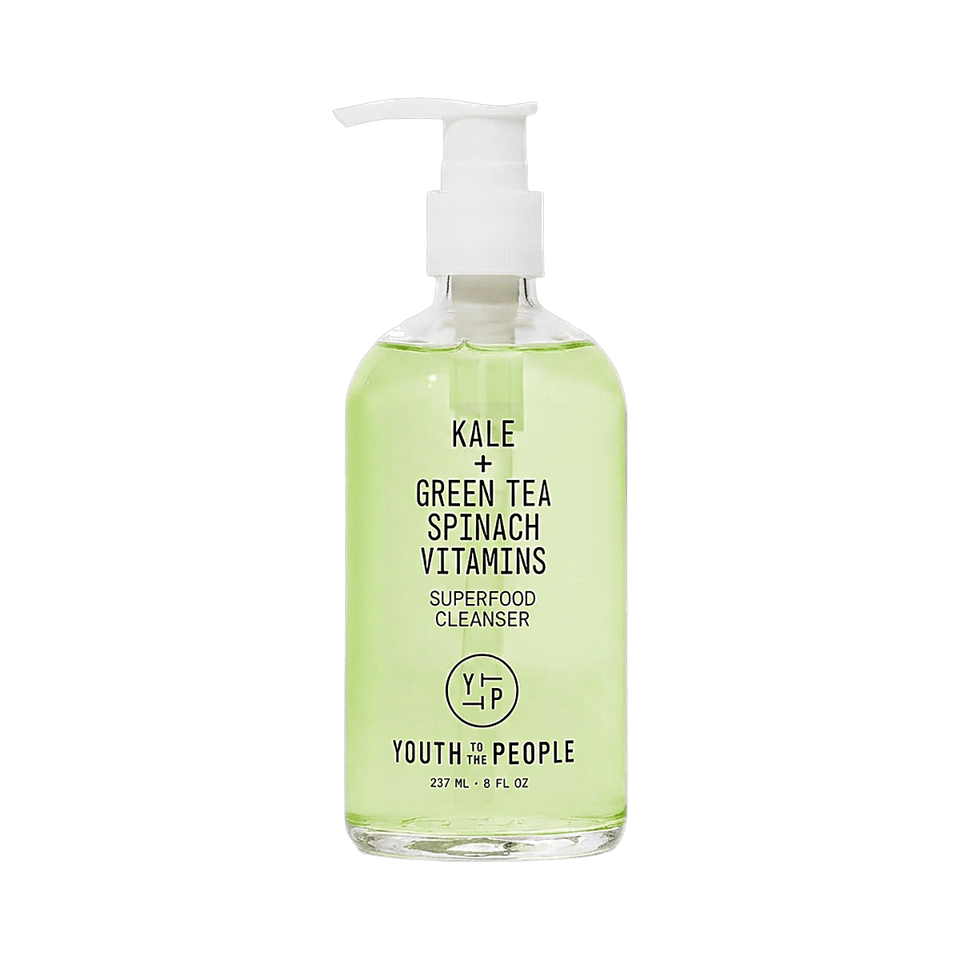
What I use for this stepYouth To The People Superfood Cleanser
Affiliate link — we may earn a commission, at no extra cost to you.Check price on Amazon → - 2
Step 2: Brighten
Vitamin C serum to even tone and add immediate luminosity.
What I use for this stepTimeless 20% Vitamin C + E Ferulic Serum
Affiliate link — we may earn a commission, at no extra cost to you.Check price on Amazon →Read the full breakdown - 3
Step 3: Hydrate
Apply a lightweight hydrating moisturizer on damp skin — the fastest way to restore surface bounce.
What I use for this stepBelif The True Cream Aqua Bomb
Affiliate link — we may earn a commission, at no extra cost to you.Check price on Amazon → - 4
Step 4: Moisturize
A light, dewy moisturizer to lock hydration into the surface layer.
What I use for this stepBelif The True Cream Aqua Bomb
Affiliate link — we may earn a commission, at no extra cost to you.Check price on Amazon → - 5
Step 5: Protect
SPF 30+ daily. Without it, brightening actives cannot outrun new pigment.
What I use for this stepBeauty of Joseon Relief Sun: Rice + Probiotics SPF 50+
Affiliate link — we may earn a commission, at no extra cost to you.Check price on Amazon →Read the full breakdown
The Ritual Lab checks that vitamin C sits in the morning and that your acids are not fighting it. The Quiz is if you are starting from zero. The Ritual Lab is if the bottles are already there. Open The Ritual Lab
A Lumen Ritual workspace · built with Grok
Evening ritual
PM routine for dullness
Evenings resurface. Rotate exfoliation and retinol rather than stacking them on the same night.
- 1
Step 1: Double cleanse
Oil or balm to remove SPF and pollution particles, then your regular cleanser.
- 2
Step 2: Exfoliate
Lactic acid or a PHA two to three nights a week to clear dead-cell build-up.
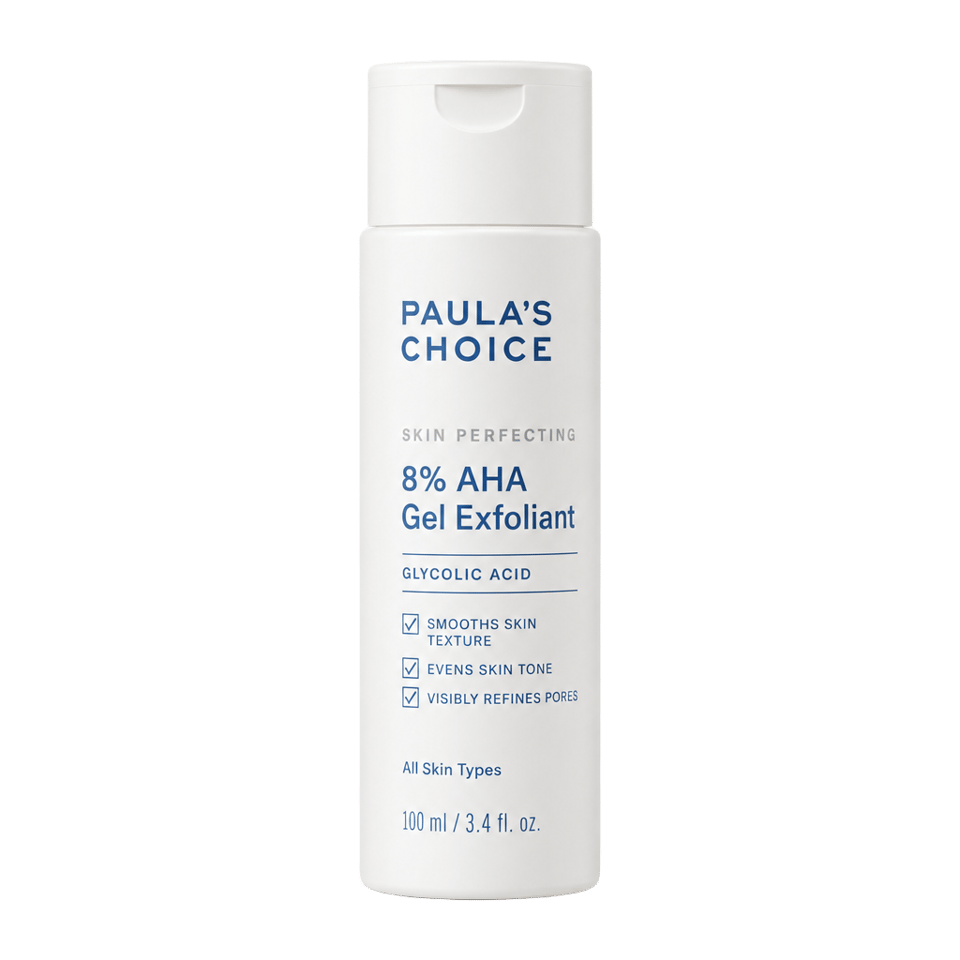
What I use for this stepPaula's Choice SKIN PERFECTING 8% AHA Gel Exfoliant
Affiliate link — we may earn a commission, at no extra cost to you.Check price on Amazon → - 3
Step 3: Treat
Use your vitamin C serum on non-exfoliating nights for a consistent brightening step.
What I use for this stepTimeless 20% Vitamin C + E Ferulic Serum
Affiliate link — we may earn a commission, at no extra cost to you.Check price on Amazon →Read the full breakdown - 4
Step 4: Hydrate
Layer a hydrating essence or serum while skin is still damp.
- 5
Step 5: Seal
A nourishing night cream so you wake up plumped rather than tight.
What I use for this stepBelif The True Cream Aqua Bomb
Affiliate link — we may earn a commission, at no extra cost to you.Check price on Amazon →
Ingredients that restore radiance
Vitamin C
Brightens tone and defends against dulling free-radical damage.
Lactic acid (AHA)
Gentle resurfacing that smooths the light-scattering dead-cell layer.
Niacinamide
Evens tone, fades marks, strengthens the barrier.
Hyaluronic acid
Plumps dehydrated skin so it reflects light instead of absorbing it.
What makes dullness worse
- Over-exfoliating in pursuit of glow, which inflames and greys the skin
- Skipping sunscreen while using brightening actives
- Treating dehydration with oils only, without any water-binding humectants
- Harsh foaming cleansers that strip the barrier every morning
- Expecting overnight results from pigment-fading ingredients
Cost, timeline and when to get help
- What it costs
- A gentle exfoliant, vitamin C serum, moisturizer and SPF are mid-range to premium and last about three months.
- How long it takes
- Brightness typically improves within two to four weeks; even tone across the whole face takes eight to twelve weeks.
- When to see a dermatologist
- See a dermatologist if dullness comes with unusual fatigue, yellowing skin or slow-healing spots, since those can reflect health issues beyond skincare.
What to use for dullness
- CleanserBest overall
Youth To The People Superfood Cleanser
Removes the day's grime and residue thoroughly, so light reflects off skin rather than a film sitting on it.
 Affiliate link — we may earn a commission, at no extra cost to you.Check price on Amazon →
Why this one for you: Youth To The People Superfood Cleanser suits this step.
Removes the day's grime and residue thoroughly, so light reflects off skin rather than a film sitting on it. - CleanserBudget pick
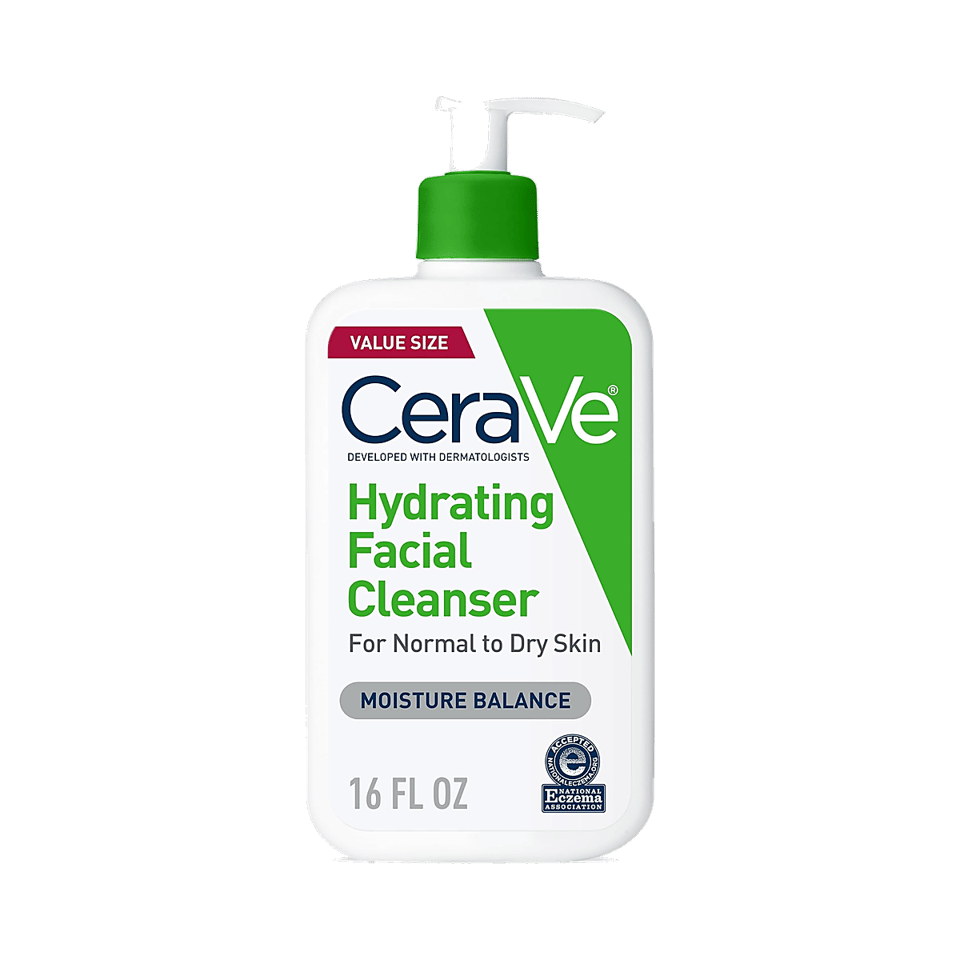
CeraVe Hydrating Facial Cleanser
A gentle daily wash that will not over-strip while an exfoliant is doing the brightening work.
 Affiliate link — we may earn a commission, at no extra cost to you.Check price on Amazon →
Why this one for you: CeraVe Hydrating Facial Cleanser suits this step.
A gentle daily wash that will not over-strip while an exfoliant is doing the brightening work. - ExfoliantBest overall
Paula's Choice SKIN PERFECTING 8% AHA Gel Exfoliant
Glycolic exfoliation twice a week clears the dead-cell layer that scatters light and makes skin look gray.
 Affiliate link — we may earn a commission, at no extra cost to you.Check price on Amazon →
Why this one for you: Paula's Choice SKIN PERFECTING 8% AHA Gel Exfoliant suits this step.
Glycolic exfoliation twice a week clears the dead-cell layer that scatters light and makes skin look gray. - ExfoliantBudget pick
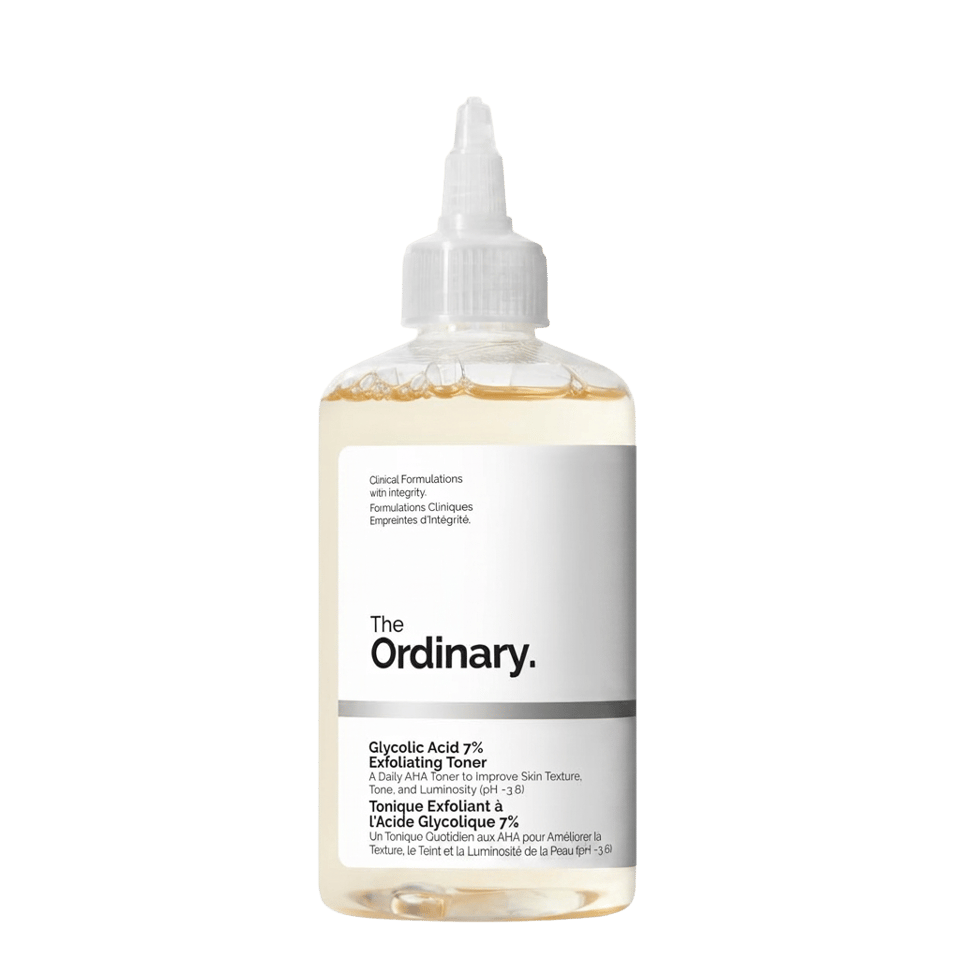
The Ordinary Glycolic Acid 7% Toning Solution
The cheapest reliable AHA; a large bottle that lasts months at two nights a week.
 Affiliate link — we may earn a commission, at no extra cost to you.Check price on Amazon →Read the full breakdown
Why this one for you: The Ordinary Glycolic Acid 7% Toning Solution suits this step.
The cheapest reliable AHA; a large bottle that lasts months at two nights a week. - SerumBest overall
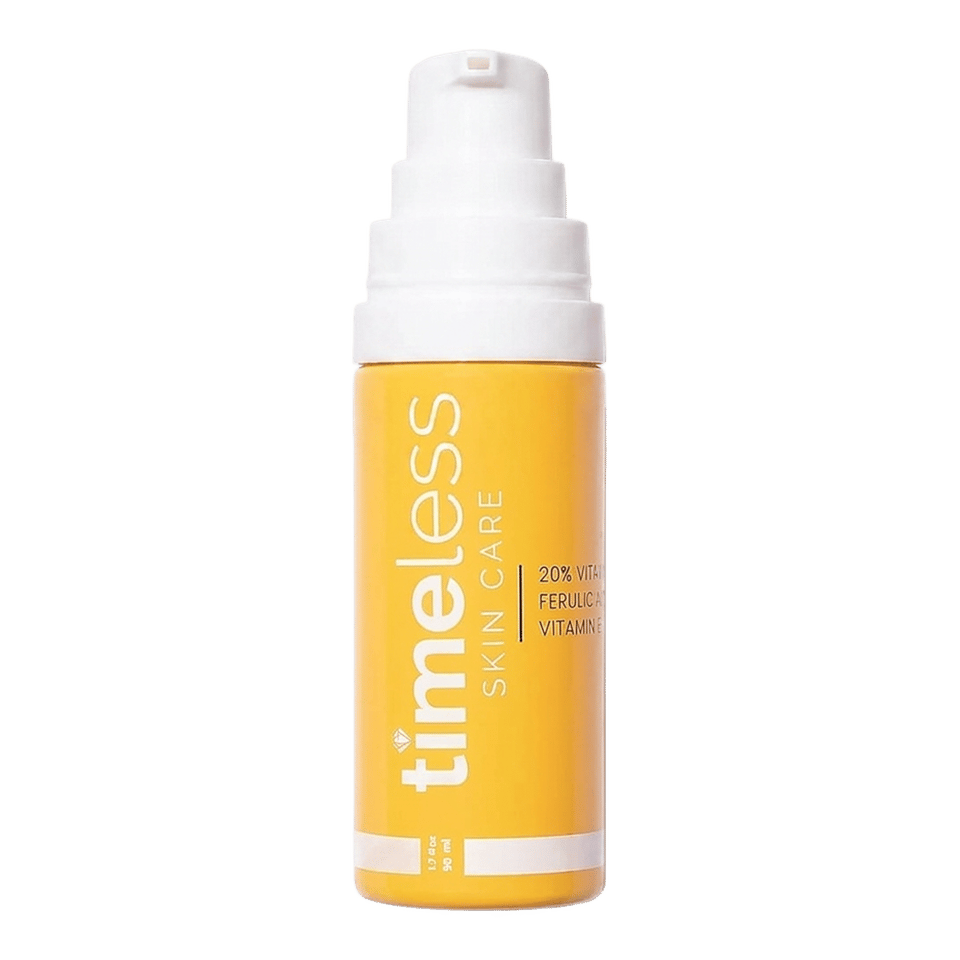
Timeless 20% Vitamin C + E Ferulic Serum
Vitamin C is the fastest visible route to brightness — most people see it inside four weeks of daily use.
 Affiliate link — we may earn a commission, at no extra cost to you.Check price on Amazon →Read the full breakdown
Why this one for you: Timeless 20% Vitamin C + E Ferulic Serum suits this step.
Vitamin C is the fastest visible route to brightness — most people see it inside four weeks of daily use. - SerumBudget pick
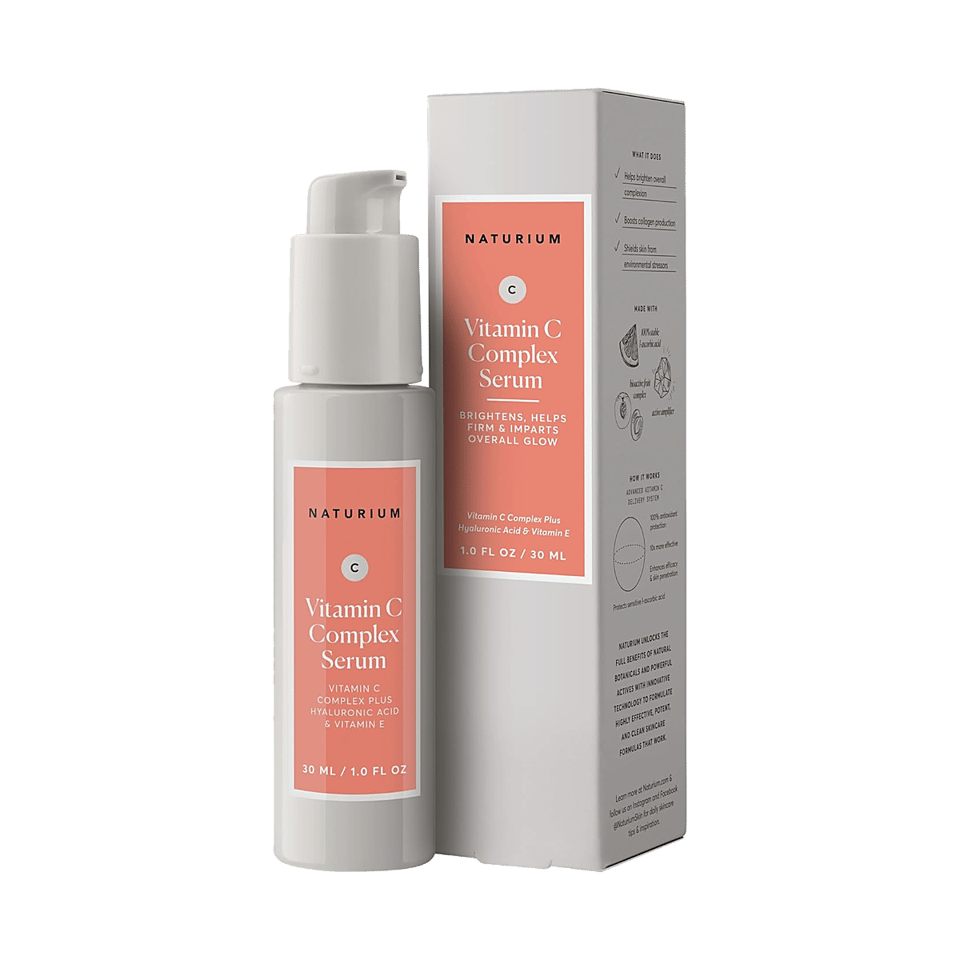
Naturium Vitamin C Complex Serum
A stable, low-sting vitamin C for anyone whose skin objects to a 20% L-ascorbic formula.
 Affiliate link — we may earn a commission, at no extra cost to you.Check price on Amazon →
Why this one for you: Naturium Vitamin C Complex Serum suits this step.
A stable, low-sting vitamin C for anyone whose skin objects to a 20% L-ascorbic formula. - MoisturizerBest overall
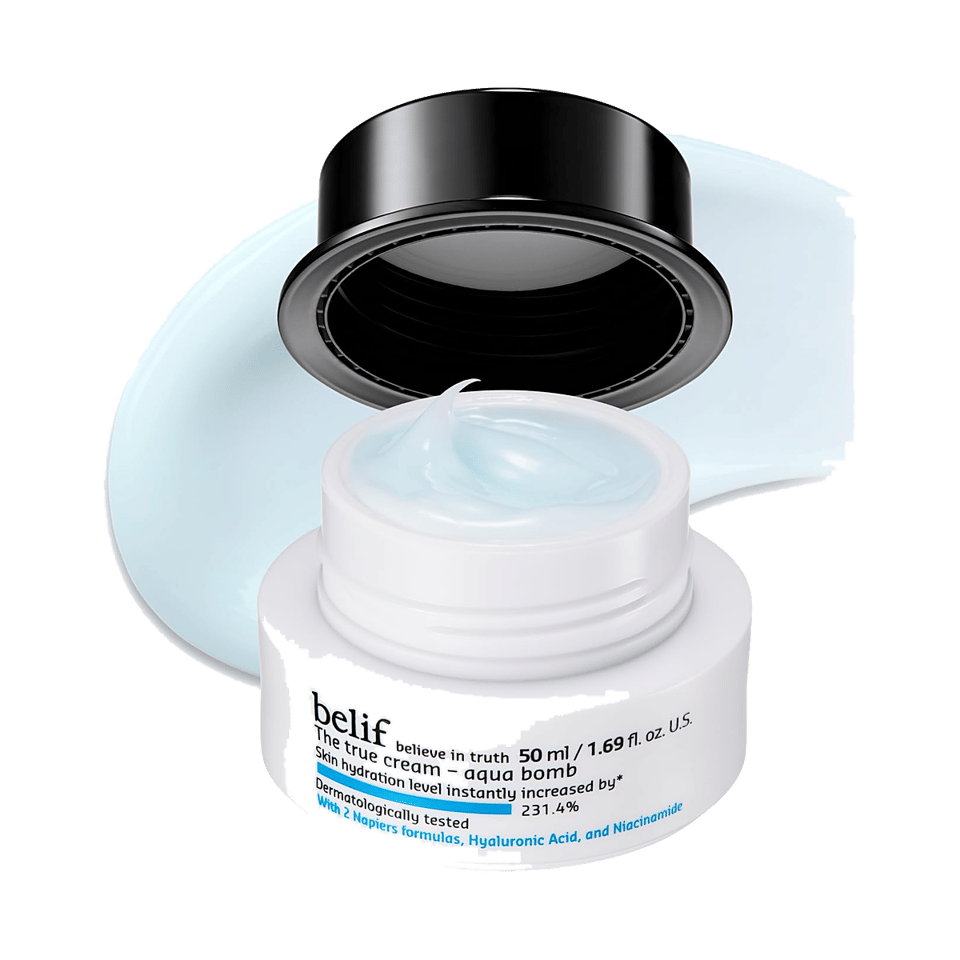
Belif The True Cream Aqua Bomb
Plumps the surface with water, which is what makes skin look luminous rather than flat.
 Affiliate link — we may earn a commission, at no extra cost to you.Check price on Amazon →
Why this one for you: Belif The True Cream Aqua Bomb suits this step.
Plumps the surface with water, which is what makes skin look luminous rather than flat. - MoisturizerBudget pick
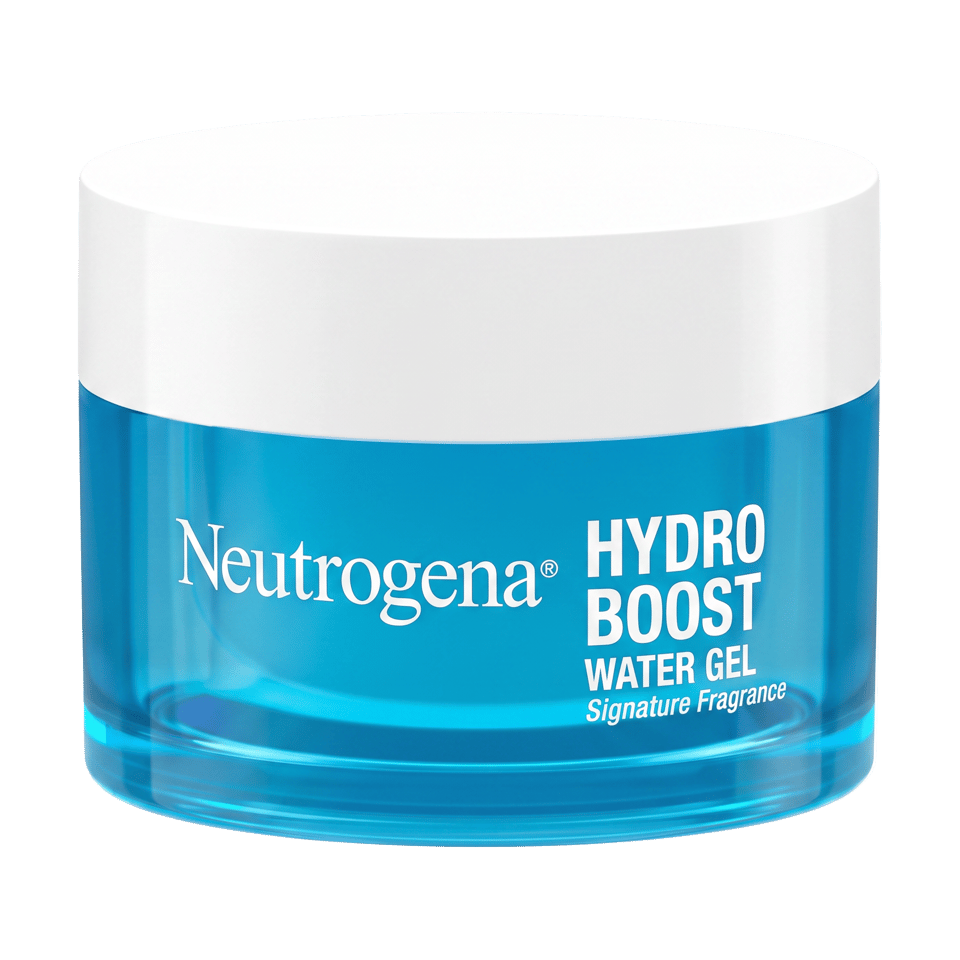
Neutrogena Hydro Boost Water Gel
The same bounce-and-glow effect from hyaluronic acid at a drugstore price.
 Affiliate link — we may earn a commission, at no extra cost to you.Check price on Amazon →Read the full breakdown
Why this one for you: Neutrogena Hydro Boost Water Gel suits this step.
The same bounce-and-glow effect from hyaluronic acid at a drugstore price. - SunscreenBest overallKorean Beauty
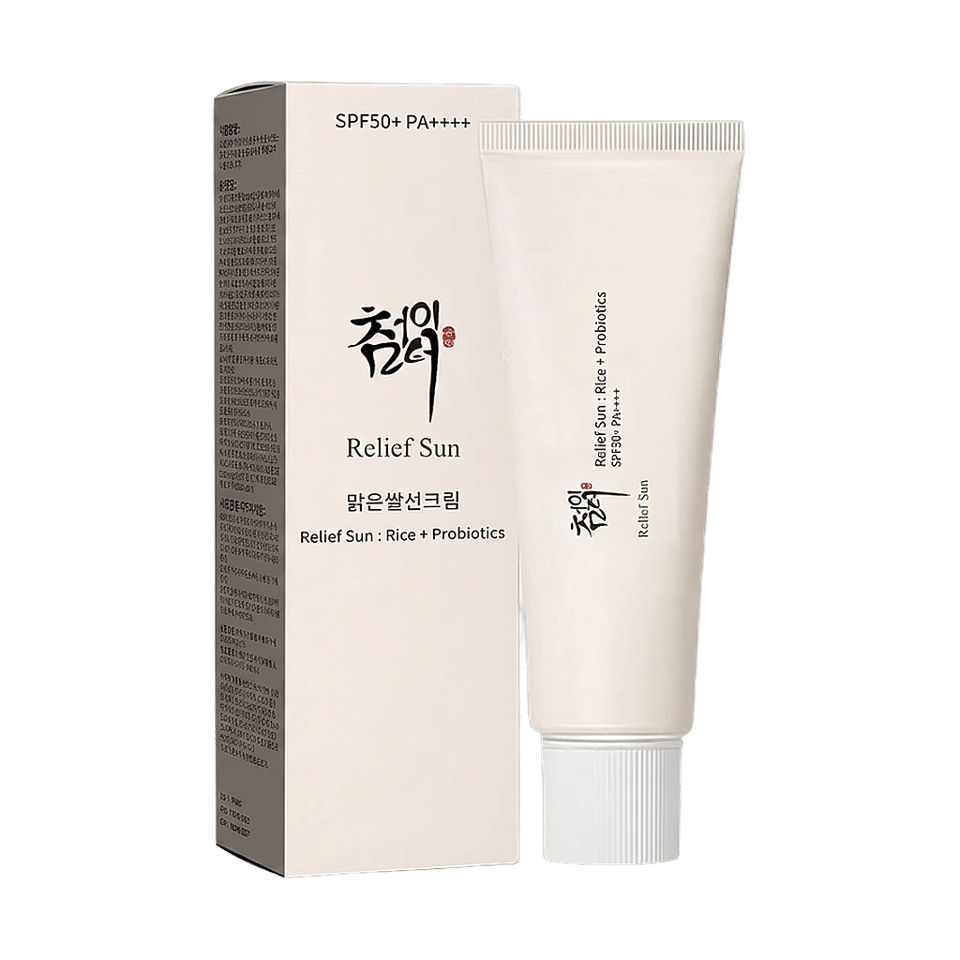
Beauty of Joseon Relief Sun: Rice + Probiotics SPF 50+
A dewy-finish SPF that adds glow rather than flattening it, with no white cast.
 Affiliate link — we may earn a commission, at no extra cost to you.Check price on Amazon →Read the full breakdown
Why this one for you: Beauty of Joseon Relief Sun: Rice + Probiotics SPF 50+ suits this step.
A dewy-finish SPF that adds glow rather than flattening it, with no white cast. - SunscreenBudget pick
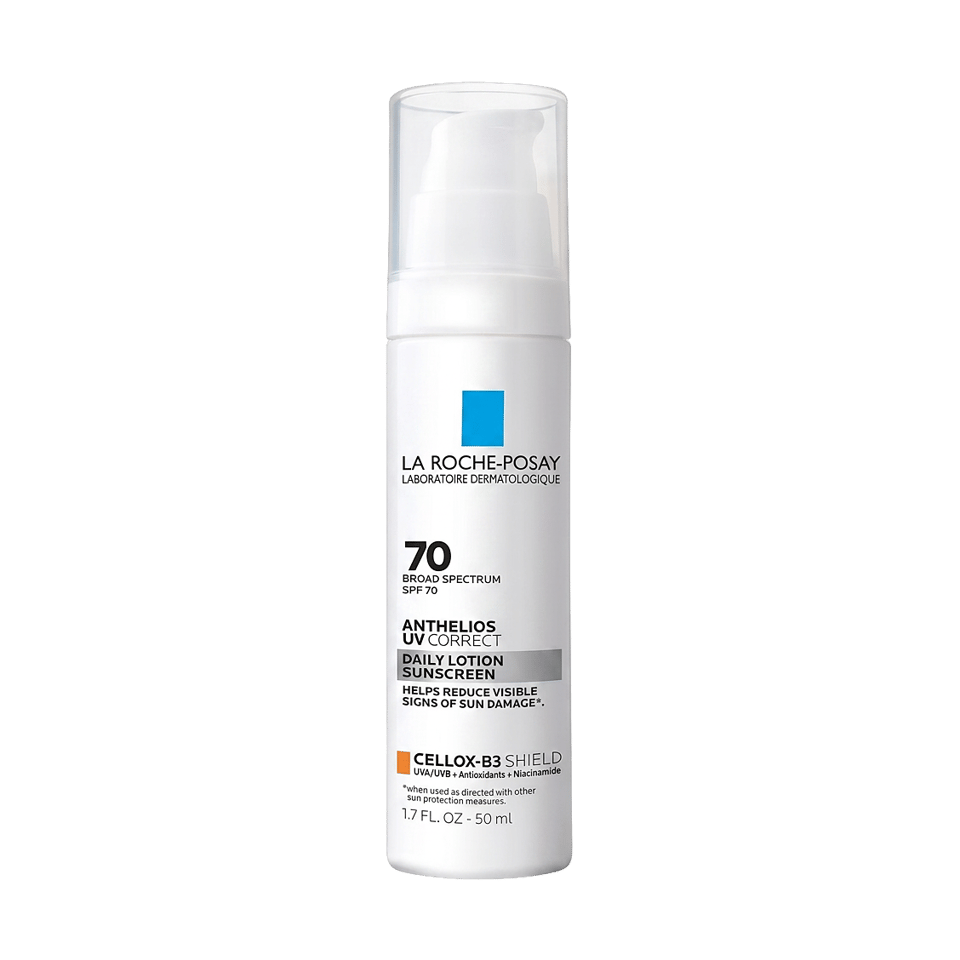
La Roche-Posay Anthelios UV Correct SPF 70
Prevents the new pigment and sallowness that undo every brightening product you own.
 Affiliate link — we may earn a commission, at no extra cost to you.Check price on Amazon →
Why this one for you: La Roche-Posay Anthelios UV Correct SPF 70 suits this step.
Prevents the new pigment and sallowness that undo every brightening product you own.
Dullness questions, answered
- Why does my skin look dull even though I moisturize?
- Moisturizer seals water in but does not add it, and it does not remove dead-cell build-up. Pair a humectant serum on damp skin with gentle weekly exfoliation.
- How often should I exfoliate for glow?
- Two to three times a week with a chemical exfoliant is enough for most skin. More than that damages the barrier and makes dullness worse.
- What is the fastest way to brighten skin?
- Hydration gives visible glow within days. Vitamin C often shows in two to four weeks, and pigment usually evens out over 8 to 12 weeks with daily SPF — longer for deeper marks.
- Can lifestyle cause dull skin?
- Yes. Poor sleep, dehydration, smoking, and high sun exposure all reduce radiance, and no topical fully compensates for them.
Keep reading
Acne routine
Breakouts start inside the pore: excess oil, sticky dead skin cells, and C. acnes bacteria. A routine that helps keep breakouts under control keeps pores open with a consistent active, calms inflammation, and never strips the barrier — because irritated skin breaks out more.
Anti-aging routine
Roughly 80% of visible facial aging is caused by UV exposure, not time. That makes the routine simple in principle: protect during the day, stimulate collagen at night, and keep the barrier hydrated so lines look softer immediately.
Glass skin routine
Glass skin is a surface condition, not a product. Layer water into damp skin, seal it with a barrier cream, exfoliate gently once or twice a week, and light reflects evenly instead of scattering.
Hyperpigmentation routine
Hyperpigmentation is excess melanin left behind after inflammation, hormones, or UV exposure. Fading it takes two things in parallel: an ingredient that slows new pigment production, and sunscreen that stops the spot being re-triggered every day. Everything else is optional.
Rosacea routine
Rosacea is a chronic inflammatory condition, not a hygiene problem. Skin that flushes easily has a weakened barrier and reactive blood vessels, so the routine that helps is short, fragrance-free, and consistent. Fewer, gentler steps almost always beat a longer regimen.
Men's skincare routine
Men's skin is measurably thicker, produces more sebum, and gets shaved several times a week. That combination means more shine, more ingrown hairs, and more razor irritation — but it also means a short, consistent routine works remarkably well. Four steps, twice a day, is enough.
Teen skincare routine
Teenage skin is going through a lot. Rising hormones send oil production into overdrive and pores clog more easily. A short, consistent routine with gentle cleansing and one pore-clearing active handles most of it.
Pregnancy-safe routine
Pregnancy brings breakouts, melasma, and new sensitivity just as retinoids come off the table. Azelaic acid, niacinamide, vitamin C, and tinted mineral SPF cover almost all of it safely.
Dark skin routine
Richly pigmented skin burns less but holds a mark far longer. Preventing inflammation matters more than any brightener: gentle actives, no scrubs, and a daily cast-free SPF stop dark marks and melasma before they start.
Fair skin routine
Fair skin has the least natural UV protection, so sun damage drives most visible aging. Protect hard by day, rebuild at night, and introduce actives slowly to avoid lasting redness.
Oily skin routine
Control shine and clear pores without stripping your barrier.
Dry skin routine
Rebuild a comfortable moisture barrier with layered hydration.
Combination skin routine
Balance an oily T-zone and drier cheeks with zone-aware layering.
Browse every skincare routine guide.
References and sources
Evidence reviewed: American Academy of Dermatology; Journal of Clinical and Aesthetic Dermatology (PMC); U.S. Food & Drug Administration. Last read in full August 2026 by Maria Alejandra.
Ingredient behavior, tested concentrations, and safety guidance come from the sources below. Which specific product we suggest, the order we put steps in, and how gently we ramp a routine up are our own editorial judgement — useful, but not clinical evidence, and never a substitute for a dermatologist who can see your skin.
- 1.Chemical peels: overview — American Academy of Dermatology
- 2.Topical vitamin C and the skin: mechanisms of action and clinical applications — Journal of Clinical and Aesthetic Dermatology (PMC)
- 3.Alpha hydroxy acids safety information — U.S. Food & Drug Administration