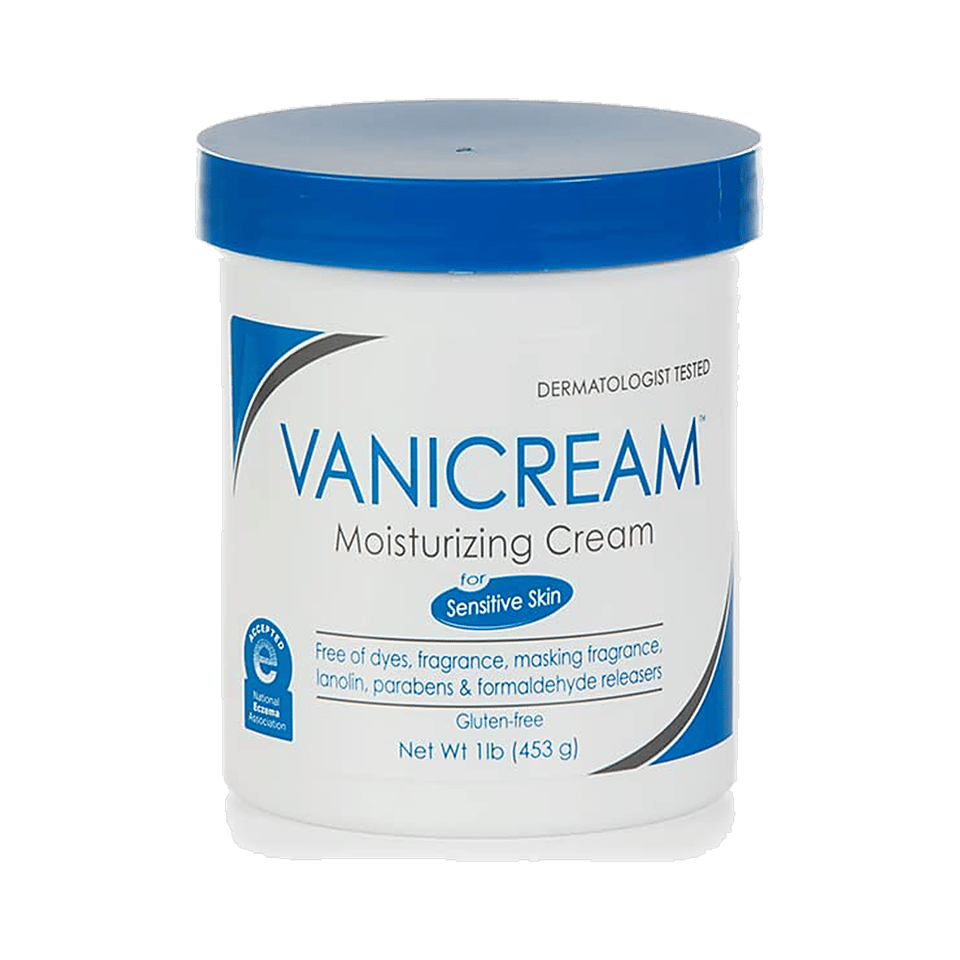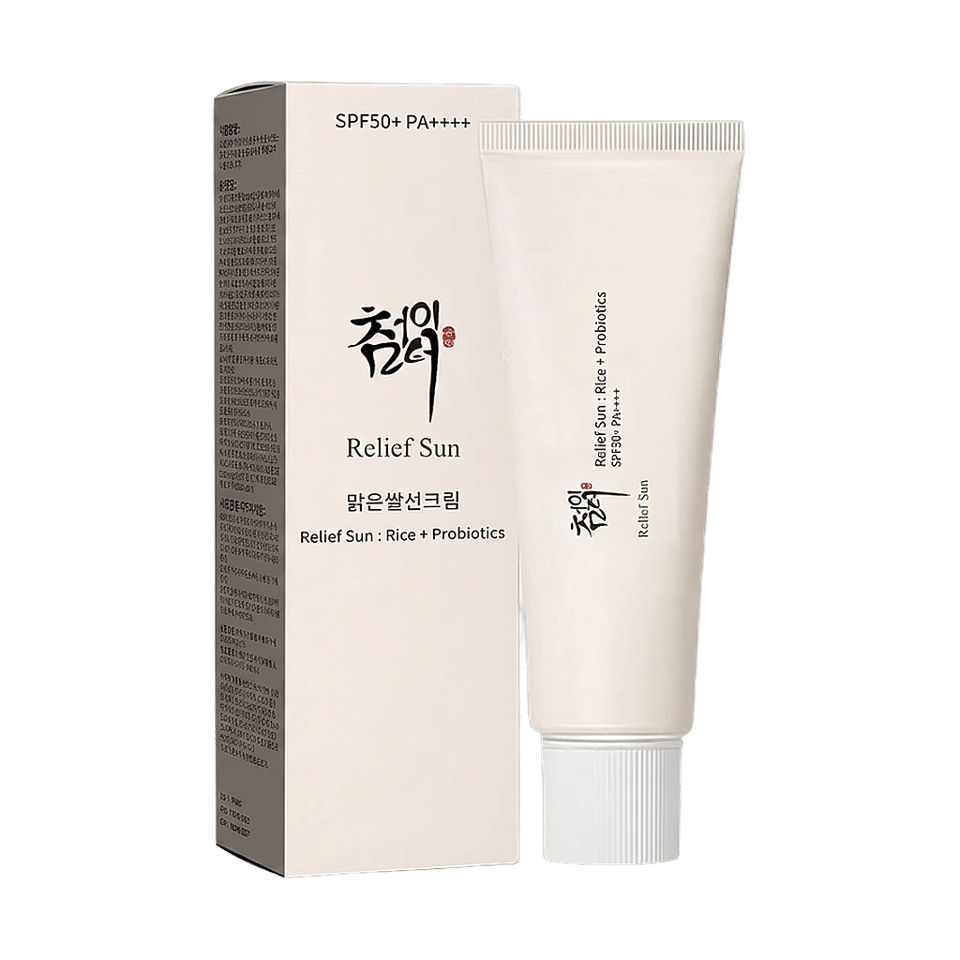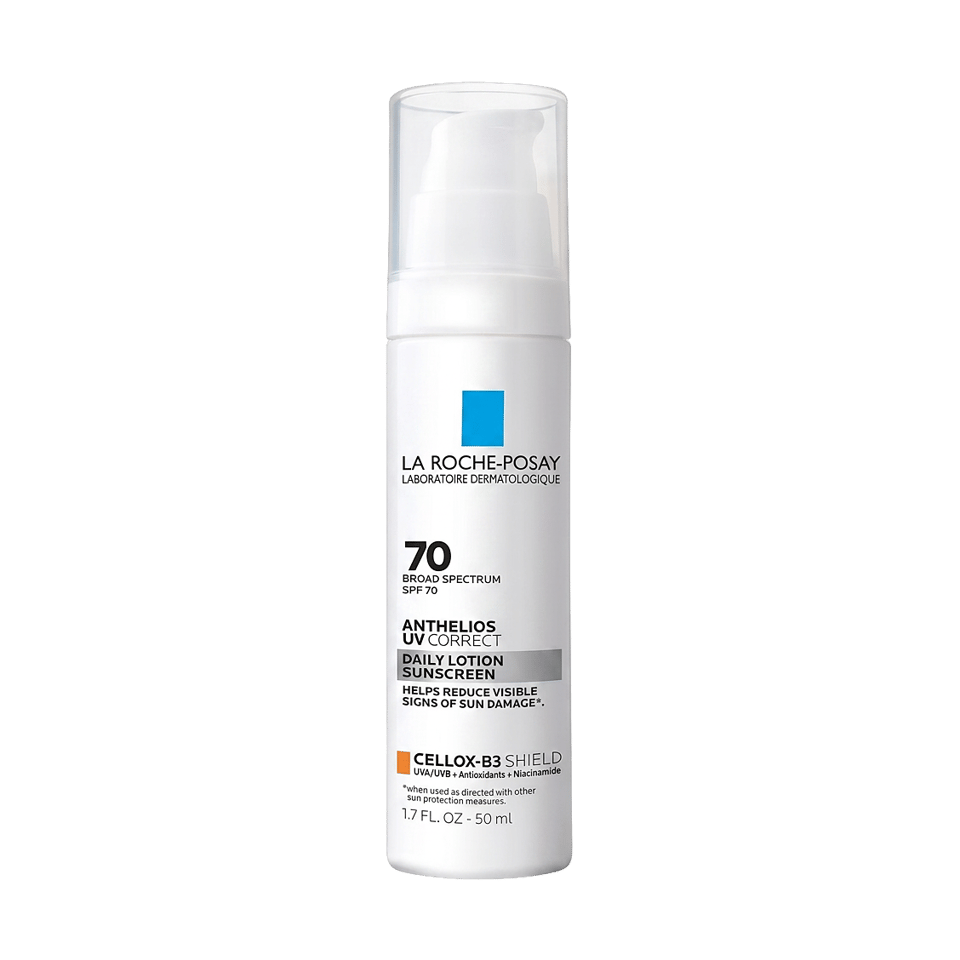
The 3-step core
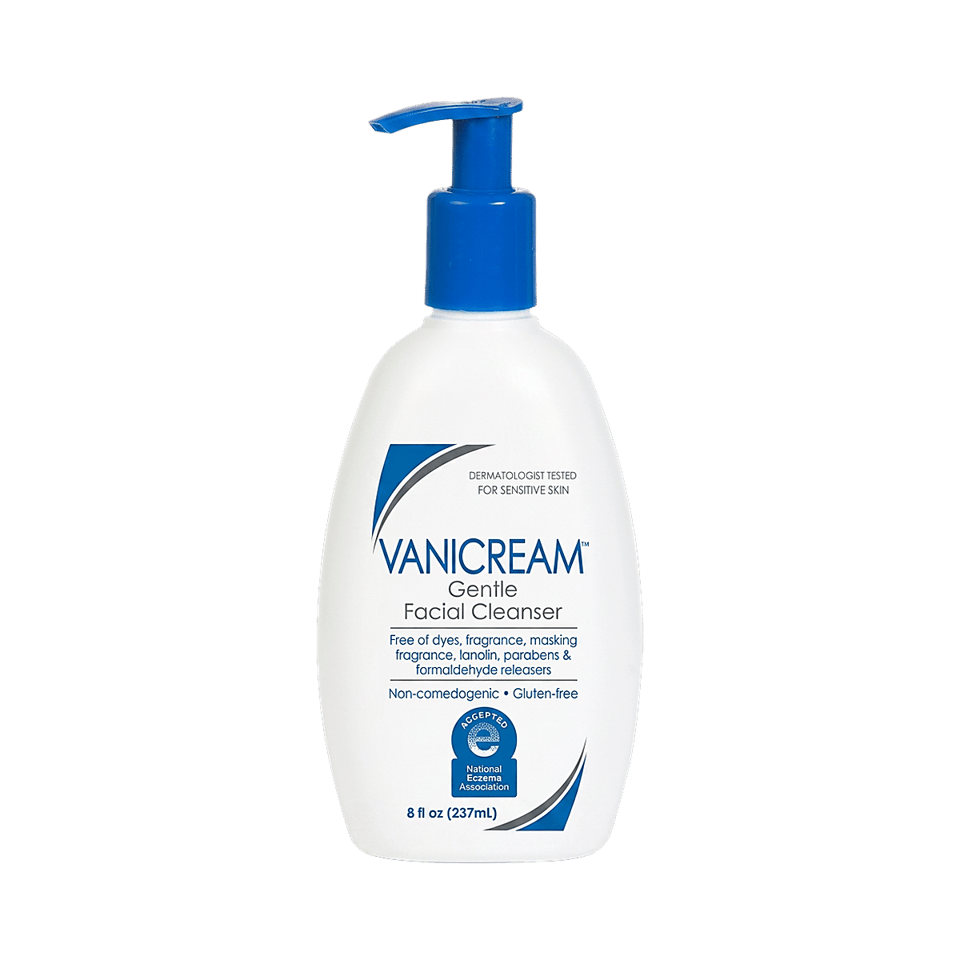
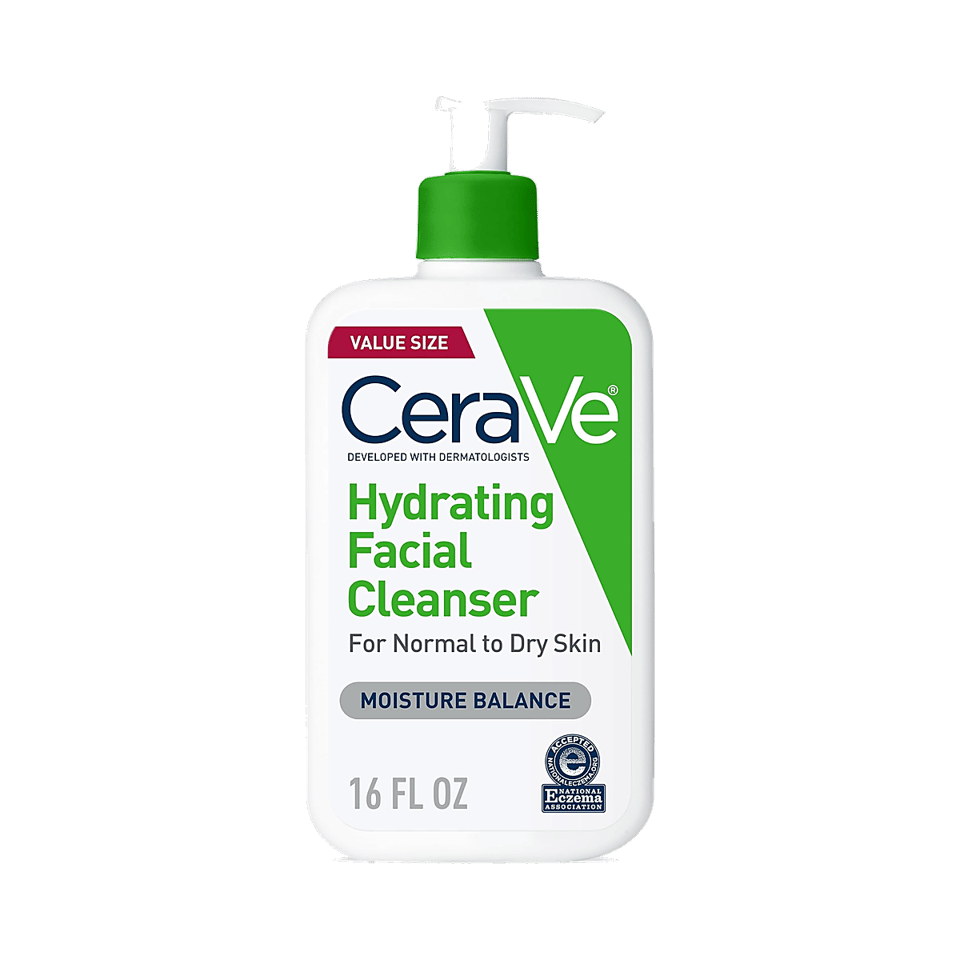
1. Cleanse — Morning: a splash of lukewarm water or a very gentle cleanser. Evening: a cleanser matched to your skin — gel or foaming for oily, cream or milk for dry and sensitive. This is the step that removes sunscreen, sebum, and pollution, so the evening wash matters more than the morning one.
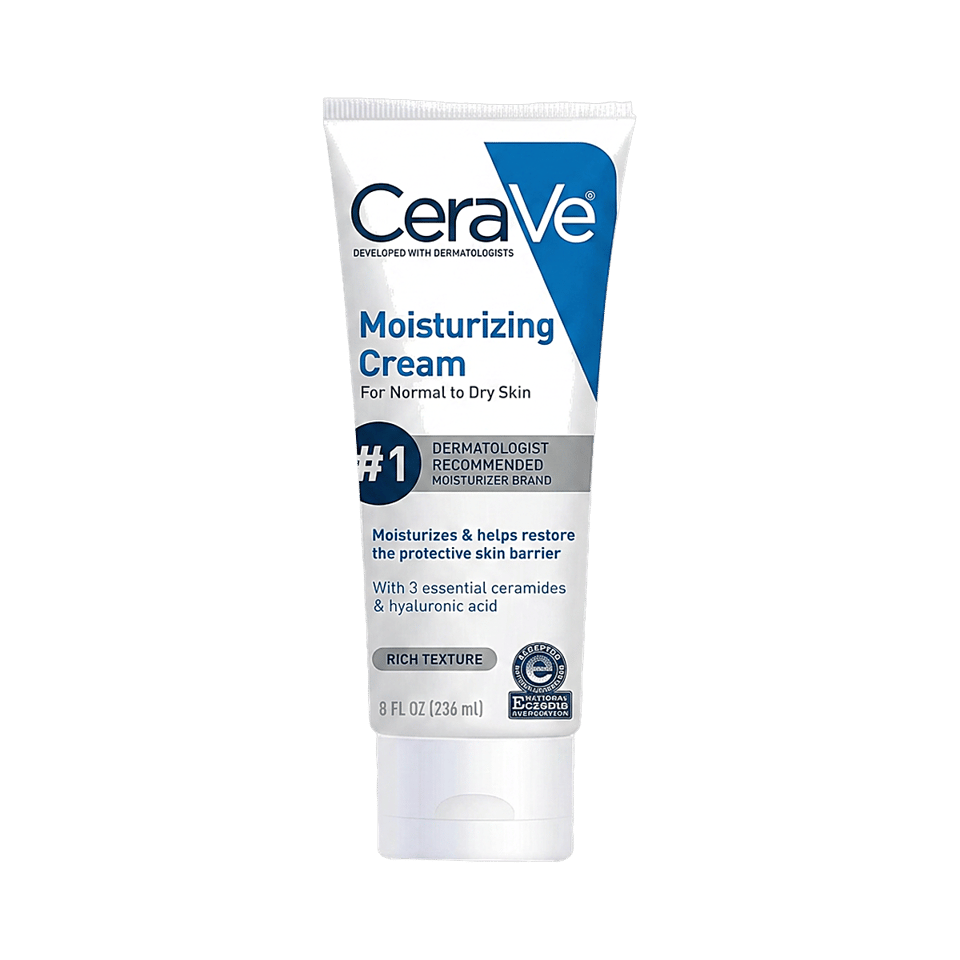
2. Moisturize — A moisturizer holds water in the skin and supports the barrier. Gel-cream for oily and combination skin, a ceramide-rich cream for dry and sensitive skin. Applied to slightly damp skin, it works noticeably better.
3. Protect — Broad-spectrum SPF 30 or higher, every morning, all year. This is the single highest-return step in skincare — it prevents pigment, protects collagen, and stops the damage every other product is trying to repair.
The 5-step upgrade
Once the core is habitual, two more steps earn their place. Add them one at a time, at least two weeks apart, so you can tell which one is helping.
4. A morning antioxidant — A vitamin C serum (10–15% L-ascorbic acid, or a gentler derivative for sensitive skin) applied under sunscreen brightens tone over a few months and adds a second layer of defense against UV-driven free radicals.
5. An evening active — Pick one target. Retinoid for lines and texture, salicylic acid for clogged pores, azelaic acid for redness and post-acne marks, or a gentle AHA for dullness. One active, two to three nights a week to start, building up as tolerated.
What you can safely cut
Toner
Modern cleansers do not leave skin alkaline, so a pH-correcting toner is optional. A hydrating essence is a nice texture step, not a necessity.
Separate eye cream
Most eye creams are lighter moisturizers in smaller jars. Taking your regular moisturizer gently around the orbital bone does the same job, unless you use a dedicated retinoid eye product.
Physical scrubs
Grainy scrubs with hard, irregular particles rub unevenly and can leave skin irritated and over-exfoliated. A chemical exfoliant once or twice a week is gentler and more even.
Multiple actives at once
Stacking retinol, AHA, BHA, and vitamin C is the fastest way to a damaged barrier. More actives do not compound benefits; they compound irritation.
The order that matters
Apply thinnest to thickest so nothing is blocked: cleanser, then any water-based serum, then treatment, then moisturizer, then last in the morning. At night, sunscreen is replaced by your moisturizer or a facial oil, which seals everything underneath.
Give each layer 30 to 60 seconds to absorb before the next. This is not a rule about efficacy so much as comfort — layering onto wet product causes pilling.
A realistic minimalist budget
A complete minimalist routine can be assembled for a mid-range total from drugstore brands, and each product lasts two to four months. Cleanser and moisturizer are the two places where inexpensive formulas perform close to premium ones. is where it pays to spend a little more, because the one you enjoy wearing is the one you will actually reapply.
Serums and are the only category where formulation genuinely varies, and even there, a well-made budget-friendly serum does what a premium one does.
How long before it works
Hydration and comfort improve within days. Texture and shine settle in two to four weeks. Acne, pigment, and fine lines run on the skin's own renewal cycle, so give any eight to twelve weeks of consistent use before deciding it has failed.
Resist the urge to add a product when week three looks unchanged. Adding is what turns a working three-step routine into an irritating seven-step one.

What three steps look like on each skin type
Oily and combination
A gel or light foaming cleanser at night, a lightweight gel moisturizer, and a fluid or gel sunscreen in the morning. The instinct with oily skin is to strip and skip moisturizer; that leaves skin dehydrated and uncomfortable without changing what drives sebum, which is why the minimalist version still keeps a hydrator in place.
Dry
A cream or oil-based cleanser, a ceramide-rich cream, and a moisturizing sunscreen. Three steps is often better for dry skin than seven, because fewer products means fewer surfactants and fewer chances to disrupt an already thin barrier.
Sensitive
A fragrance-free non-foaming cleanser, one bland barrier cream, and a mineral sunscreen. This is the routine dermatologists use as a reset, and for many people with reactive skin it is not a starting point but the finished routine.
Mature
The same three, with the fourth slot reserved for a retinoid two or three nights a week. Sunscreen matters more here than any serum you could add.
When to add a fourth and fifth step
Add a step only when you can name what it is for and how you will judge it. 'Everyone says I need a toner' is not a reason. 'My from old breakouts have not faded in six months' is, and it points to a specific fourth step — in the morning or at night — with a specific review date three months out.
The fourth step is almost always a treatment: a for lines and texture, for congestion, for dullness and pigmentation, or a hydrating serum if your moisturizer alone is not holding water. The fifth, if it ever arrives, is usually a second cleanser for evenings when you wore and makeup, or an eye cream if the skin there behaves differently from the rest of your face. Add one at a time, four weeks apart, so that when something improves or reacts you know exactly what caused it.
How to layer a short routine correctly
Apply from thinnest to thickest so each product can reach skin: watery serums first, lotions next, creams and balms last, and always last in the morning. Give a treatment thirty seconds to settle before the moisturizer goes on — not the mythical twenty minutes, just long enough that you are not diluting it.
Use enough of each. Most people under-apply moisturizer and dramatically under-apply ; a quarter teaspoon for the face and the same for the neck is the benchmark for SPF. A three-step routine only works if all three steps are doing their full job, which is largely a question of quantity rather than price.
What a minimalist routine actually costs
A complete, effective three-step routine sits comfortably between forty and sixty dollars, and each product lasts two to four months. That is roughly fifteen to twenty dollars a month for the whole thing — less than most people spend on a single mid-range serum that sits half-used in a drawer.
Spend unevenly on purpose. is where a slightly nicer formula changes behavior, because a texture you like is a texture you will wear daily. Moisturizer is worth a mid-range budget for and a formula. Cleanser is where to economize: it is rinsed off within a minute, and the drugstore options are genuinely excellent.