What sensitivity usually is — and what it is not
Most self-described sensitive skin is a barrier problem rather than an allergy. When the outermost layer is short on lipids or has been over-exfoliated, irritants and water pass through it far more easily than they should. The result is stinging from products that used to be fine, redness that flares with heat or wind, and a face that reacts to almost anything new. Rebuild the barrier and a surprising amount of that sensitivity fades.
True contact allergy is different: a reproducible, often delayed reaction to one specific ingredient, most commonly a fragrance component, a preservative, or a botanical extract. If you get the same reaction from the same product every single time, that is worth patch testing formally with a dermatologist rather than experimenting further at home.
Conditions like rosacea, eczema, and seborrheic dermatitis also present as sensitivity and need targeted care. Persistent central-face flushing with visible vessels, or scaly patches that keep returning in the same place, are worth a professional opinion. Nothing on this page is a substitute for that — but a gentle, minimal routine is the correct foundation in every one of those cases.
The elimination approach: strip back, then rebuild slowly
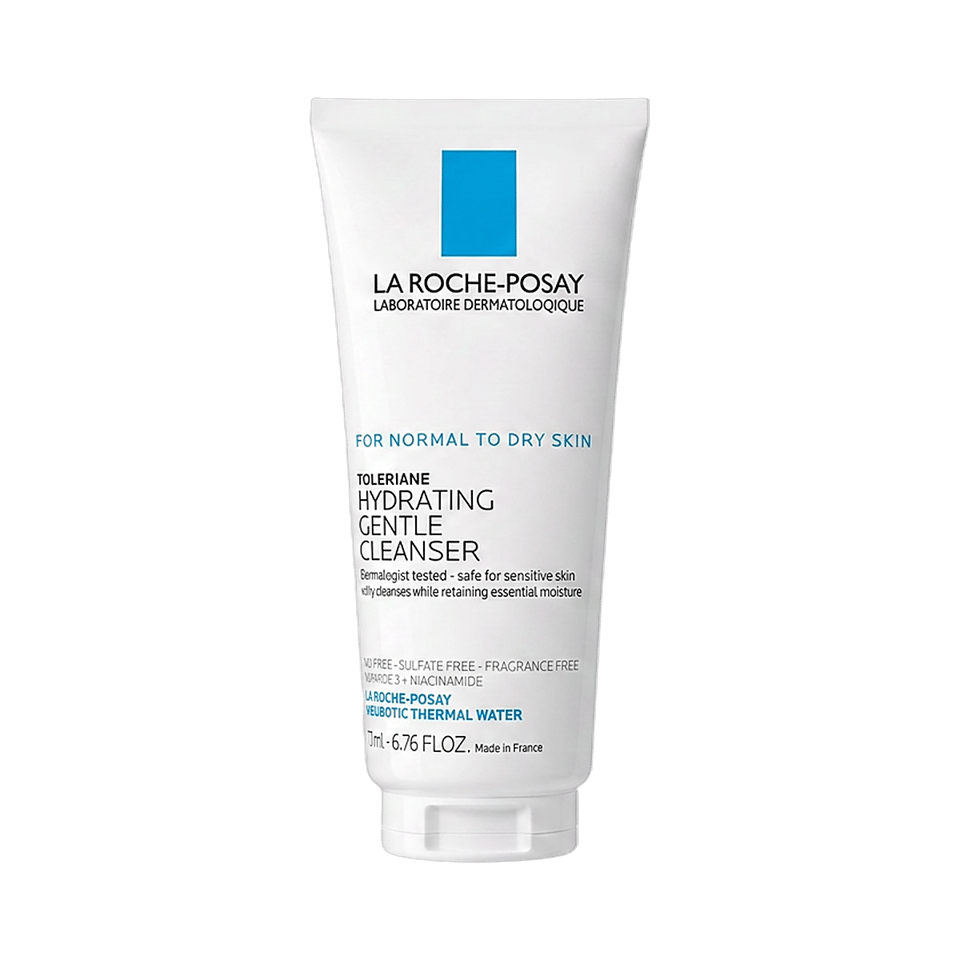
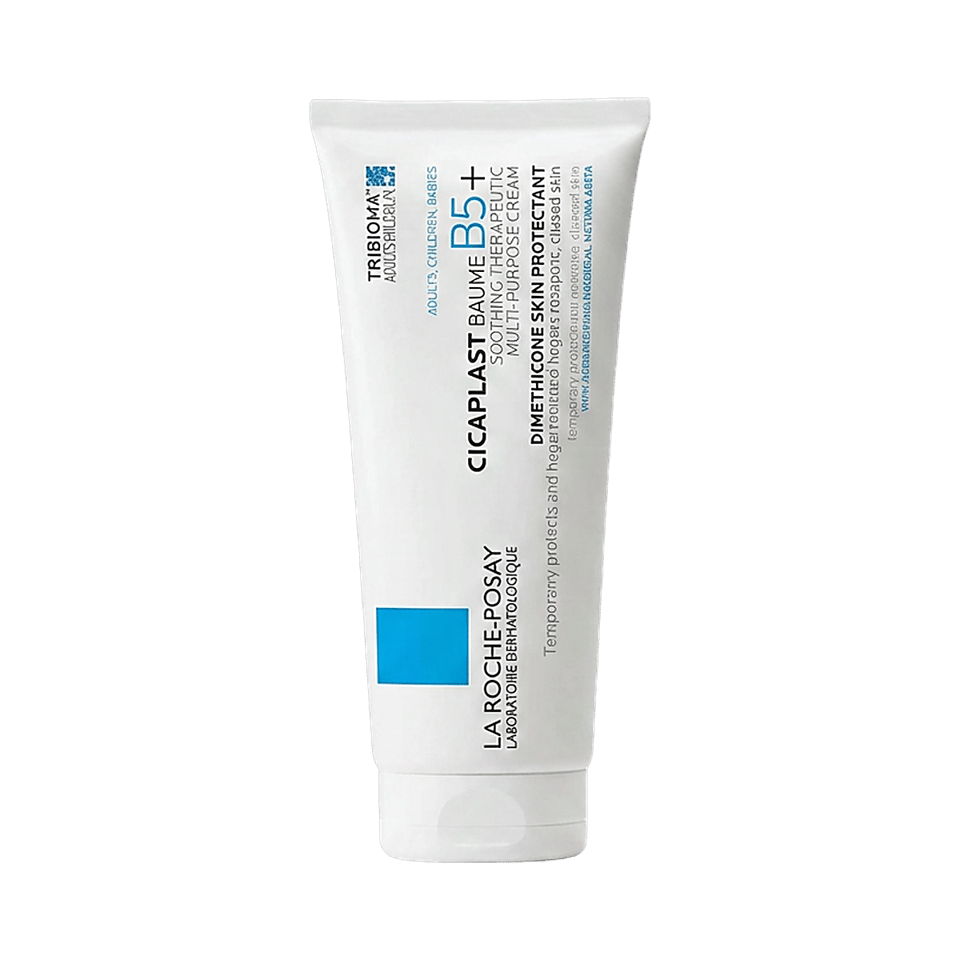
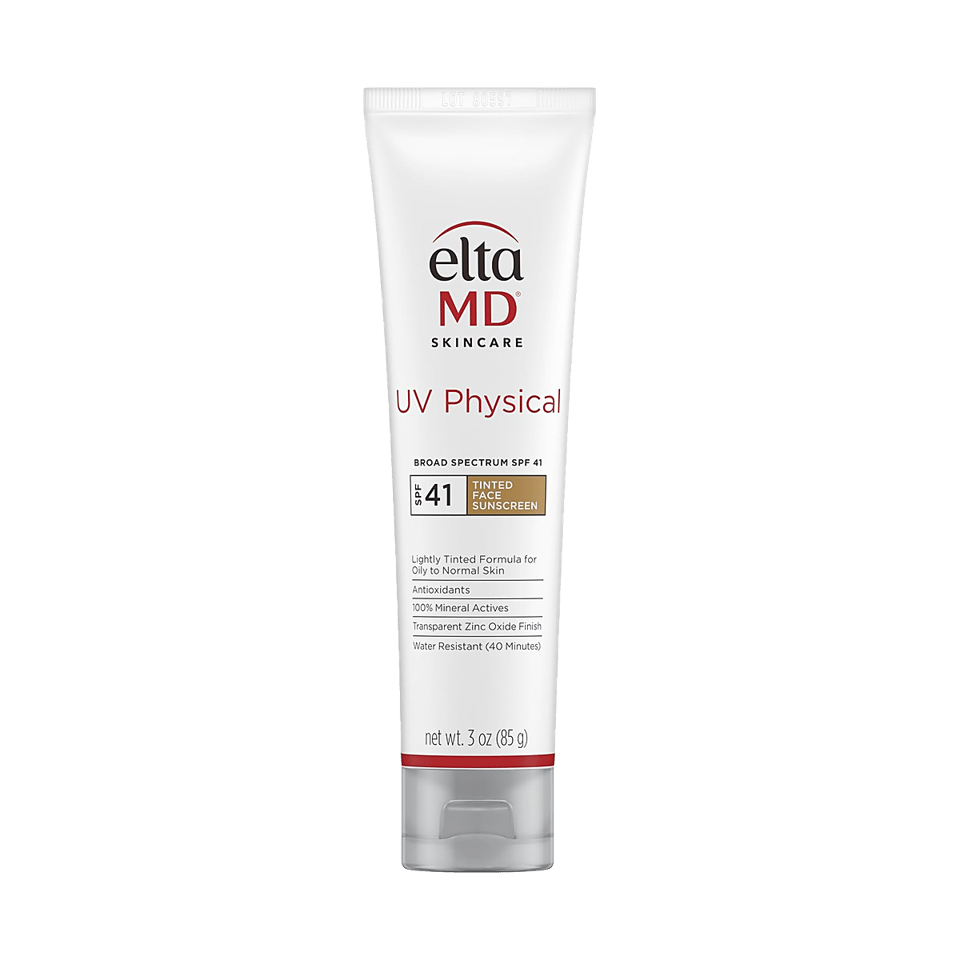
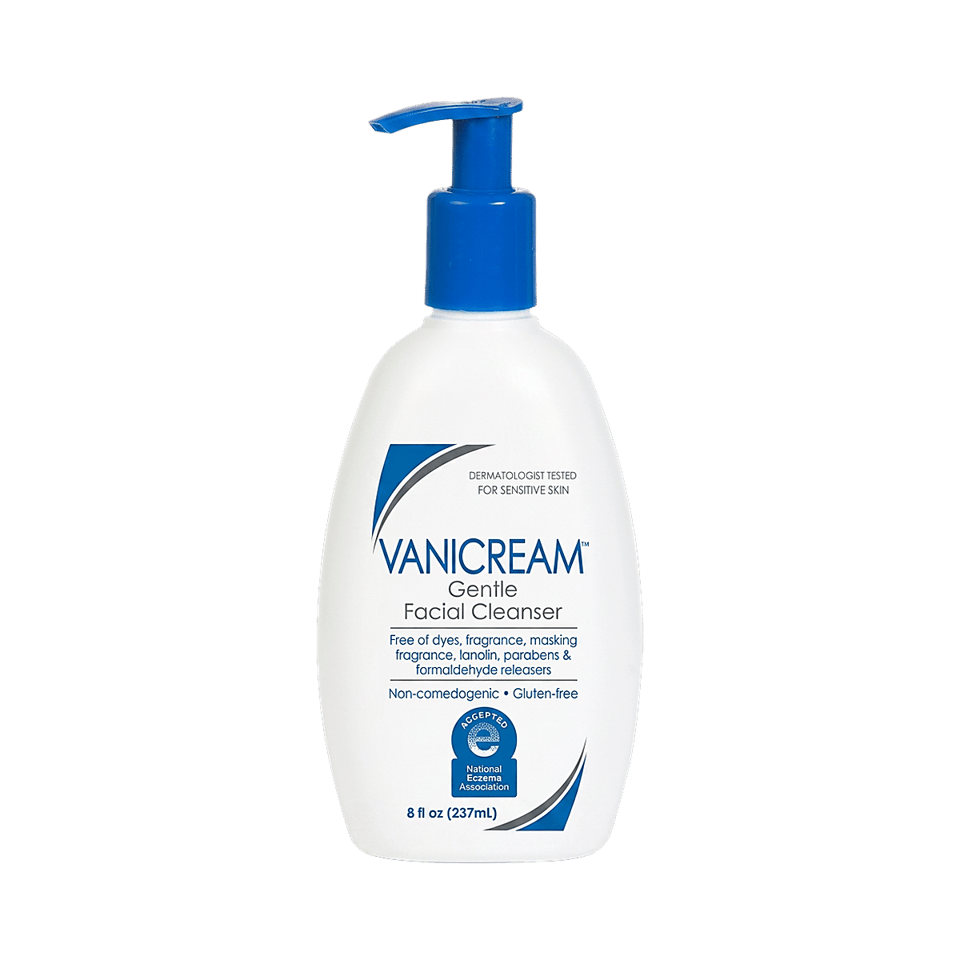
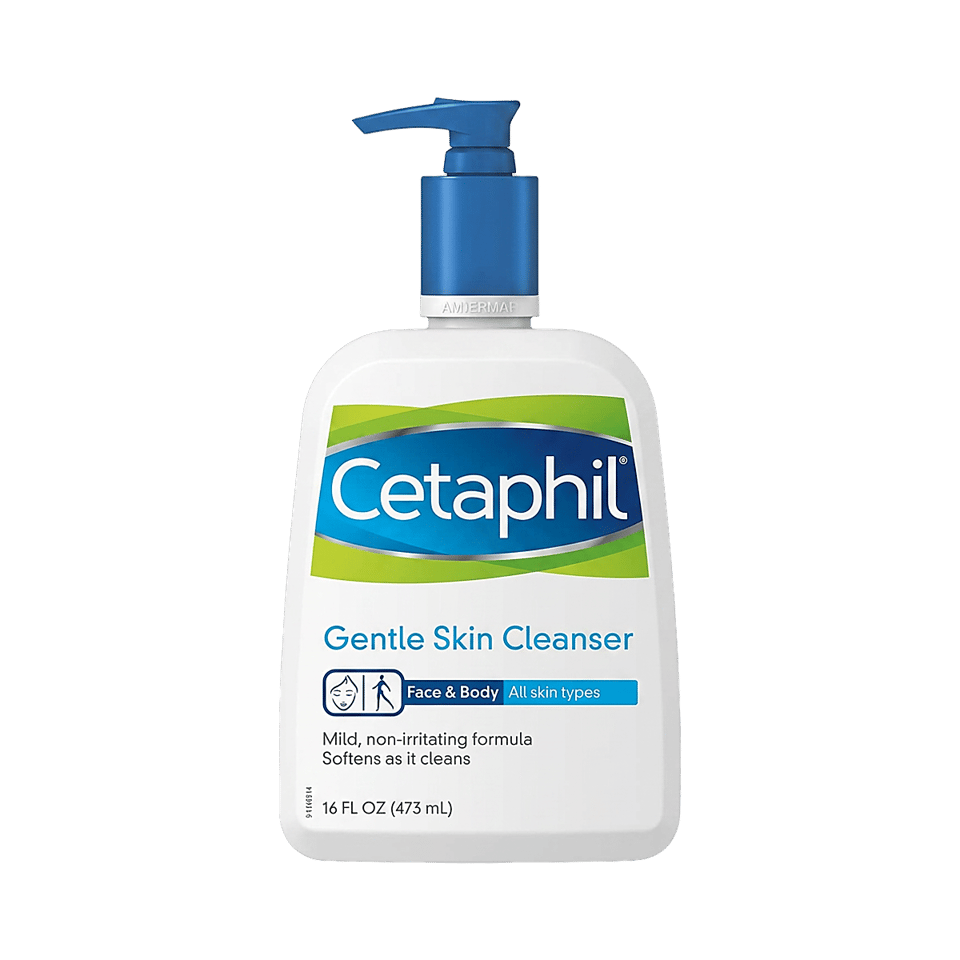
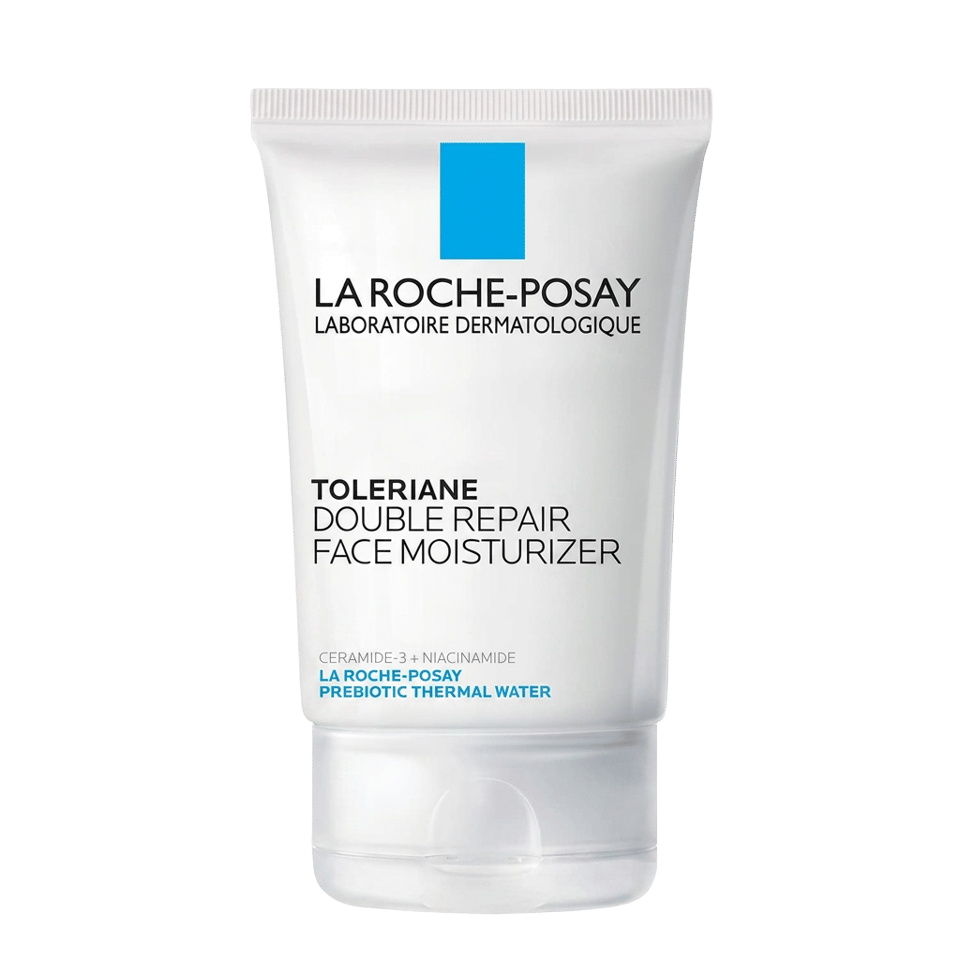
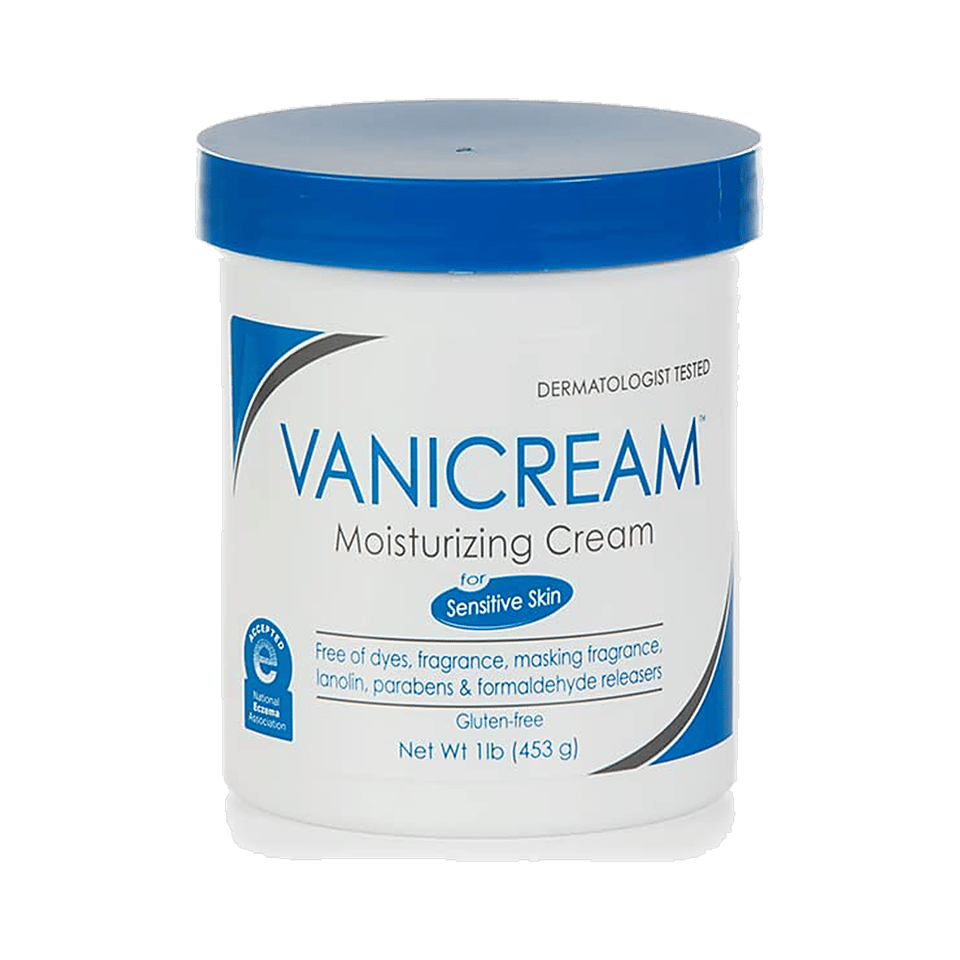
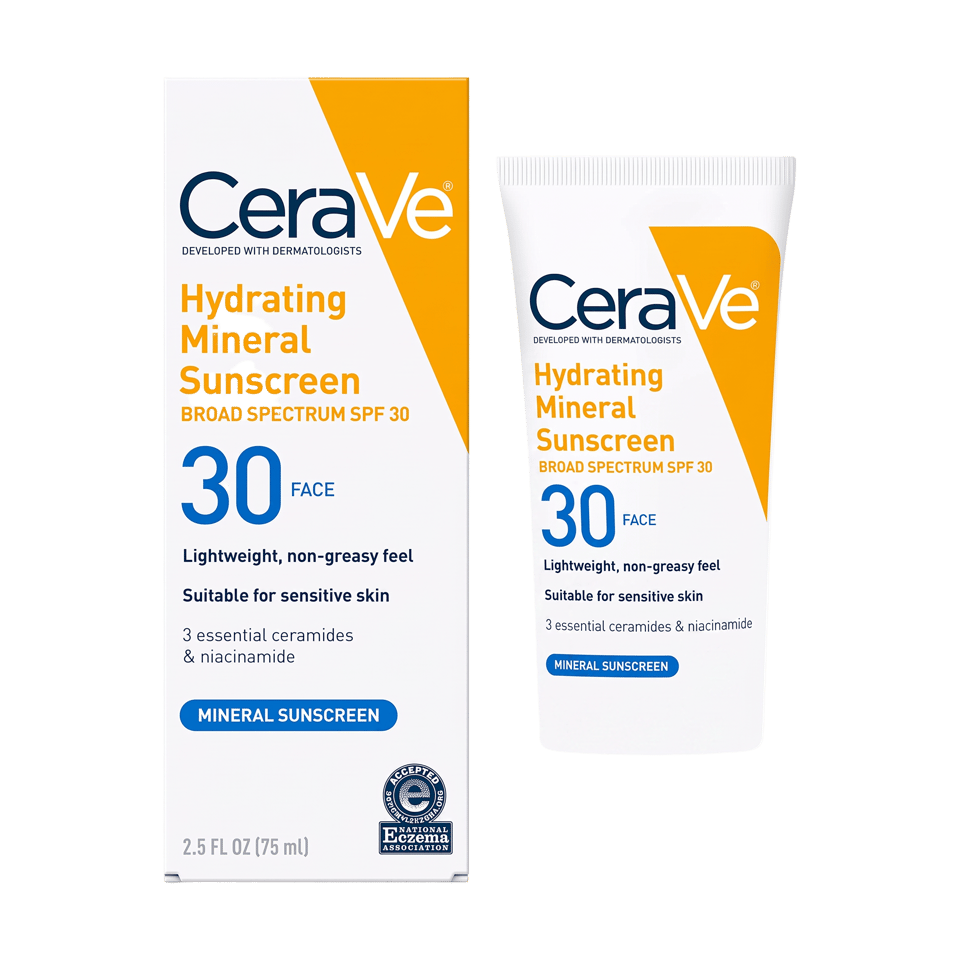
When skin is reacting, adding a soothing product rarely helps as much as removing three others. Go down to three items for two full weeks: a fragrance-free cream cleanser, a bland barrier moisturizer with ceramides or colloidal oatmeal, and a mineral sunscreen. No acids, no retinoids, no vitamin C, no masks, no scrubs, no essential oils. Two weeks is roughly how long the barrier needs to begin recovering measurably.
Then reintroduce one product at a time, waiting seven to ten days between additions. Patch test first: a pea-sized amount on the inner forearm or just in front of the ear, twice a day for three days. If nothing happens, apply it to a small area of the face for three more days before going full-face. It is slow, and it is the only method that reliably tells you what your skin actually objects to.
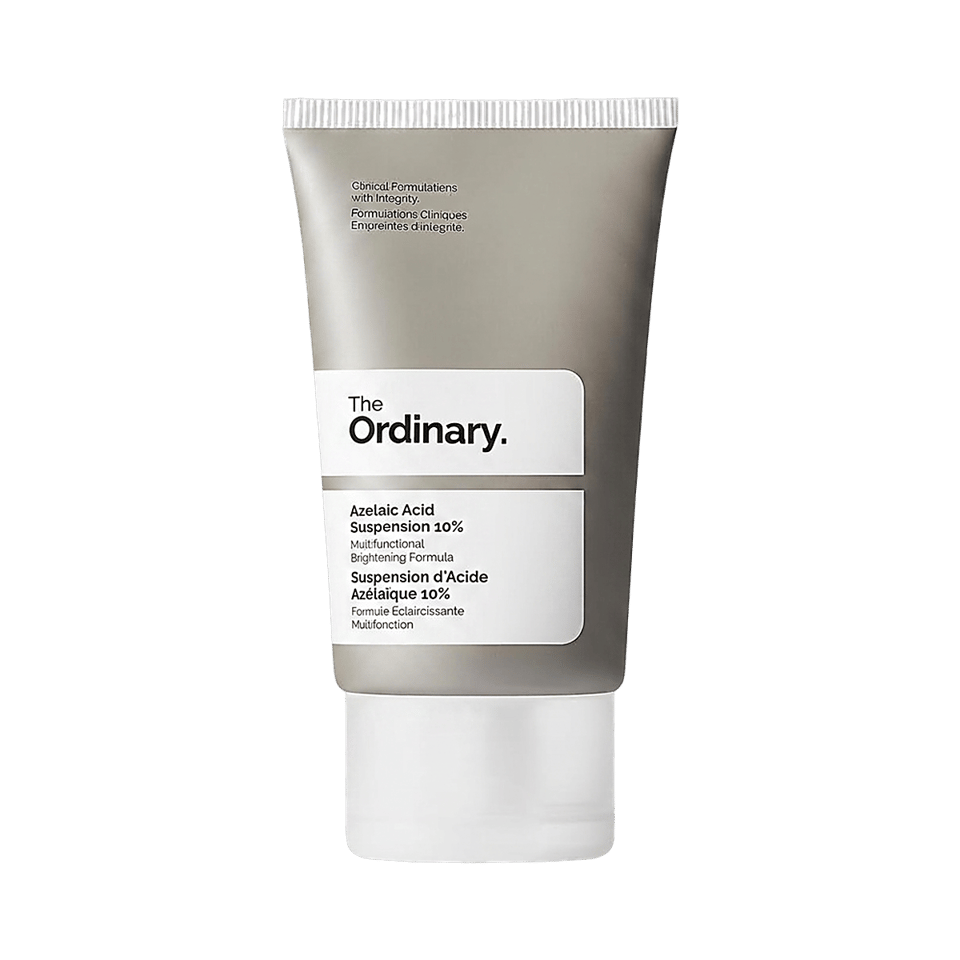
When you do add actives, choose the gentlest effective form. Azelaic acid instead of glycolic. Encapsulated or low-strength retinol, or bakuchiol, instead of a prescription retinoid. PHAs rather than AHAs, at most once a week. Apply moisturizer before the active to buffer it, and never introduce two new things in the same week.
Everyday triggers that are not products
Water temperature is the most underrated trigger. Hot water dissolves surface lipids and dilates vessels, so a hot shower on the face can undo a week of careful barrier work. Lukewarm only, and pat rather than rub with a clean towel.
Friction matters too: rough washcloths, cleansing brushes, aggressive makeup removal, and even resting your face in your hands all mechanically irritate a compromised barrier. So does laundry detergent on pillowcases, which sits against your face for eight hours a night — a fragrance-free detergent is a genuinely useful change for reactive skin.
Finally, sun and wind. UV drives inflammation and worsens redness in almost every sensitivity pattern, and mineral sunscreens with zinc oxide are usually better tolerated than chemical filters on reactive skin. In cold weather, a physical barrier — a scarf over the lower face — reduces windburn flares more effectively than any cream.