AM vs PM at a glance
Read each row as one slot in your routine. If a cell says skip, that step simply does not belong in that half of the day.
| Step | Morning (protect) | Evening (repair) |
|---|---|---|
| 1 | Water or gentle cleanser | Balm or oil to remove SPF and makeup |
| 2 | Antioxidant serum (vitamin C) | Gentle second cleanse |
| 3 | Hydrating layer if you use one | One active: retinoid, AHA/BHA, or azelaic acid |
| 4 | Lightweight moisturizer | Richer moisturizer to buffer the active |
| 5 | Broad-spectrum SPF 30+, always last | Optional oil or occlusive balm to seal |
| Skip | Retinoids, exfoliating acids | Sunscreen |
The morning routine: protect
Skin does not need deep cleaning in the morning — it has been on a clean pillow, not out in the world. A splash of water or a very gentle cleanser is enough for most people; oily skin may prefer a light gel wash.
1. Gentle cleanse — Water or a mild cleanser. Skip anything foaming and stripping.
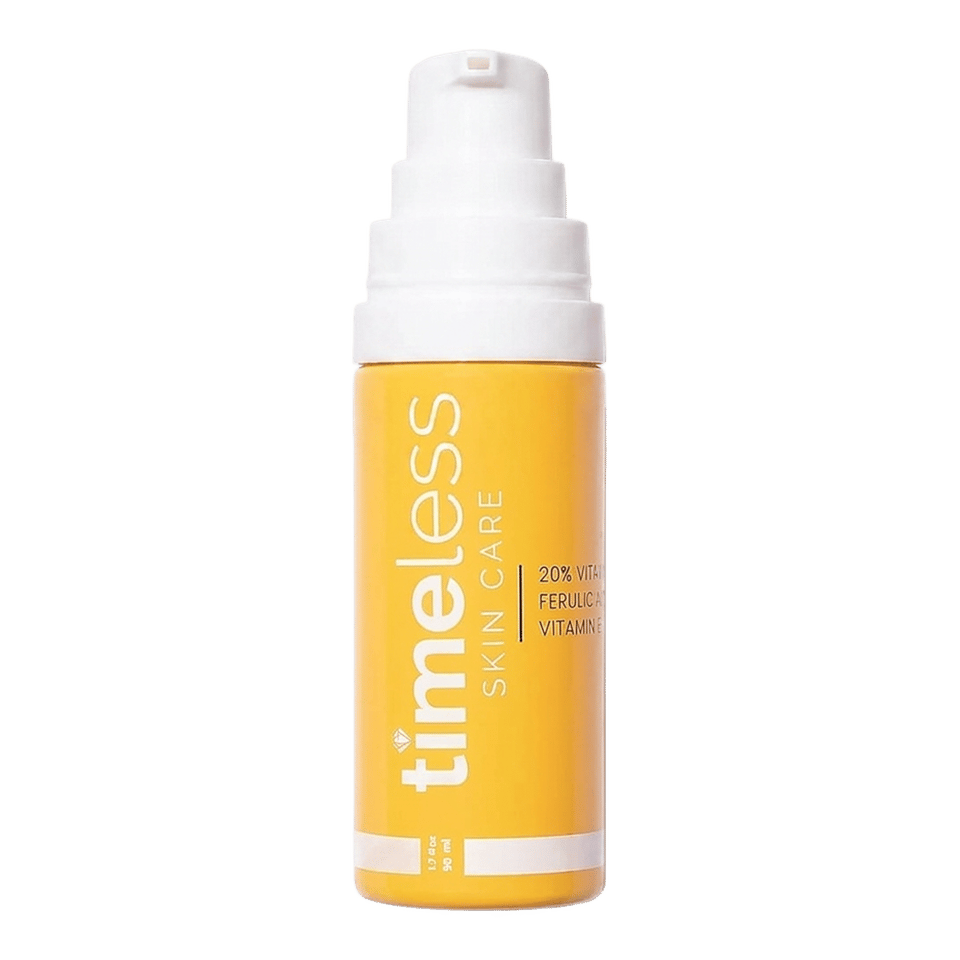
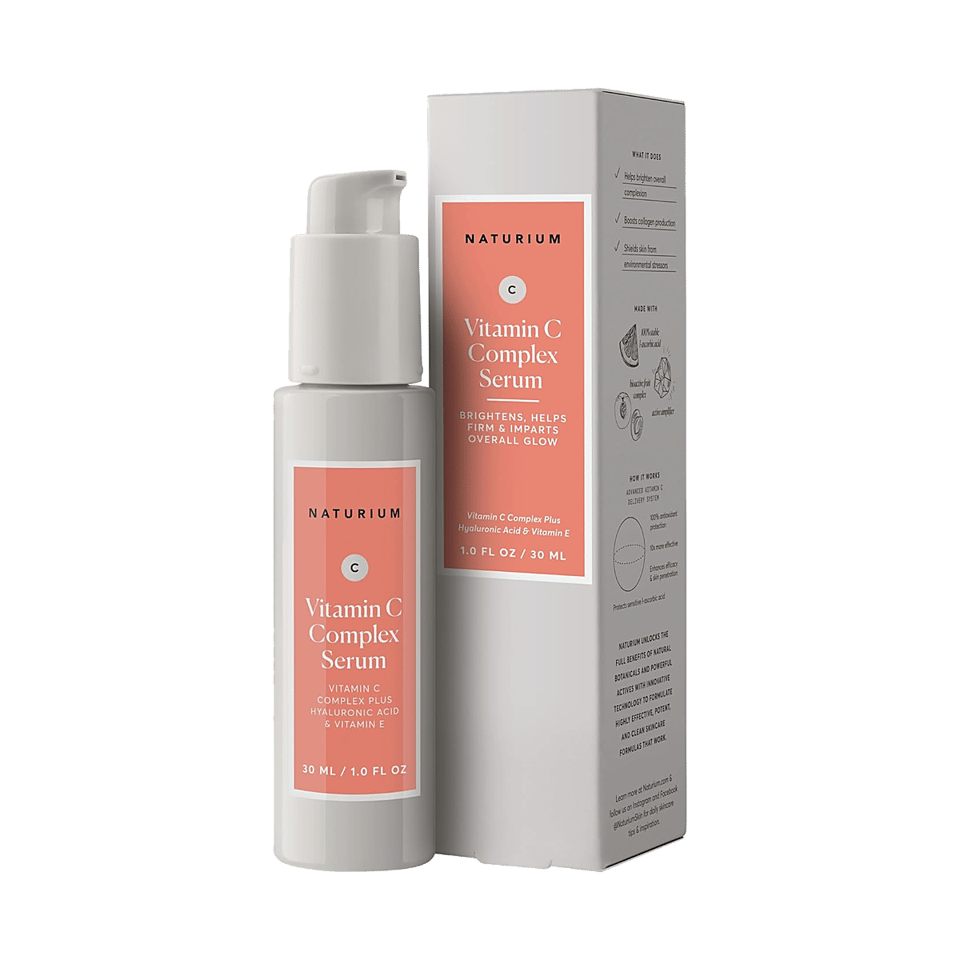
2. Antioxidant serum — Vitamin C or a niacinamide serum on clean skin, before heavier layers.
3. Moisturizer — The lightest weight that keeps you comfortable until evening.
4. Sunscreen — Broad-spectrum SPF 30+, always last, roughly a quarter teaspoon for the face. Wait a couple of minutes before makeup.
The evening routine: repair
At night, skin temperature and permeability rise, cell turnover speeds up, and there is no UV to deactivate light-sensitive ingredients. That makes the evening the correct home for anything that renews rather than defends.
1. Remove sunscreen and makeup — A cleansing balm, oil, or micellar water first. Sunscreen is designed to resist water, so a water-only wash leaves most of it behind.
2. Cleanse — A gentle second wash matched to your skin type to clear what the first pass loosened.
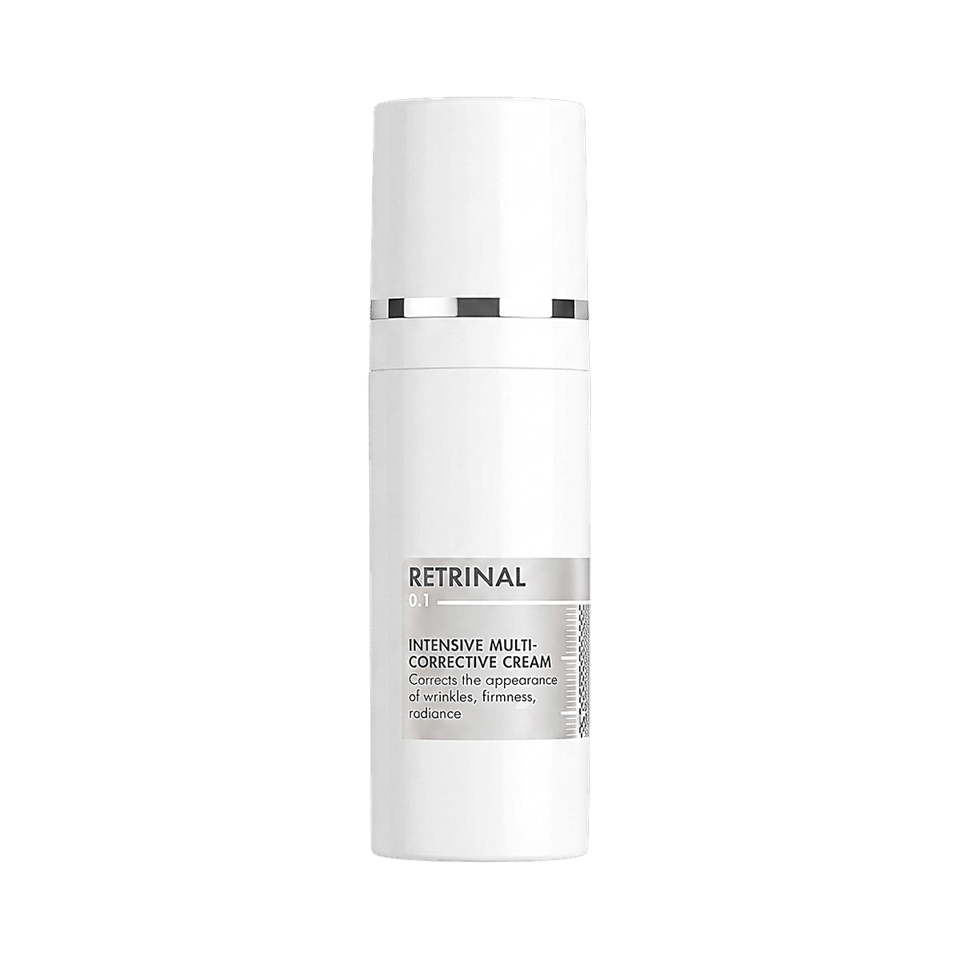
3. Treat — Your one active for the night — retinoid, exfoliating acid, or azelaic acid — on dry skin, waiting a few minutes if you are sensitive.
4. Moisturize — A richer cream than the morning, to buffer the active and hold water overnight.
5. Optional seal — A few drops of facial oil or an occlusive balm over the cream if your skin is dry.

Which actives go in which half of the day
Morning only
Vitamin C and other antioxidants (they work alongside sunscreen), and of course the sunscreen itself.
Evening only
Retinoids and retinol, AHAs and BHAs, and prescription treatments — for different reasons. Some formulas are less stable in light, AHAs carry an FDA-recognized increase in sun sensitivity, and for retinoids and prescription products evening use is mainly about managing irritation and following the directions on the label. Manufacturer directions and your clinician's instructions come first.
Either time
Niacinamide, hyaluronic acid, glycerin, ceramides, peptides, and azelaic acid are stable and non-sensitizing enough for both routines.
The layering rule, and the one exception
Thinnest to thickest is the rule: watery layers first, creams later, last in the morning. The exception is retinoids on sensitive skin, where applying moisturizer first and the on top ('') reduces irritation at a small cost to strength.
Give each layer half a minute to sink in. Rushing causes pilling, which people misread as product incompatibility.
Common ordering mistakes
Sunscreen under moisturizer
Sunscreen must be the outermost layer to form its film. Anything applied over it dilutes and disturbs it.
Retinol in the morning
Many retinoid formulas are less stable in light, and evening use keeps irritation manageable, so it is conventionally a night step. Follow the product's own directions, and wear sunscreen daily either way.
Vitamin C and exfoliating acid together
Layering both in one session mostly produces stinging. Split them across morning and evening.
Serum on a wet face after a hot wash
Hot water and dripping skin dilute actives and increase irritation. Pat until barely damp.
If you only have two minutes
Morning: over moisturizer. Evening: cleanse and moisturize. That two-step-each version is a legitimate routine and beats an elaborate one you skip on tired nights.
When you have more time, add the antioxidant in the morning and the single at night — in that order of priority.
Why order follows texture: thinnest to thickest
Skincare layers behave like clothing. A watery essence applied over a rich cream never reaches skin, because the cream's oils and film-formers sit in the way. Applying products from thinnest to thickest lets each one make contact before the next seals it in. In practice that means water-like toners and essences first, then serums, then lotions, then creams and balms, then oils, with last in the morning because it needs an even, undisturbed film to deliver its labeled protection.
There are only two real exceptions. always goes last in the morning regardless of texture, and a prescription treatment is usually applied to clean, dry skin first so its absorption is predictable. Everything else follows the texture rule, which is why you do not need to memorize a ten-step order — you only need to look at the bottle and ask whether it runs, pours, or sits.
A sample week that puts it together
Every morning looks the same: rinse or gently cleanse, antioxidant serum, moisturizer, . Consistency in the morning is what makes an evening routine worth doing, because it protects the results overnight work produces.
Evenings rotate. Monday, Wednesday, and Friday: cleanse — if you wore and makeup — then a , then moisturizer. Tuesday and Thursday: cleanse, an exfoliating acid, then moisturizer. Saturday and Sunday: cleanse and moisturize only, giving the two full recovery nights. Dry or sensitive skin should run the same pattern with the retinoid on two nights instead of three and the acid on one.
Notice what the week does not contain: no morning acids, no nightly exfoliation, and no evening where two strong compete. The rotation is the point. It gives each ingredient enough repetitions to work while leaving the enough uninterrupted nights to repair.