How to start a skincare routine in four steps
Cleanse, moisturize, protect, then treat — in that order, and in that order of priority when money is tight. A first routine is a gentle cleanser at night, a moisturizer morning and night, a broad-spectrum 30 every morning, and one treatment added later once those three are automatic.
Everything below is the same four steps stretched over a month, so that if something stings you know exactly which change caused it.
Week 1: find out what your skin is
Cleanse in the evening, apply nothing, and check your skin an hour later. Tight means dry, shiny all over means oily, shiny only on the T-zone means combination, and stinging or flushing means sensitivity is in play. Repeat for a few evenings so a single odd day does not decide it for you.
Write down what bothers you most while you are at it — breakouts, dullness, , or fine lines. That is your concern, and it decides which you will add in week three.
Week 2: buy three products, not ten
Total spend for all three can be budget-friendly to mid-range. Use them for two full weeks before buying anything else — most beginners see a real improvement from this alone, because gentle cleansing plus daily fixes a surprising amount.
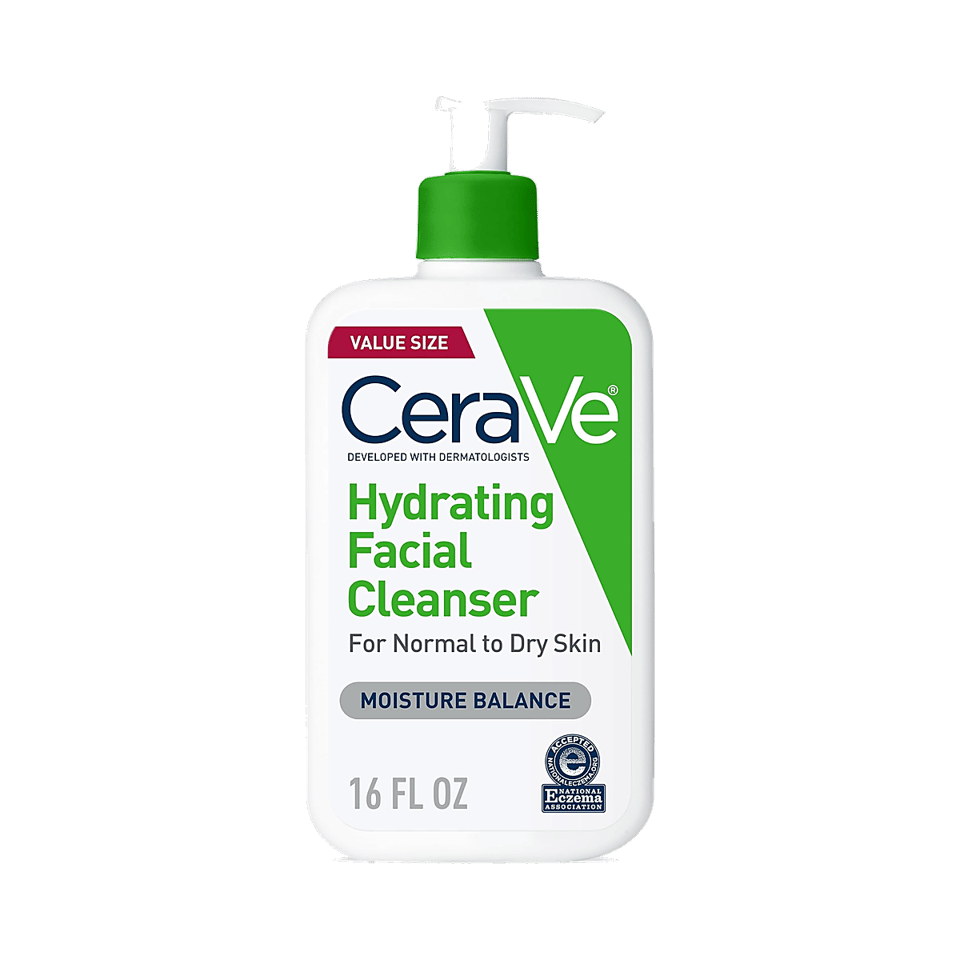
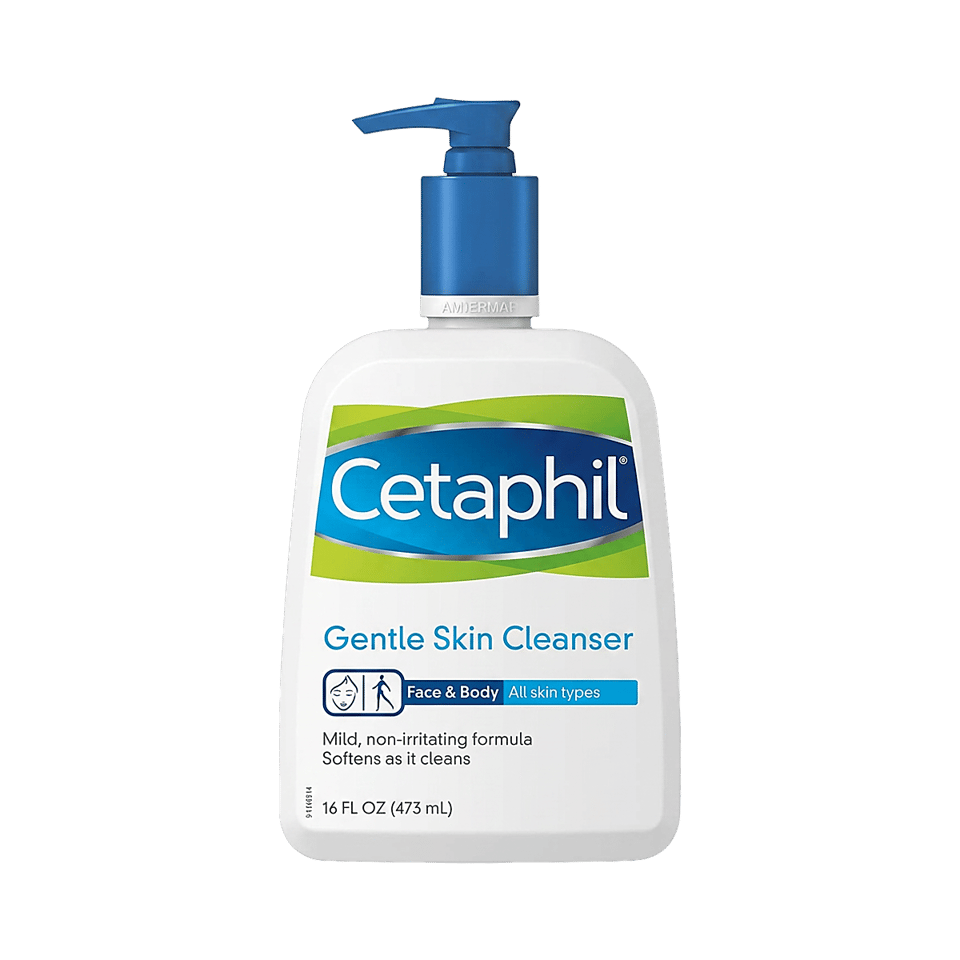
A cleanser that matches your type
Gel or light foaming for oily and combination skin; cream, milk, or balm for dry and sensitive skin. Fragrance-free is the safer default for everyone.
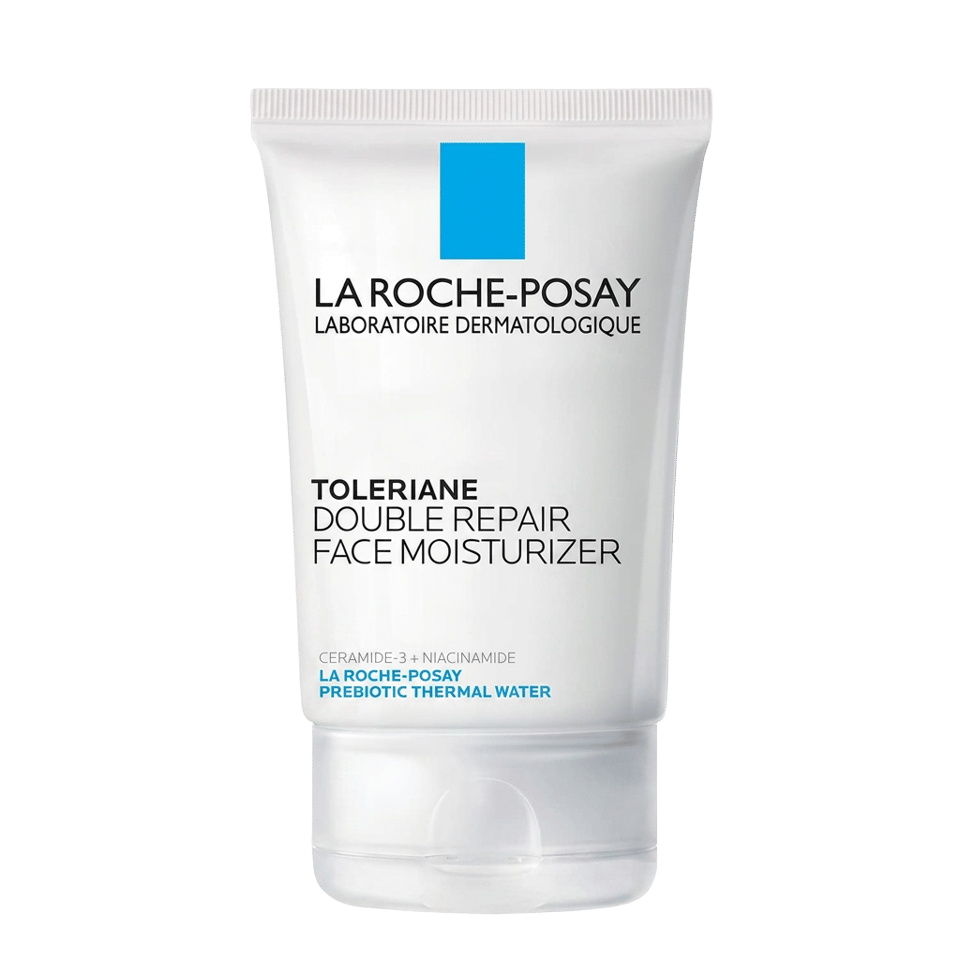
A moisturizer at the right weight
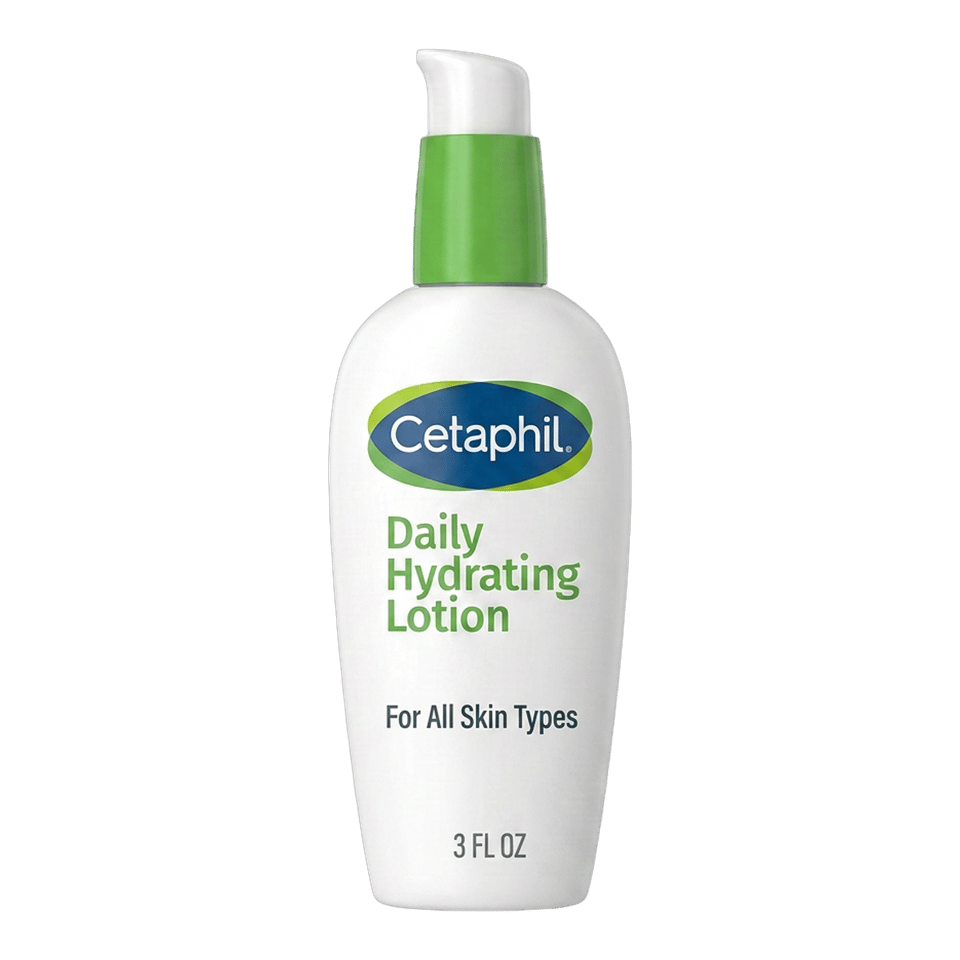
Gel-cream for oily, lotion for combination, ceramide cream for dry, and a short fragrance-free formula for sensitive.
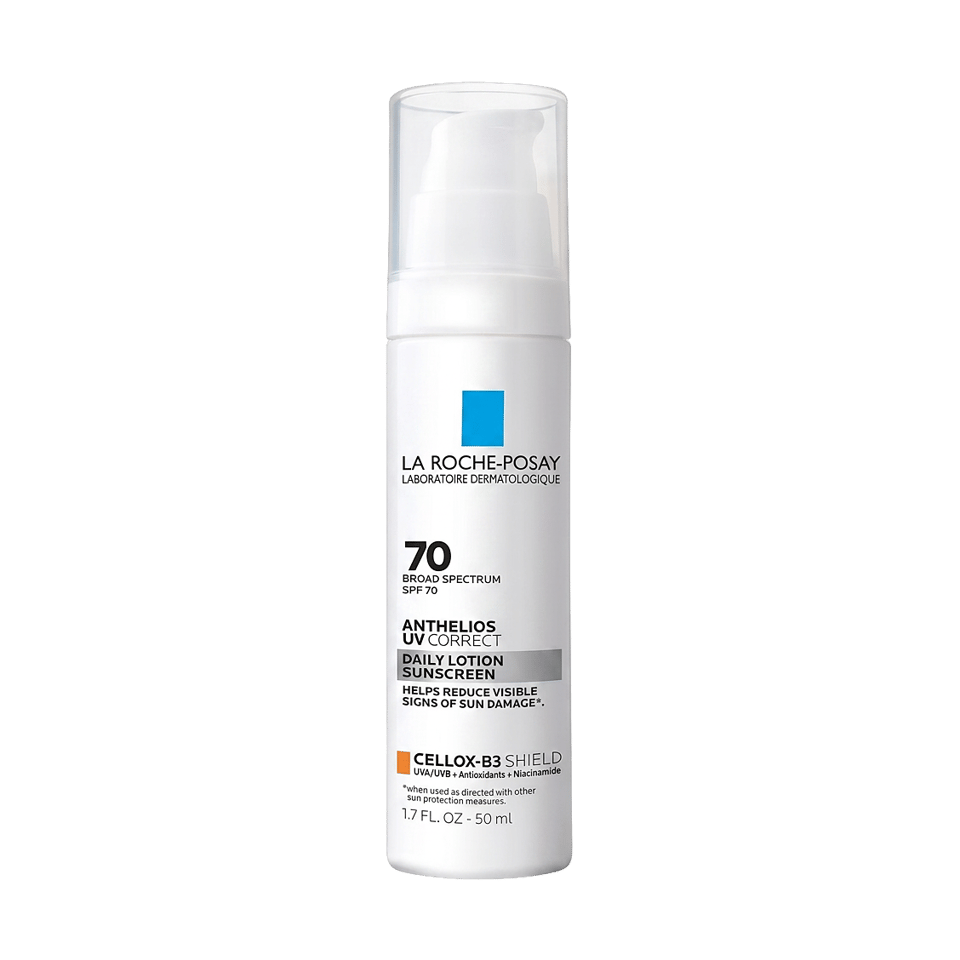
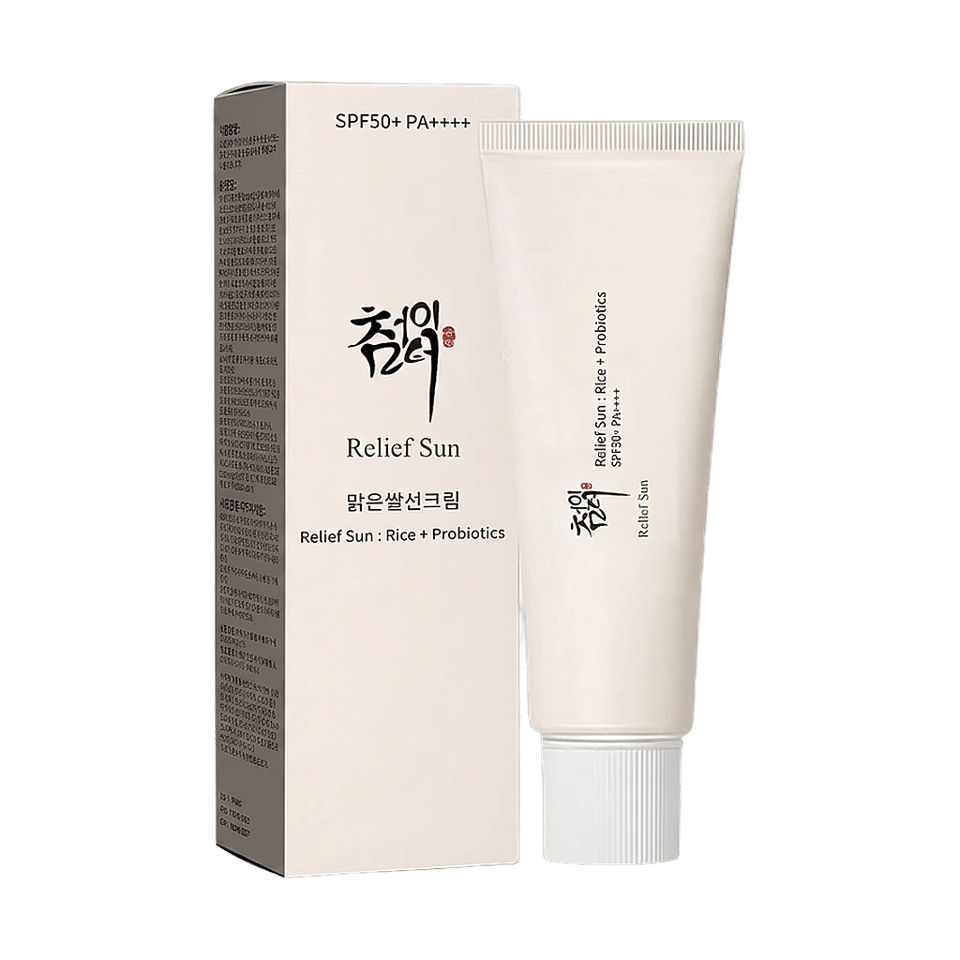
Broad-spectrum SPF 30 or higher
Test textures until you find one you genuinely like wearing. A sunscreen you enjoy is the one you will actually apply daily.

Week 3: add exactly one active
Pick one target and one product for it. for clogged pores and blackheads. or for inflamed acne. A beginner (0.2–0.3%) for texture and fine lines. in the morning for dullness and uneven tone.
Start two nights a week, not nightly. Apply it to dry skin after cleansing and before moisturizer. If your skin is reactive, apply moisturizer first and the on top. Build to three or four nights over a month only if there is no persistent flaking or stinging.
Week 4 and beyond: hold the routine and judge it
Hydration and comfort improve in the first week or two. Shine and texture settle by week four. Acne, pigment, and lines follow the skin's renewal cycle, so realistic timelines are eight to twelve weeks — and retinoids commonly cause a short 'purge' of small breakouts in weeks two to six before they improve things.
Change one variable at a time. If you add two products at once and your skin reacts, you have no way of knowing which one to blame.
How to patch test
Apply a small amount of any new product to the same spot along your jaw or just in front of the ear, once a day for about five consecutive days. Watch for redness, itching, or small bumps. It is a low-effort habit that lowers the odds of a full-face reaction, and it matters most for and anything fragranced — though a clear cannot guarantee your whole face will tolerate a product, diagnose an allergy, or rule out a reaction later on.

Beginner mistakes worth skipping
Buying a full routine at once
If everything is new, nothing can be isolated when your skin reacts.
Over-washing
Twice a day is plenty. More washing tends to leave skin tight and irritated rather than less shiny.
Scrubbing
Grainy scrubs rub unevenly and irritate. A chemical exfoliant once or twice a week is gentler and more even.
Skipping moisturizer because of oil
Skipping it leaves skin dehydrated and uncomfortable, and it does not reduce oil.
Chasing trends
Ingredients that trend on social media are rarely better than niacinamide, retinoids, and sunscreen.
When to see a professional
Painful cystic acne, acne leaving scars, sudden severe redness, or any mole or patch that changes should go to a dermatologist rather than a routine. Prescription treatments work faster than anything on a shelf, and early treatment prevents scarring.
Your first thirty days, week by week
Week one — cleanser and moisturizer only
Wash with a gentle cleanser at night, rinse with water in the morning, and moisturize twice a day. That is the whole routine. You are establishing a baseline so that anything you add later has something to be compared against.
Week two — add sunscreen every morning
Cleanse, moisturize, then sunscreen as the last daytime step. Give yourself a week to find an application amount and a finish you can live with, because a sunscreen you dislike is a sunscreen you will skip.
Week three — add one treatment, twice
Pick a single target: hydration, breakouts, or dullness. Use one serum or treatment twice that week, at night, and note how your skin looks the following morning. Two applications is enough to reveal obvious intolerance without wrecking your barrier.
Week four — increase or hold
If there is no stinging, flaking, or new redness, move to every other night. If there is, drop back to once a week or stop and try a gentler version. Only after this month should you consider a second active.

How to patch test properly
A done well takes about five days and saves months. Apply a small amount of the new product to the same spot each evening — the side of the jaw or just in front of the ear, not the inner arm, because facial skin behaves differently from body skin. Leave it on overnight and check the area in daylight the next morning for redness, bumps, itching, or a burning feeling that does not settle within a few minutes of applying.
Test one product at a time. If you introduce three products in the same week and your skin reacts, you have no way of knowing which one caused it and will usually abandon all three, including the two that were fine. Keep the box or note the name of anything that reacted so you can look for the shared ingredient later — fragrance, an essential oil, or a high-strength acid is usually behind repeat reactions.
How long results actually take
Hydration and comfort — days
A well-chosen moisturizer changes how skin feels within two or three days. This is the fastest and most reliable win in skincare, and it is the reason to start here rather than with actives.
Breakouts — six to twelve weeks
Salicylic acid, adapalene, and azelaic acid all work on spots that are forming under the surface now. The visible improvement lags the actual improvement by roughly a skin cycle.
Texture and brightness — four to eight weeks
Gentle exfoliation and vitamin C show up as a smoother, more even surface within a couple of months of consistent use.
Dark marks and fine lines — three to six months
Pigmentation and collagen change slowly. Anything promising a difference in two weeks is describing hydration, not remodelling.
What to buy first, and what can wait
Spend your money in this order: , moisturizer, cleanser, then one treatment. Sunscreen is the only product with strong evidence for preventing the things most people are trying to fix later, so it deserves the largest share of a small budget. A good moisturizer is second because comfort determines whether you can tolerate anything else. Cleanser matters least — it is on your face for sixty seconds and rinsed away, so an inexpensive gentle one is genuinely fine.
Everything else can wait. Toners, essences, eye creams, masks, facial tools, and second serums are refinements, not foundations. Add them only when the four basics have been running consistently for two months and you can name the specific thing you want the extra product to do.