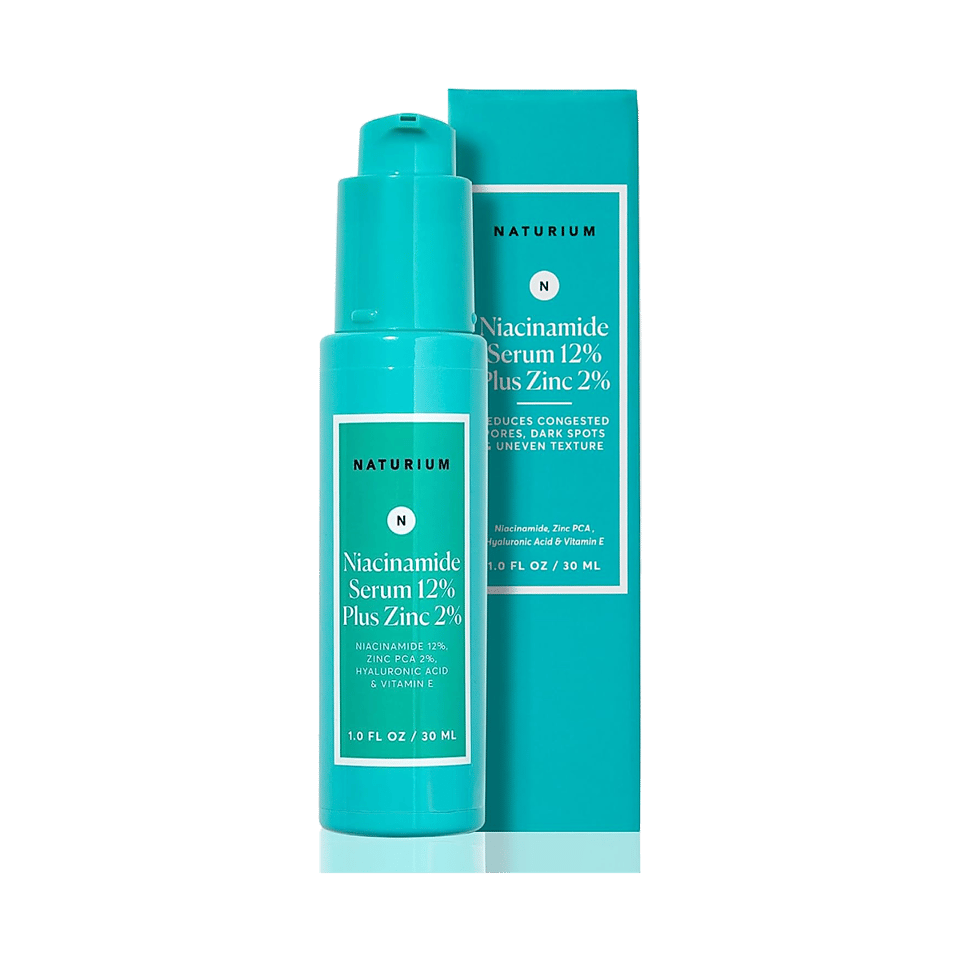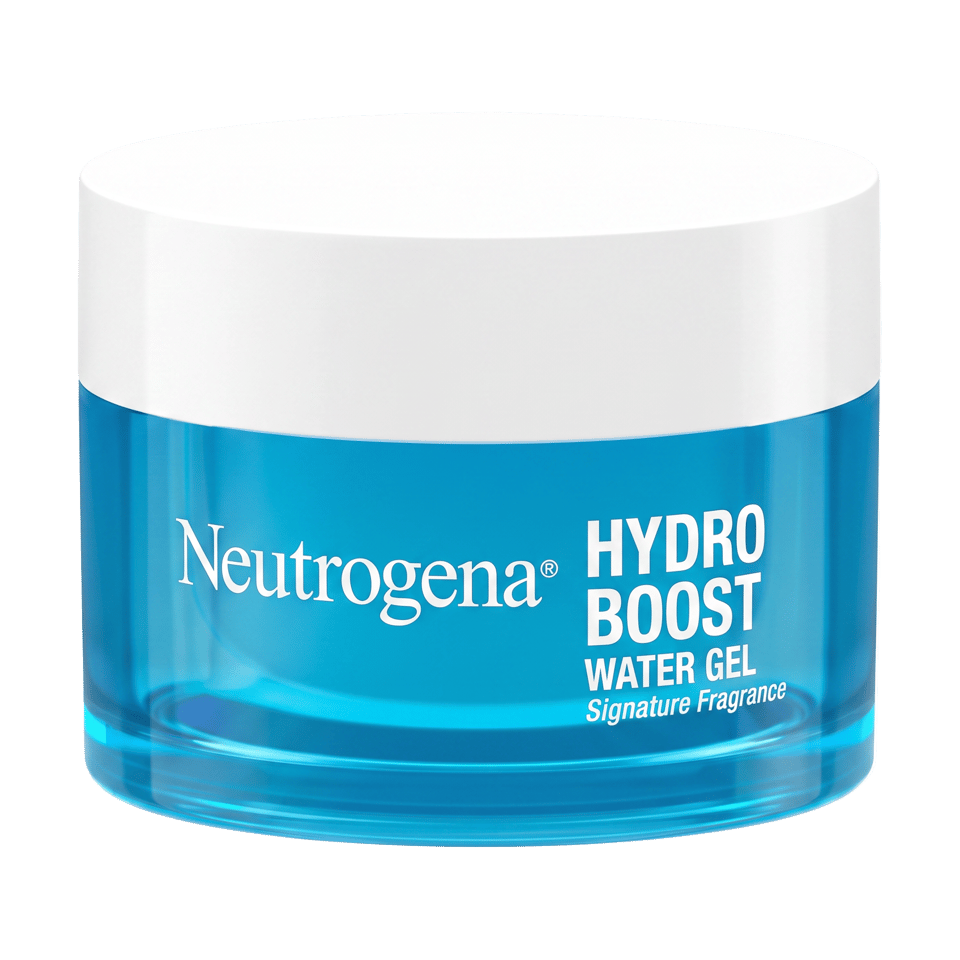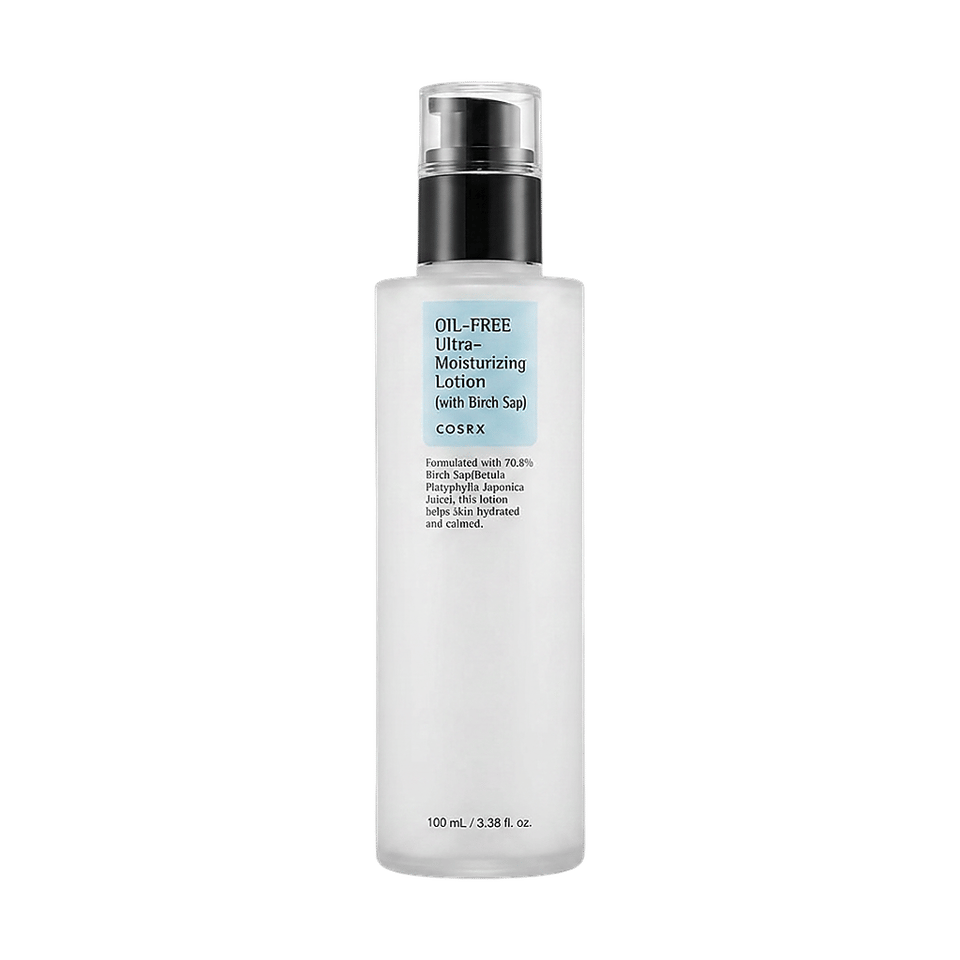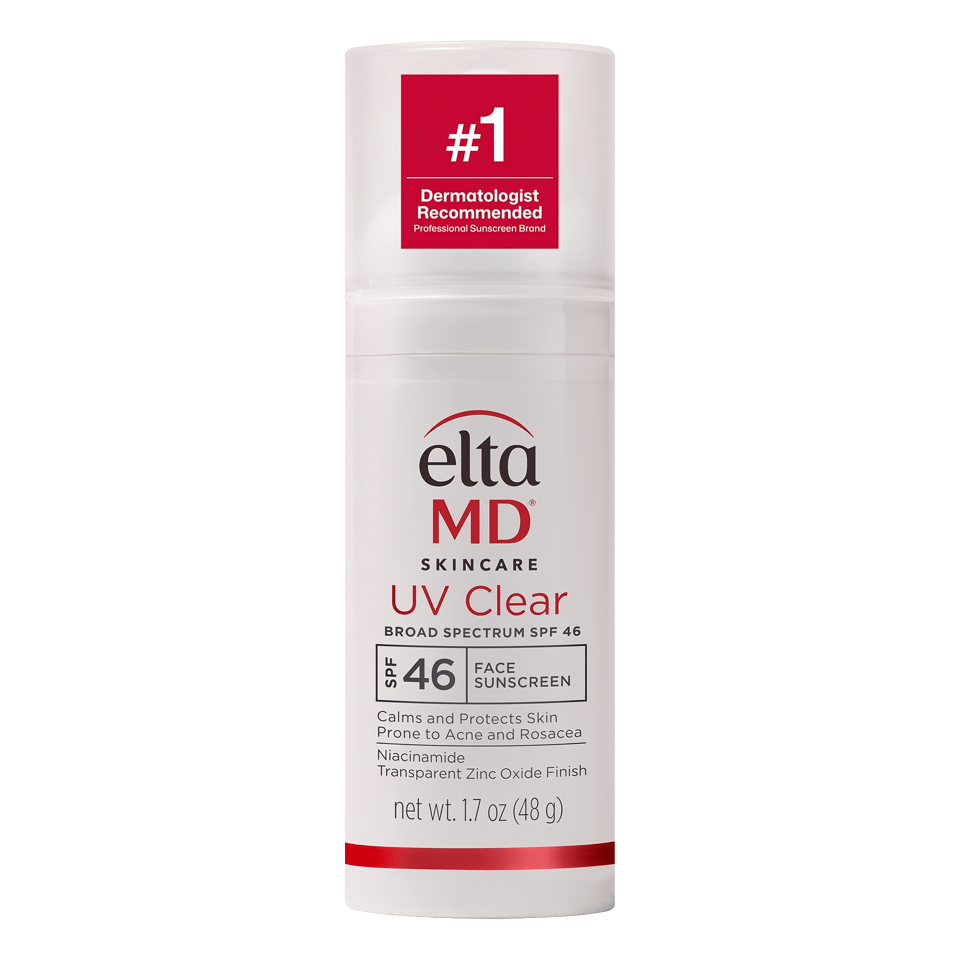

The oily-skin swap table
Every habit below irritates or clogs pores on oily skin specifically. The right-hand column is what to use in its place — no extra steps, just different products in slots you already have.
| Habit that backfires | Why it backfires on oily skin | Use instead |
|---|---|---|
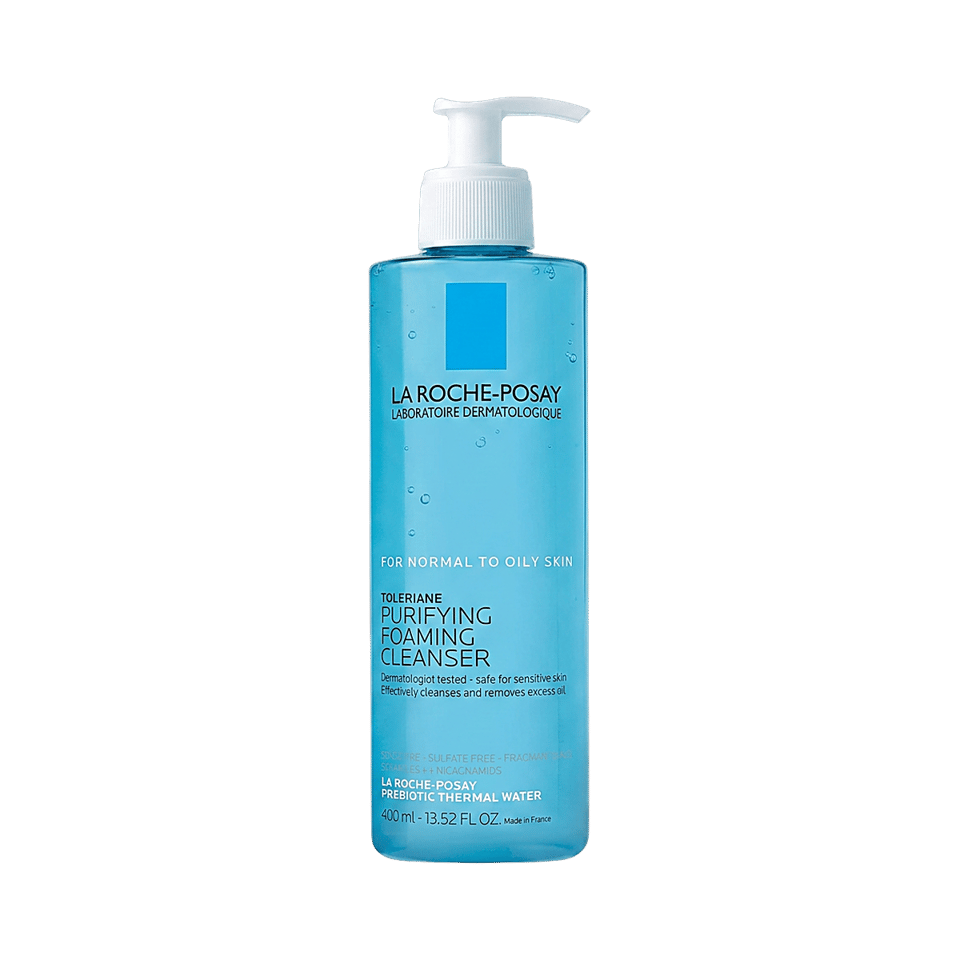
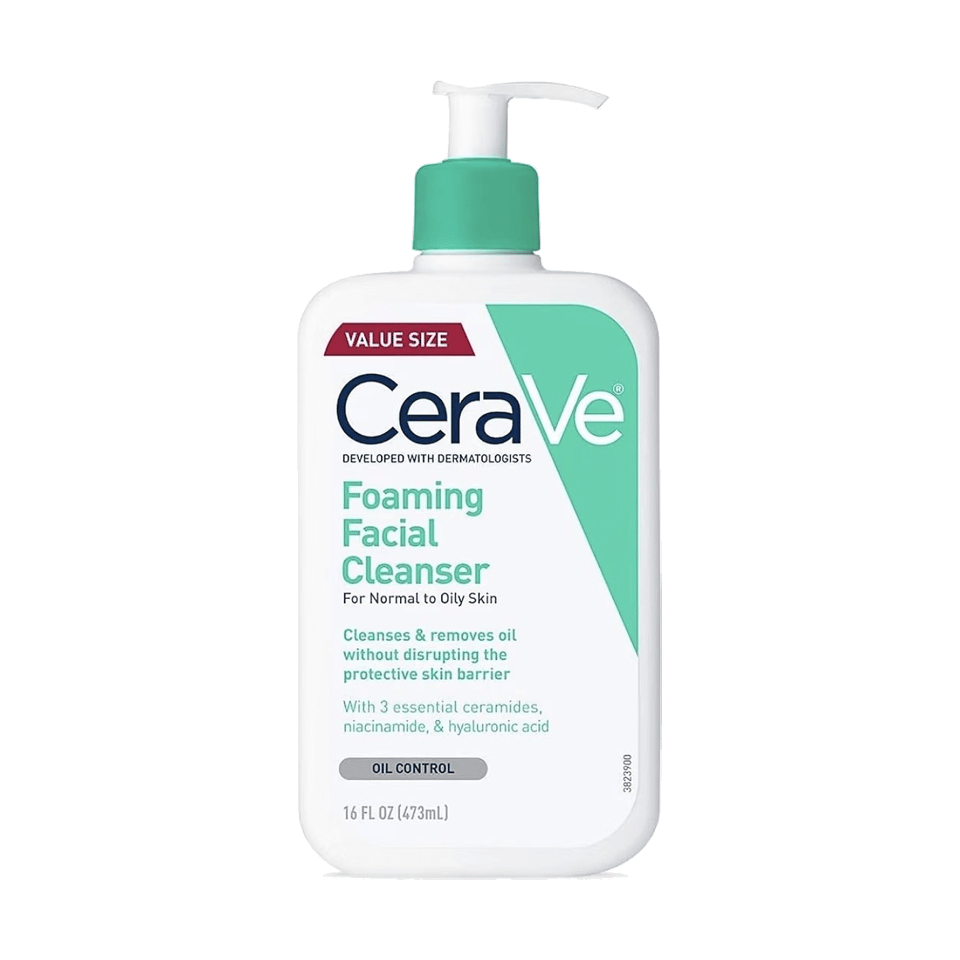
| Washing three or more times a day | Strips surface lipids and leaves skin tight and irritated within hours | Gentle gel cleanser, morning and night only |
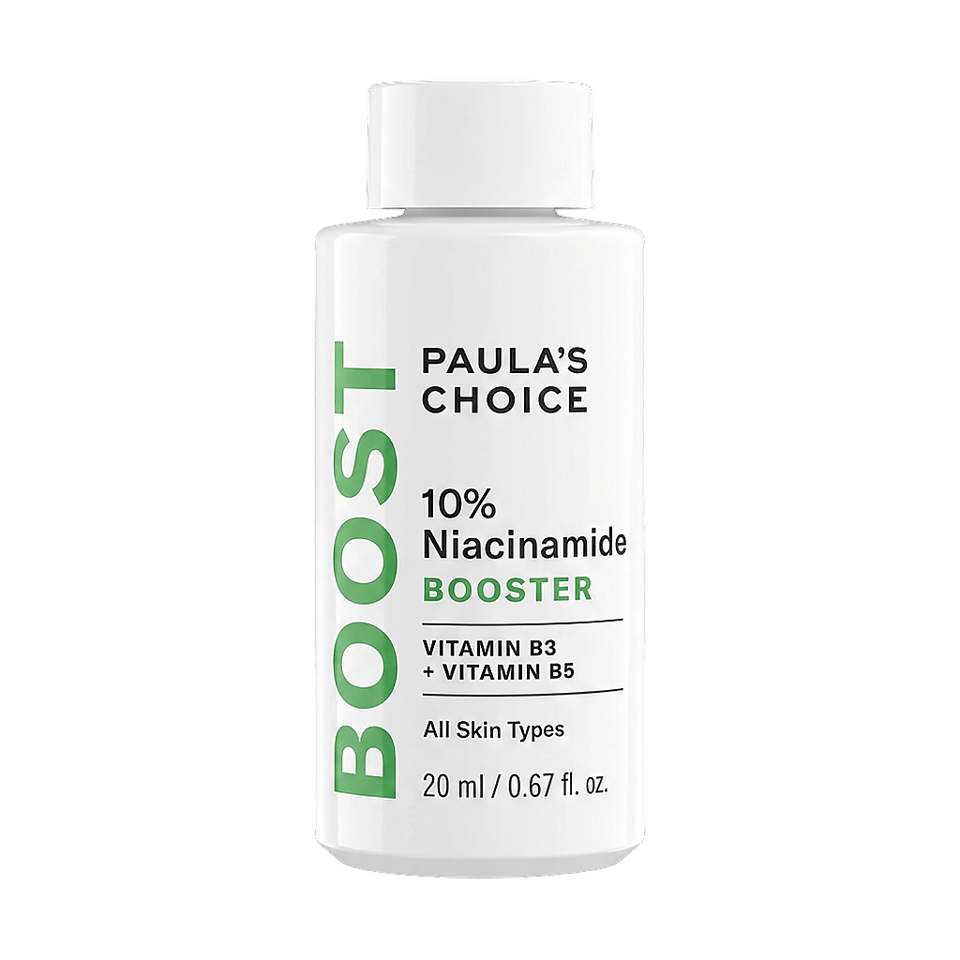
| Alcohol-heavy mattifying toner | Degreases for about an hour, then leaves skin dehydrated and shinier | Niacinamide 4–10% serum |
| Skipping moisturizer | Dehydrated skin feels tight and uncomfortable, and shine does not improve | Oil-free gel or gel-cream moisturizer |
| Face scrubs or cleansing brushes | Friction inflames follicles and worsens breakouts, not oil | Salicylic acid (BHA) 2%, two or three nights a week |
| Blotting all day, nothing else | Removes surface oil only; output is unchanged by lunchtime | Niacinamide in the morning plus a matte finish sunscreen |
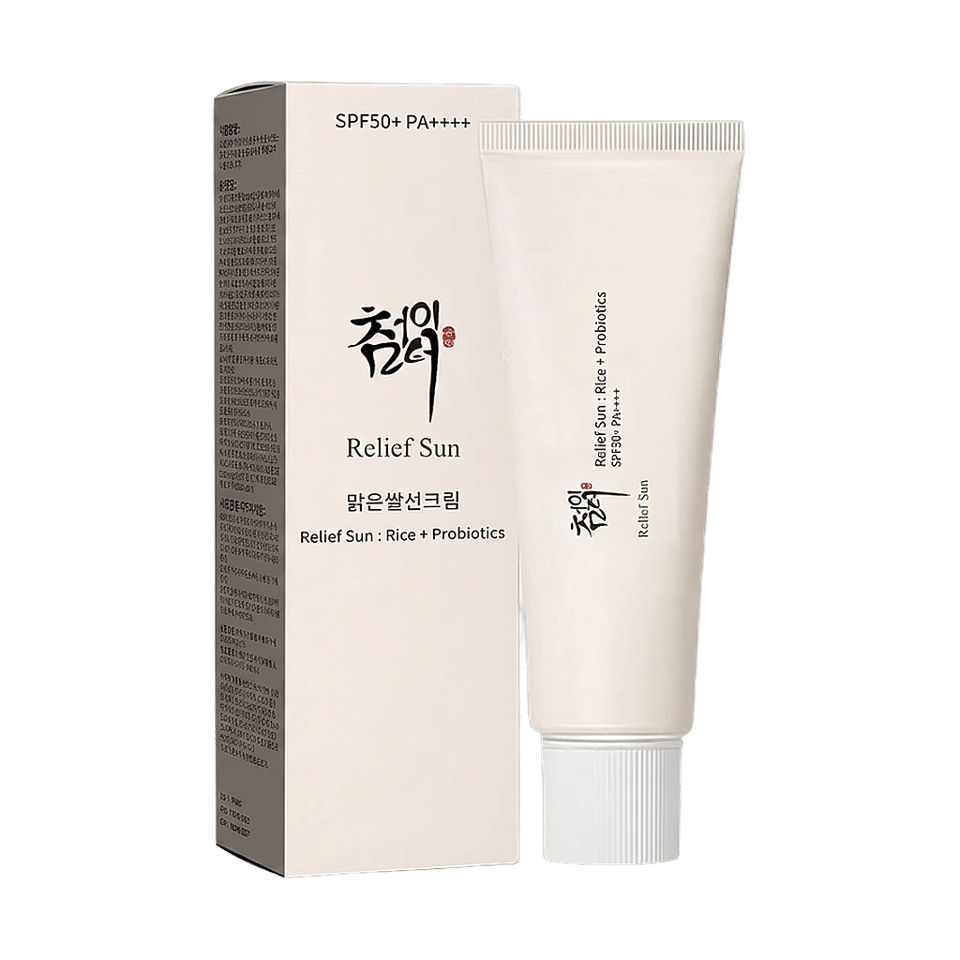
| Heavy cream sunscreen | Feels greasy on oily skin, which is why it gets skipped | Oil-free fluid, gel or matte mineral SPF 30+ |
| Adding a second and third active at once | Irritation raises inflammation, which reads as more congestion | One active at a time for four to six weeks |
1. Over-cleansing or using harsh cleansers
Washing your face too often (or with a strong foaming cleanser) can strip the skin, leaving it tight, irritated and dehydrated — which usually looks and feels worse rather than less oily.
Better approach: Use a gentle cleanser once or twice a day. Look for something that removes oil without leaving your face tight or squeaky-clean.
2. Skipping moisturizer
Many people with oily skin avoid moisturizer because they think it will make them oilier. In reality, skipping it leaves skin dehydrated and irritated without changing how much oil it makes.
Better approach: Use a lightweight, oil-free or gel moisturizer. Your skin still needs hydration — just not a heavy cream.

3. Using too many strong actives at once
It's common to layer , acids, and strong treatments together hoping for faster results. This often leads to irritation, which can increase oil and breakouts.
Better approach: Introduce one at a time. Start slow (a few times a week) and give your skin time to adjust.
4. Ignoring sunscreen
Some people skip because it feels greasy. But UV exposure can worsen oiliness, clogged pores, and uneven texture over time.
Better approach: Choose a lightweight, matte, or gel-based made for oily or acne-prone skin. Reapply when needed.
5. Constantly switching products
Jumping between new products every week makes it hard to know what's actually working (or what's causing problems).
Better approach: Stick with a simple routine for at least 4–6 weeks before making big changes. Consistency usually beats constant experimentation.

A simple routine that works for most oily skin
Morning: gentle cleanser, lightweight moisturizer, oil-free .
Evening: gentle cleanser, treatment (, , or mild acid — one at a time), lightweight moisturizer.
You can always add more later, but most people do better starting simple.
Final takeaway
Oily skin usually improves when you stop fighting it with harsh products and start supporting the instead. Less stripping, more consistency, and a few well-chosen steps tend to work better than complicated routines.
If you're not sure where to start, take the free Quiz on the homepage — it builds a short morning and evening routine based on your skin type and concerns.