Serum
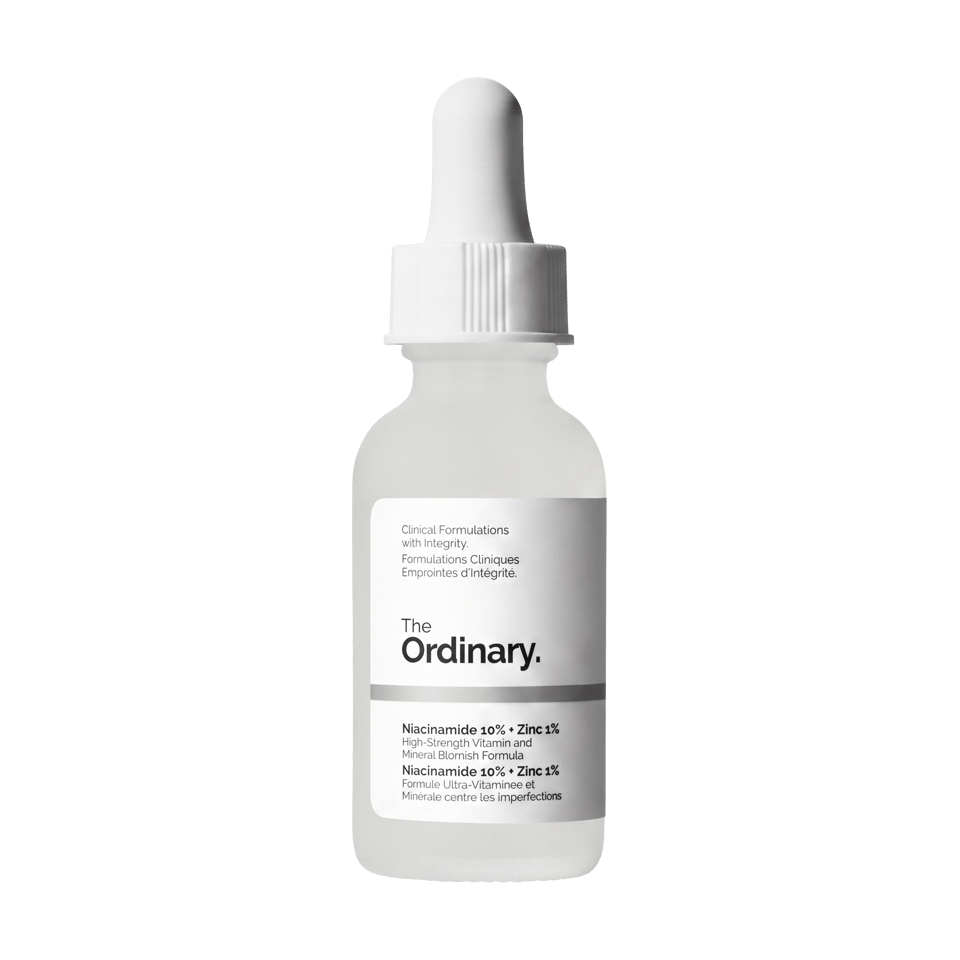
The Ordinary Niacinamide 10% + Zinc 1%
This page contains affiliate links. As an Amazon Associate I earn from qualifying purchases.
Formulation analysis
A high-strength, water-based niacinamide serum with 1% zinc PCA, sold at a price that made the ingredient mainstream. The formula is deliberately minimal, which is both its strength and the reason some people find it uncomfortable.
Our verdict
Worth it if your skin is oily, resilient, and you want the cheapest credible niacinamide on the shelf. Skip it if you flush easily or layer silicone-rich products — 10% is above the 4-5% most studies use, and this formula is the one people mean when they complain about niacinamide pilling.
From research to routine
Where this fits in your routine
Answer three quiet questions and we will place this decision inside a full morning and evening routine for oily, congested skin — in order, with what to skip.
A Lumen Ritual tool • built with AI
Build my AM & PM routineThe Ritual Lab reads the bottles you already own and tells you what this one would replace, move, or clash with. The Quiz is if you are starting from zero. The Ritual Lab is if the bottles are already there.
A Lumen Ritual workspace · built with Grok
Open The Ritual LabWhat it does well
A well-documented active at a price that removes any reason to hesitate, in a formula short enough that you can isolate a reaction to a single ingredient.
Where it falls short
The 10% strength buys irritation risk rather than extra benefit, the tacky finish pills under silicone sunscreens, and the dropper exposes the serum to air every time you use it.
- Key actives
- 10% niacinamide, 1% zinc PCA
- Texture
- Water-thin, slightly tacky as it dries
- Fragrance
- Fragrance-free, oil-free, vegan
- Best for
- Oily, congested skin and post-acne marks
- Size and price band
- 30 ml · Budget-friendly
Why this one for you: A well-documented active at a price that removes any reason to hesitate, in a formula short enough that you can isolate a reaction to a single ingredient.
Worth it if your skin is oily, resilient, and you want the cheapest credible niacinamide on the shelf. Skip it if you flush easily or layer silicone-rich products — 10% is above the 4-5% most studies use, and this formula is the one people mean when they complain about niacinamide pilling.
How we assessed this product
Maria Alejandra has not used this product herself, so there are no wear or results claims here. This is an independent formulation analysis: we read the full INCI list, check the disclosed active concentration and vehicle, and cross-check each active against peer-reviewed dermatology literature and the consensus positions of dermatology bodies. We note fragrance and common sensitizers, packaging suitability for light- or air-sensitive actives, and price per use. Claims the brand has not substantiated are reported as claims. Nothing here is sponsored or gifted, and no commission changes a verdict.
Key ingredients
- Niacinamide 10%
- Above the 2–5% used in most published barrier and sebum studies. Higher is not clearly better, and 10% raises the chance of a warm flushing response in sensitive skin.
- Zinc PCA 1%
- Included for sebum regulation. Evidence is modest; it also contributes to the formula's slightly tacky feel.
Texture and finish
Thin, water-light, and mildly tacky as it dries. Layering it under a heavy cream or a silicone-rich SPF can cause pilling, which is the most common complaint about this product.
| Skin type | How it feels | Verdict |
|---|---|---|
| Dry | Tacky, slightly tightening | Usable, but a hydrating serum serves you better |
| Normal | Light, dries down quickly | Fine once daily; watch for pilling |
| Combination | Mattifies the T-zone | Strong pick — apply to the oily zones |
| Oily | Noticeably less midday shine | Best case — this is the target skin type |
| Sensitive / reactive | Warm flush within minutes for some | Skip — use a 4-5% niacinamide instead |
| Acne-prone | Absorbs clean, no residue | Good supporting act next to a retinoid |
It suits you if
- Your skin is oily and you want to reduce midday shine
- You have post-acne marks and want a low-cost addition to your routine
- You tolerate high-percentage niacinamide without flushing
- You want one active in one bottle with nothing else in it
Skip it if
- You have rosacea or flush easily — use a 4–5% niacinamide instead
- You layer several silicone-based products and struggle with pilling
- Your skin is dry and you want a hydrating serum rather than an oil-control one
Pros
- Extremely low cost for a well-documented active
- Fragrance-free, oil-free, and vegan
- Simple formula makes it easy to isolate a reaction
Cons
- 10% is above the strength most studies use
- Tacky finish and a real tendency to pill
- Dropper packaging exposes the formula to air

What I'd buy instead
If this one is not the right fit, these are the products I would look at next, and the reason for each.
- Paula's Choice 10% Niacinamide Booster
- A better-buffered niacinamide if 10% leaves your skin flushed or grainy-feeling.
- Vichy Minéral 89 Hyaluronic Acid Booster
- If what you actually want is a light hydrating layer rather than an oil-control active.
The complaints people actually make
These are the recurring criticisms in published customer reviews, with what the formula explains about each one.
- It pills under my sunscreen.
- This is the most common complaint and it is a formulation trait. The serum dries tacky, and silicone-heavy sunscreens roll on top of that film. Use two or three drops on damp skin, wait a full 60 seconds, then press the next layer on instead of rubbing.
- It made my face red and hot.
- Niacinamide flushing is dose-related, and 10% is roughly double what most published barrier studies use. That reaction is not an allergy in most cases — it usually resolves on a 4-5% product at the same benefit level.
- It broke me out.
- The formula is oil-free and non-comedogenic by composition, so breakouts here are usually from stacking it with other actives or from the tacky layer trapping heavier products above it. Simplify the routine for two weeks and reintroduce it alone.
- It turned yellow / smells off.
- The dropper design lets air into the bottle at every use. Color drift over months is oxidation of the formula, not contamination, but it is a sign to replace the bottle.
- I saw no change in my dark marks.
- Niacinamide works slowly on post-inflammatory pigmentation — published timelines run eight to twelve weeks, and only alongside daily sunscreen. Without SPF, new pigment outpaces anything a serum can fade.
How to use it
- 1A few drops on clean, dry skin before heavier serums and moisturizer.
- 2Once daily to start; twice only if you have no flushing.
- 3If it pills, apply to damp skin and wait 60 seconds before the next layer.
Where it fits in a routine
Morning, after cleansing and before moisturizer and SPF; or at night before a retinoid, where it helps reduce irritation.
Frequently asked
- Is 10% niacinamide too strong?
- For many people, yes. Most research on barrier function and sebum sits at 2-5%. Ten percent is not more effective in a way studies show, but it does raise the odds of flushing and stinging, especially on rosacea-prone skin.
- Can you use niacinamide with vitamin C?
- Yes. The old warning came from a 1960s study on raw ingredients under heat, not on modern formulas. If you get flushing, apply vitamin C in the morning and niacinamide at night.
- Why does The Ordinary niacinamide pill?
- The zinc and the water-thin base dry to a slightly tacky film that silicone products slide over. Fewer drops, damp skin, and a 60-second wait before the next layer solves it for most people.
- Can I use it with retinol?
- Yes, and it is a useful pairing — niacinamide applied first can reduce the irritation of the retinoid that follows. Let each layer settle before applying the next.
- How long before it works?
- Oil control is often noticeable within two to four weeks. Post-acne marks take eight to twelve weeks and require daily sunscreen to hold the gain.
- Is it safe during pregnancy?
- Niacinamide is generally regarded as pregnancy-safe and is a common substitute for retinoids and high-strength acids. Check with your own doctor about your full routine.
More breakdowns
Reader feedback
Was this review helpful?
References and sources
Evidence reviewed: Cosmetic Ingredient Review; American Academy of Dermatology. Last read in full August 2026 by Maria Alejandra.
Ingredient behavior, tested concentrations, and safety guidance come from the sources below. Which specific product we suggest, the order we put steps in, and how gently we ramp a routine up are our own editorial judgement — useful, but not clinical evidence, and never a substitute for a dermatologist who can see your skin.
- 1.Cosmetic ingredient safety assessments — Cosmetic Ingredient Review
- 2.Acne: diagnosis and treatment — American Academy of Dermatology
- 3.Skin care tips dermatologists use — American Academy of Dermatology
This breakdown is based on publicly available ingredient lists and manufacturer information.