
Vitamin C serum
Timeless 20% Vitamin C + E Ferulic Serum
This page contains affiliate links. As an Amazon Associate I earn from qualifying purchases.
Formulation analysis
A 20% L-ascorbic acid serum with vitamin E and ferulic acid — the same three-active combination used in the most-cited antioxidant serum formulations, at a fraction of the price. The trade-off is stability: this is a fresh product that needs replacing.
Our verdict
Worth it if you want the C + E + ferulic combination without a three-figure price and you will actually finish the bottle in three months. Skip it if your skin is reactive or rosacea-prone — 20% L-ascorbic acid at low pH stings, and a THD ascorbate derivative gives you antioxidant benefit without the burn.
From research to routine
Where this fits in your routine
Answer three quiet questions and we will place this decision inside a full morning and evening routine for dull skin with uneven tone — in order, with what to skip.
A Lumen Ritual tool • built with AI
Build my AM & PM routineThe Ritual Lab reads the bottles you already own and tells you what this one would replace, move, or clash with. The Quiz is if you are starting from zero. The Ritual Lab is if the bottles are already there.
A Lumen Ritual workspace · built with Grok
Open The Ritual LabWhat it does well
The same three-active combination as the most-cited antioxidant serums, at roughly a fifth of the price, in a light base that layers cleanly under sunscreen.
Where it falls short
It oxidizes on a real timetable, the low pH stings compromised skin, and the smell becomes unpleasant as the bottle ages.
- Key actives
- 20% L-ascorbic acid, vitamin E, ferulic acid
- Texture
- Thin, watery, absorbs fast
- Fragrance
- No added fragrance; formula has a distinct odor
- Best for
- Dullness, uneven tone, daytime antioxidant support
- Shelf life
- About three months once opened
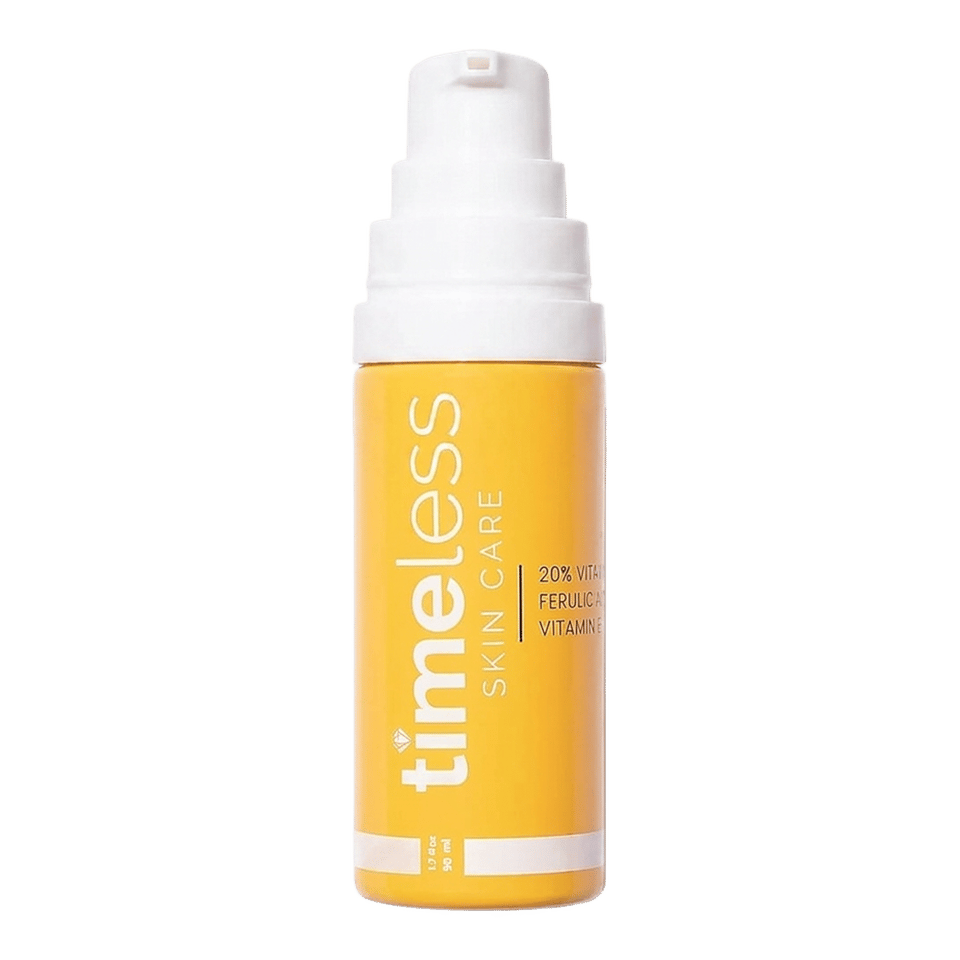
Why this one for you: The same three-active combination as the most-cited antioxidant serums, at roughly a fifth of the price, in a light base that layers cleanly under sunscreen.
Worth it if you want the C + E + ferulic combination without a three-figure price and you will actually finish the bottle in three months. Skip it if your skin is reactive or rosacea-prone — 20% L-ascorbic acid at low pH stings, and a THD ascorbate derivative gives you antioxidant benefit without the burn.
How we assessed this product
Maria Alejandra has not used this product herself, so there are no wear or results claims here. This is an independent formulation analysis: we read the full INCI list, check the disclosed active concentration and vehicle, and cross-check each active against peer-reviewed dermatology literature and the consensus positions of dermatology bodies. We note fragrance and common sensitizers, packaging suitability for light- or air-sensitive actives, and price per use. Claims the brand has not substantiated are reported as claims. Nothing here is sponsored or gifted, and no commission changes a verdict.
Key ingredients
- L-ascorbic acid 20%
- The most-studied form of topical vitamin C. Requires low pH to penetrate, which is also why it stings on compromised skin.
- Vitamin E (tocopherol)
- Works synergistically with ascorbic acid; the pairing is better documented than either alone.
- Ferulic acid
- Stabilizes the C+E combination and extends its antioxidant activity.
- Sodium hyaluronate
- Offsets some of the dryness a high-percentage acid serum can cause.
Texture and finish
Thin and watery with a faint hot-dog-water note that some batches develop as they oxidize. It absorbs quickly and layers well, though it can pill under thick sunscreen.
| Skin type | How it feels | Verdict |
|---|---|---|
| Dry | Thin and slightly drying alone | Fine if you follow with a richer cream |
| Normal | Absorbs clean, no residue | Strong pick for morning use |
| Combination | Light, no added shine | Works well under sunscreen |
| Oily | Weightless, matte-leaning | Best case — no heaviness at all |
| Sensitive / reactive | Stings on application | Skip — choose a THD ascorbate instead |
| Acne-prone | Non-greasy, can sting active lesions | Usable; avoid on broken skin |
It suits you if
- You want the C+E+ferulic combination without a three-figure price
- Your primary concerns are uneven tone, dullness, or photoprotection support
- Your skin tolerates low-pH products
Skip it if
- Your skin is reactive or rosacea-prone — a THD ascorbate derivative is gentler
- You will not finish a bottle within about three months
- You are new to actives and already using a retinoid
Pros
- Well-known active trio at an accessible price
- Lightweight and easy to layer in the morning
- Noticeably boosts the value of daily sunscreen use
Cons
- Oxidizes — turns yellow then brown, and should be replaced when it does
- Low pH can sting on sensitive or freshly exfoliated skin
- Scent is not pleasant, and worsens with age
What I'd buy instead
If this one is not the right fit, these are the products I would look at next, and the reason for each.
- SkinCeuticals C E Ferulic
- The original formula this one is modelled on, with published stability data behind it — the reason to pay the difference.
- The Ordinary Ascorbyl Glucoside Solution 12%
- A gentler, more stable derivative if L-ascorbic acid stings or oxidizes before you finish the bottle.
The complaints people actually make
These are the recurring criticisms in published customer reviews, with what the formula explains about each one.
- It turned orange after a few weeks.
- L-ascorbic acid oxidizes on contact with air, light, and heat — the color shift is the chemistry working exactly as expected. Store it dark and cool, and treat a deep orange or brown bottle as spent rather than merely aged.
- It smells like hot dog water.
- That note comes from the ferulic acid and the sulphur-adjacent breakdown products of the base, and it intensifies with oxidation. It is characteristic of nearly every 20% L-ascorbic acid serum at this pH, not a spoiled batch on its own.
- It stings my face.
- Penetration requires a pH under 3.5, and that acidity is what you are feeling. Sustained burning means your barrier is compromised — pause, repair, and restart every other day, or move to a derivative form.
- It pills under my sunscreen.
- The watery base needs to dry down completely before a silicone-rich SPF goes over it. Wait 60 to 90 seconds and press the sunscreen on rather than rubbing.
- The bottle does not last long enough.
- Three months of stability is the trade-off for using pure L-ascorbic acid rather than a shelf-stable derivative. Buying a single 1 oz bottle at a time, rather than stocking up, matches use to shelf life.
How to use it
- 1Morning only, on clean dry skin, before moisturizer and SPF.
- 2Start every other day if you are new to vitamin C.
- 3Store away from light and heat; refrigerate if you live somewhere warm.
Where it fits in a routine
First serum step in the morning routine, always followed by sunscreen.
Frequently asked
- How do I know when my vitamin C serum has gone bad?
- Color is the tell. Clear to pale straw is fine, deep yellow is on the way out, and orange or brown means the ascorbic acid has largely converted and should be replaced.
- Should I refrigerate it?
- It helps, particularly in a warm climate or a steamy bathroom. Heat and light accelerate oxidation more than anything else.
- Can I use vitamin C and retinol together?
- Use vitamin C in the morning and the retinoid at night. Both work at different pH ranges and stacking them in one sitting mostly buys irritation.
- Can I use it with niacinamide?
- Yes. The incompatibility claim comes from unformulated ingredients under heat. If you get flushing, separate them into morning and evening.
- How long until I see a difference in tone?
- Antioxidant protection begins immediately but is invisible. Visible tone and brightness changes typically take eight to twelve weeks of daily use paired with sunscreen.
- Is it safe during pregnancy?
- Vitamin C is generally considered pregnancy-safe and is a common replacement for retinoids in a brightening routine. Confirm your routine with your own doctor.
More breakdowns
Reader feedback
Was this review helpful?
References and sources
Evidence reviewed: Cosmetic Ingredient Review; American Academy of Dermatology. Last read in full August 2026 by Maria Alejandra.
Ingredient behavior, tested concentrations, and safety guidance come from the sources below. Which specific product we suggest, the order we put steps in, and how gently we ramp a routine up are our own editorial judgement — useful, but not clinical evidence, and never a substitute for a dermatologist who can see your skin.
- 1.Cosmetic ingredient safety assessments — Cosmetic Ingredient Review
- 2.Skin care tips dermatologists use — American Academy of Dermatology
- 3.Sunscreen FAQs — American Academy of Dermatology
This breakdown is based on publicly available ingredient lists and manufacturer information.