Exfoliant
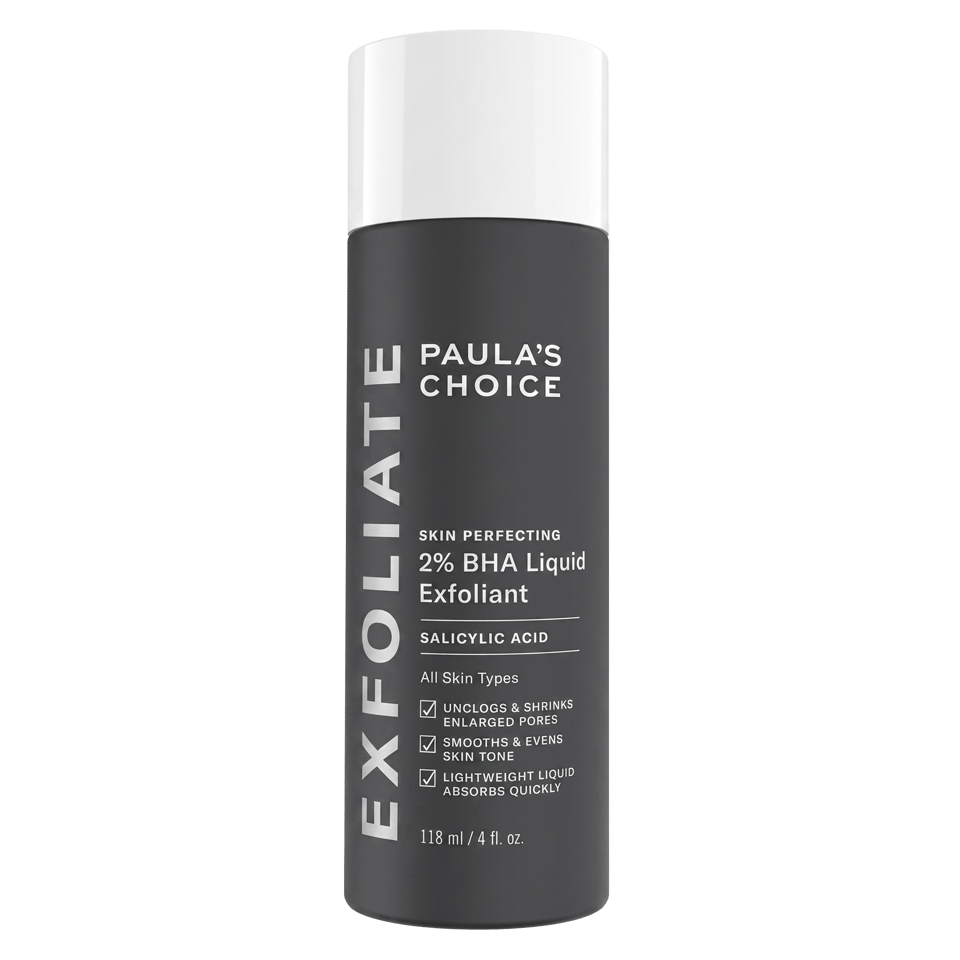
Paula's Choice SKIN PERFECTING 2% BHA Liquid Exfoliant
This page contains affiliate links. As an Amazon Associate I earn from qualifying purchases.
Formulation analysis
A 2% salicylic acid leave-on liquid at a pH around 3.6, with green tea extract and methylpropanediol to help penetration. It is oil-soluble, which is why it reaches into pores rather than only working across the surface.
Our verdict
For blackheads and congestion on oily or combination skin, this is the well-formulated version of a 2% BHA: correct strength, sensible pH, fragrance-free, and flexible on frequency. It is priced well above equivalent 2% BHAs, so buy it if the texture and tolerance suit you, not because the concentration is unique.
From research to routine
Where this fits in your routine
Answer three quiet questions and we will place this decision inside a full morning and evening routine for your skin — in order, with what to skip.
A Lumen Ritual tool • built with AI
Build my AM & PM routineThe Ritual Lab reads the bottles you already own and tells you what this one would replace, move, or clash with. The Quiz is if you are starting from zero. The Ritual Lab is if the bottles are already there.
A Lumen Ritual workspace · built with Grok
Open The Ritual LabWhat it does well
The reference 2% BHA — reaches into pores, fragrance-free, adjustable frequency.
Where it falls short
Costs several times what an equivalent BHA does, and the first weeks can look worse.
- Best for
- Blackheads and congestion on oily or combination skin
- Texture
- Thin, slippery liquid
- Fragrance
- None
- Actives
- Salicylic acid 2%
- Size and price band
- 118 ml · Mid-range
- Use it
- PM, 2–7 nights a week depending on tolerance
Why this one for you: The reference 2% BHA — reaches into pores, fragrance-free, adjustable frequency.
For blackheads and congestion on oily or combination skin, this is the well-formulated version of a 2% BHA: correct strength, sensible pH, fragrance-free, and flexible on frequency. It is priced well above equivalent 2% BHAs, so buy it if the texture and tolerance suit you, not because the concentration is unique.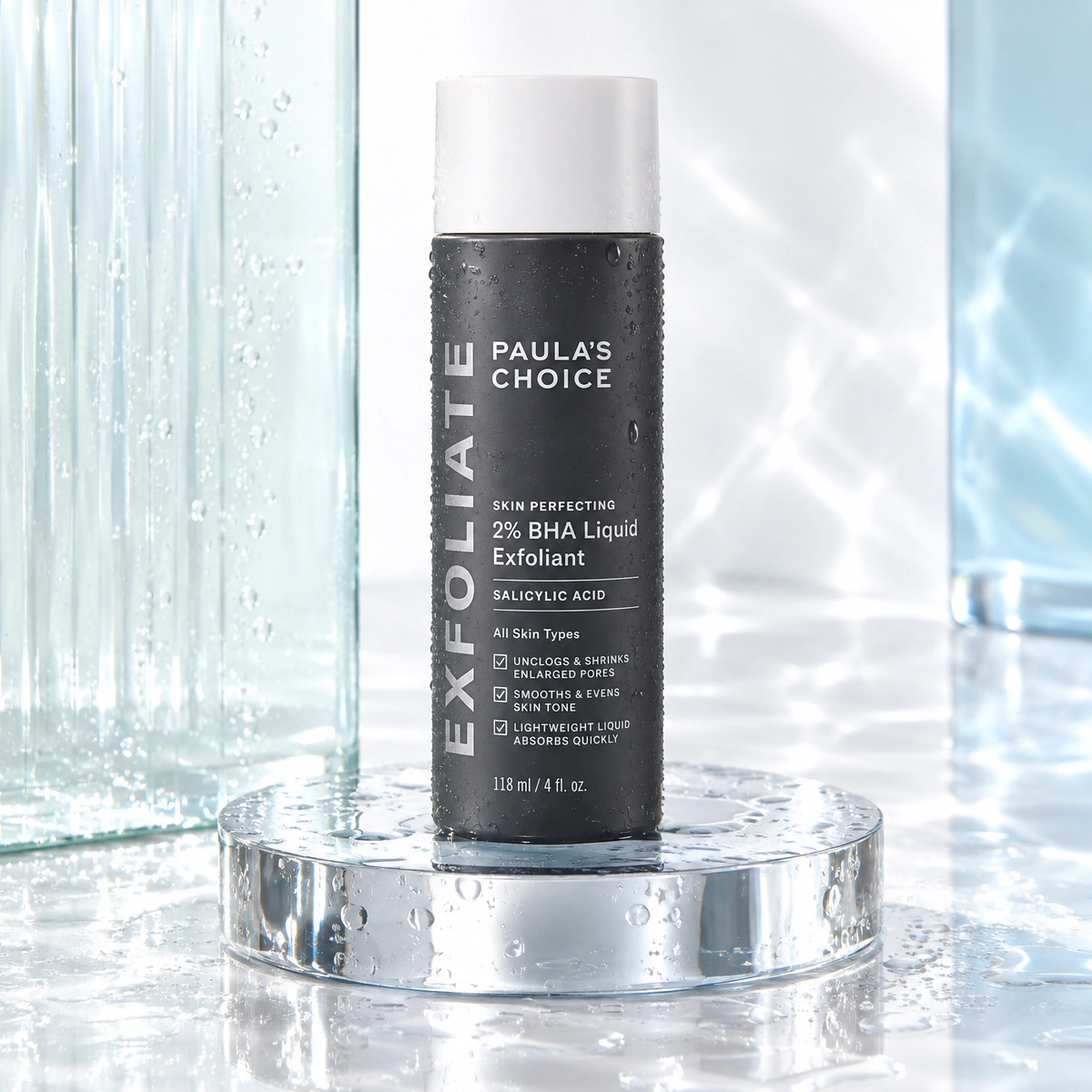
How we assessed this product
Maria Alejandra has not used this product herself, so there are no wear or results claims here. This is an independent formulation analysis: we read the full INCI list, check the disclosed active concentration and vehicle, and cross-check each active against peer-reviewed dermatology literature and the consensus positions of dermatology bodies. We note fragrance and common sensitizers, packaging suitability for light- or air-sensitive actives, and price per use. Claims the brand has not substantiated are reported as claims. Nothing here is sponsored or gifted, and no commission changes a verdict.
Key ingredients
- Salicylic acid 2%
- Oil-soluble BHA, commonly used for blackheads, congestion and closed comedones. 2% is the highest over-the-counter leave-on strength in the US.
- Green tea extract
- Antioxidant included to offset some of the irritation potential of the acid.
- Methylpropanediol
- Solvent that improves how evenly the acid is delivered across the skin.
Texture and finish
Thin, slightly slippery liquid. Applied with hands or a pad; no rinse.
Is Paula's Choice 2% BHA good for your skin type?
It suits oily, combination and congestion-prone skin, where an oil-soluble acid can reach the pore lining. Dry or sensitive skin usually does better with a gentler PHA or a lactic acid used weekly.
| Skin type | How it feels | Verdict |
|---|---|---|
| Oily | Matte after absorbing | Best case |
| Combination | Even | Use on the T-zone |
| Normal | Smooth | Fine two nights a week |
| Dry | Can feel tight | Usually the wrong acid |
| Sensitive / reactive | May sting | Patch test, or skip |
| Acne-prone | Clean | Strong pick for comedonal acne |
It suits you if
- You have blackheads, congestion or bumpy texture on the nose, chin or forehead
- Your skin is oily or combination
- Physical scrubs have irritated you in the past
Skip it if
- Your skin is dry and flaking rather than congested
- You are sensitive to salicylates
- You already use a nightly retinoid and cannot fit another active
Pros
- Reaches into pores where AHAs do not
- Fragrance-free and well tolerated by many oily and acne-prone users
- Flexible frequency — from twice weekly to daily on resilient skin
Cons
- Expensive relative to other 2% BHAs
- The initial weeks can bring congestion to the surface
- Slippery texture takes getting used to
What I'd buy instead
If this one is not the right fit, these are the products I would look at next, and the reason for each.
- The Ordinary Glycolic Acid 7% Toning Solution
- A cheaper exfoliating route when your concern is surface dullness and rough texture rather than blackheads.
- Differin Adapalene Gel 0.1%
- For inflammatory acne rather than congestion, an over-the-counter retinoid has the stronger evidence base.
The complaints people actually make
These are the recurring criticisms in published customer reviews, with what the formula explains about each one.
- "It broke me out at first."
- Salicylic acid clears the pore lining, so congestion that was already forming surfaces sooner. If breakouts are still increasing after six to eight weeks, the frequency is too high or the product is not right for you.
- "It is overpriced."
- Reasonable. The concentration is not unique; the formulation quality and consistency are what you are paying for. Cheaper 2% BHAs exist and work.
How to use it
- 1Use as directed after cleansing and before moisturizer; start cautiously and adjust frequency to tolerance.
- 2Leave on — no rinsing, and no other acid on the same night.
- 3Moisturize afterwards, and use sunscreen every morning.
Where it fits in a routine
The treatment step on non-retinoid evenings, in an oily or congestion-prone routine.
Frequently asked
- Can I use Paula's Choice 2% BHA every day?
- Some oily skin tolerates more frequent use, but follow the product label and increase only while your skin stays comfortable.
- BHA or AHA — which should I use?
- BHA for blackheads, congestion and oily skin, because it is oil-soluble. AHA for surface dullness and rough texture on drier skin.
- Can I use it with retinol?
- Using both in one routine may increase irritation. Separate them while building tolerance if needed; this is a comfort strategy rather than a chemical rule.
More breakdowns
Reader feedback
Was this review helpful?
References and sources
Evidence reviewed: American Academy of Dermatology; U.S. Food & Drug Administration; Cosmetic Ingredient Review. Last read in full August 2026 by Maria Alejandra.
Ingredient behavior, tested concentrations, and safety guidance come from the sources below. Which specific product we suggest, the order we put steps in, and how gently we ramp a routine up are our own editorial judgement — useful, but not clinical evidence, and never a substitute for a dermatologist who can see your skin.
- 1.Acne: diagnosis and treatment — American Academy of Dermatology
- 2.Understanding over-the-counter medicines — U.S. Food & Drug Administration
- 3.Cosmetic ingredient safety assessments — Cosmetic Ingredient Review
This breakdown is based on publicly available ingredient lists and manufacturer information.