Exfoliant
The Ordinary Glycolic Acid 7% Toning Solution
This page contains affiliate links. As an Amazon Associate I earn from qualifying purchases.
Formulation analysis
A 7% glycolic acid rinse-off-free toner at a low pH, with aloe, ginseng and Tasmanian pepperberry included to take the edge off. It is the cheapest way to try a leave-on AHA, and also the easiest one to overuse.
Our verdict
If your skin is normal to oily, tolerates acids, and looks rough or dull, this is a strong glycolic formula for the price. Follow the label, use sun protection, and reduce frequency if irritation develops. Sensitive or reactive skin may prefer a gentler exfoliant.
From research to routine
Where this fits in your routine
Answer three quiet questions and we will place this decision inside a full morning and evening routine for your skin — in order, with what to skip.
A Lumen Ritual tool • built with AI
Build my AM & PM routineThe Ritual Lab reads the bottles you already own and tells you what this one would replace, move, or clash with. The Quiz is if you are starting from zero. The Ritual Lab is if the bottles are already there.
A Lumen Ritual workspace · built with Grok
Open The Ritual LabWhat it does well
A genuinely active AHA at an entry price, good for dullness and rough texture.
Where it falls short
Stings, is easy to overuse, and is a poor fit for sensitive or reactive skin.
- Best for
- Normal to oily skin with rough texture
- Texture
- Water-thin toner
- Fragrance
- None added
- Actives
- Glycolic acid 7%
- Size and price band
- 240 ml · Budget-friendly
- Use it
- PM only, 1–2 nights a week
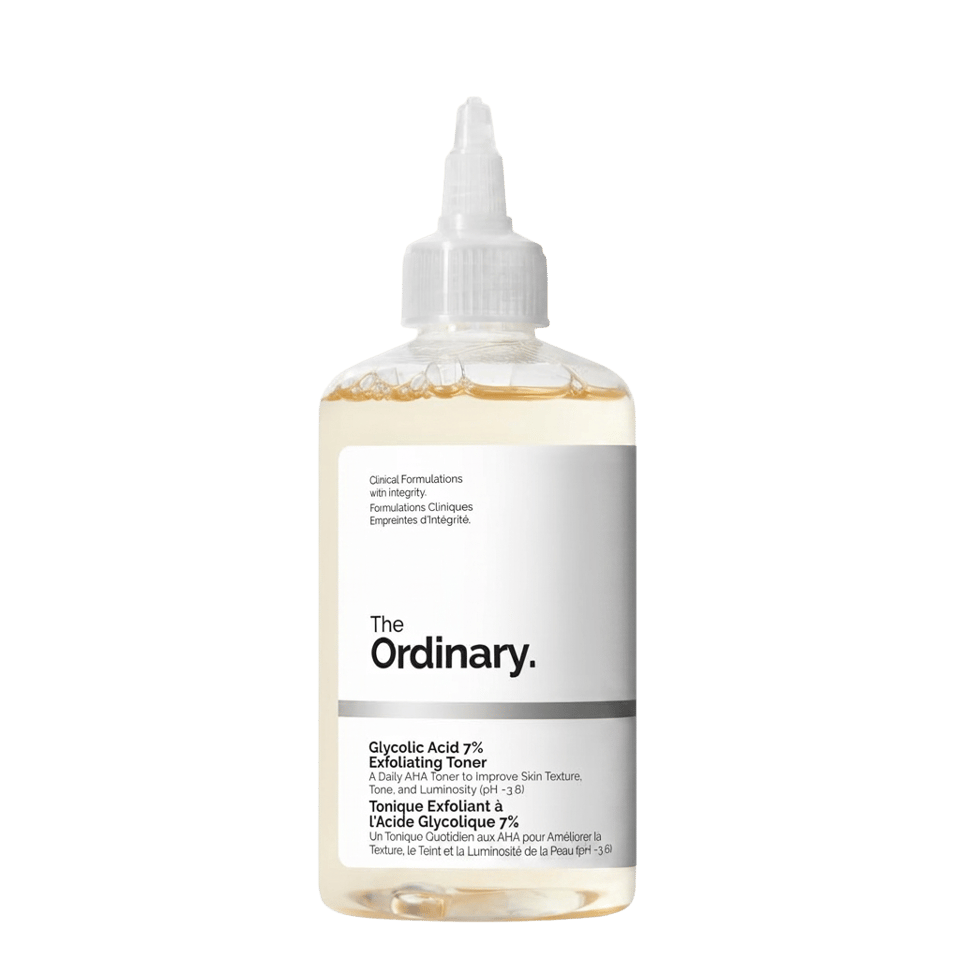
Why this one for you: A genuinely active AHA at an entry price, good for dullness and rough texture.
If your skin is normal to oily, tolerates acids, and looks rough or dull, this is a strong glycolic formula for the price. Follow the label, use sun protection, and reduce frequency if irritation develops. Sensitive or reactive skin may prefer a gentler exfoliant.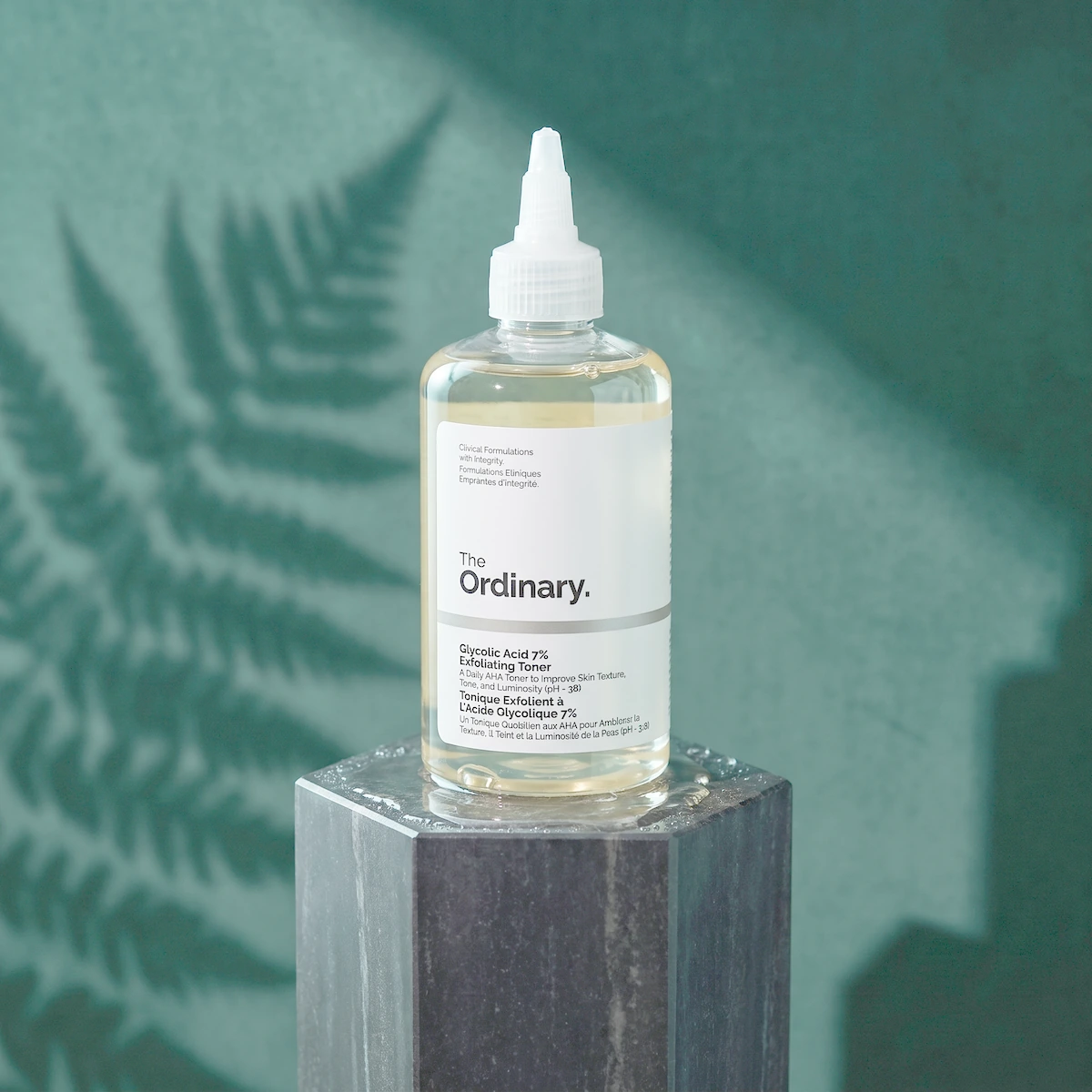
How we assessed this product
Maria Alejandra has not used this product herself, so there are no wear or results claims here. This is an independent formulation analysis: we read the full INCI list, check the disclosed active concentration and vehicle, and cross-check each active against peer-reviewed dermatology literature and the consensus positions of dermatology bodies. We note fragrance and common sensitizers, packaging suitability for light- or air-sensitive actives, and price per use. Claims the brand has not substantiated are reported as claims. Nothing here is sponsored or gifted, and no commission changes a verdict.
Key ingredients
- Glycolic acid 7%
- The smallest AHA molecule, so it penetrates quickly. Commonly used for surface texture and dullness; the low pH is what makes it work and also what makes it sting.
- Tasmanian pepperberry
- Included to reduce the sensation of acid stinging, not to change the exfoliation.
- Aloe and ginseng
- Soothing and humectant support in the water base.
Texture and finish
Watery, alcohol-free liquid applied on a cotton pad or pressed in with palms.
Is The Ordinary Glycolic Acid 7% good for your skin type?
It suits normal, oily and non-reactive combination skin looking at texture and dullness, used one or two evenings a week. Sensitive, rosacea-prone or barrier-damaged skin should not use it — the pH is low and the concentration is not adjustable.
| Skin type | How it feels | Verdict |
|---|---|---|
| Oily | Clean, matte | Good fit, 1–2 nights weekly |
| Combination | Slight tingle | Fine on the T-zone |
| Normal | Smooth | Fine weekly |
| Dry | Can feel tight | Lactic acid is the better AHA here |
| Sensitive / reactive | Stings | Skip |
| Acne-prone | Clean | A BHA usually suits congestion better |
It suits you if
- Your skin is normal to oily with rough texture or dullness
- You have tolerated an AHA before
- You want an inexpensive way to add one exfoliating night a week
Skip it if
- Your skin is sensitive, rosacea-prone or currently compromised
- You already use a retinoid nightly and have no free evenings
- You cannot commit to daily sunscreen
Pros
- Effective AHA concentration at a very low price
- No added fragrance in the current formulation
- Easy to slot in as a once- or twice-weekly evening step
Cons
- Low pH stings on compromised skin
- Very easy to overuse and damage the barrier
- Not suitable alongside other acids or a retinoid on the same night
What I'd buy instead
If this one is not the right fit, these are the products I would look at next, and the reason for each.
- Paula's Choice SKIN PERFECTING 2% BHA Liquid Exfoliant
- If your concern is blackheads and congestion rather than surface dullness, an oil-soluble BHA reaches into the pore where an AHA does not.
- The Ordinary Lactic Acid 10% + HA
- A larger, slower AHA molecule with hyaluronic acid alongside it — the sensible swap when 7% glycolic acid stings on drier skin.
The complaints people actually make
These are the recurring criticisms in published customer reviews, with what the formula explains about each one.
- "It burned my face."
- A brief tingle is expected at this pH; sustained burning is not. That usually means the barrier was already compromised, or it was layered with a retinoid or another acid. Stop, rebuild with a plain ceramide cream, and reintroduce weekly at most.
- "It made me break out."
- Glycolic acid speeds surface turnover, which can bring congestion up sooner. If it persists past a few weeks, the exfoliation frequency is too high for your skin.
How to use it
- 1Use according to the product directions, commonly in the evening; start cautiously and adjust to tolerance.
- 2Do not use with a retinoid, another acid or benzoyl peroxide on the same night.
- 3Follow with a barrier moisturizer, and wear SPF every morning.
Where it fits in a routine
One or two evenings a week in place of your usual treatment step, in a routine that already has a stable moisturizer and daily sunscreen.
Frequently asked
- How often should I use The Ordinary Glycolic Acid 7%?
- Start with one evening a week and go no higher than two or three if your skin stays calm. Daily use is where most barrier damage from this product comes from.
- Can I use it with retinol?
- Not on the same night. Alternate evenings, and skip the acid entirely on nights when your skin feels tight or looks pink.
- Do I need sunscreen with it?
- Yes. AHAs increase sun sensitivity, so daily broad-spectrum SPF is part of using this product at all.
More breakdowns
Reader feedback
Was this review helpful?
References and sources
Evidence reviewed: American Academy of Dermatology; Cosmetic Ingredient Review. Last read in full August 2026 by Maria Alejandra.
Ingredient behavior, tested concentrations, and safety guidance come from the sources below. Which specific product we suggest, the order we put steps in, and how gently we ramp a routine up are our own editorial judgement — useful, but not clinical evidence, and never a substitute for a dermatologist who can see your skin.
- 1.10 skin care secrets for healthier-looking skin — American Academy of Dermatology
- 2.Cosmetic ingredient safety assessments — Cosmetic Ingredient Review
- 3.Sunscreen FAQs — American Academy of Dermatology
This breakdown is based on publicly available ingredient lists and manufacturer information.