Hydrating serum
The Ordinary Hyaluronic Acid 2% + B5
This page contains affiliate links. As an Amazon Associate I earn from qualifying purchases.
Formulation analysis
A multi-molecular-weight hyaluronic acid serum with panthenol and, in the current formulation, added ceramides. It is a hydration step, not a treatment — its job is to hold water in the upper layers until a moisturizer seals it.
Our verdict
A few dollars for a competent multi-weight hyaluronic acid with panthenol and ceramides: worth it if your skin is dehydrated and you seal it with a moisturizer every time. It is not a moisturizer, it does not treat anything, and used on dry skin in dry air with nothing over it, it can leave you feeling tighter than before.
From research to routine
Where this fits in your routine
Answer three quiet questions and we will place this decision inside a full morning and evening routine for your skin — in order, with what to skip.
A Lumen Ritual tool • built with AI
Build my AM & PM routineThe Ritual Lab reads the bottles you already own and tells you what this one would replace, move, or clash with. The Quiz is if you are starting from zero. The Ritual Lab is if the bottles are already there.
A Lumen Ritual workspace · built with Grok
Open The Ritual LabWhat it does well
Cheap, fragrance-free hydration that layers well and buffers retinoids.
Where it falls short
Tacky, easy to over-apply, and useless without a moisturizer on top.
- Best for
- Dehydrated skin of any type
- Texture
- Clear gel-serum, briefly tacky
- Fragrance
- None
- Actives
- None — HA, panthenol, ceramides
- Size and price band
- 30 ml dropper · Budget-friendly
- Use it
- AM and PM, on damp skin
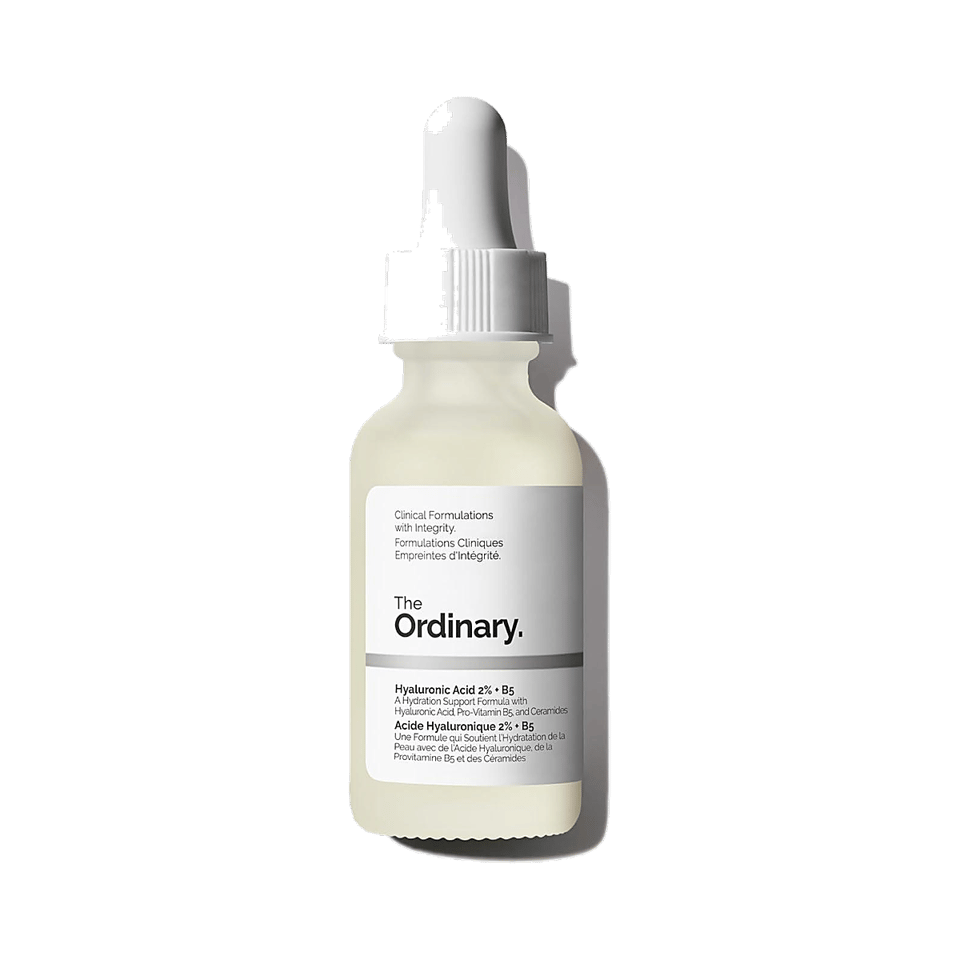
Why this one for you: Cheap, fragrance-free hydration that layers well and buffers retinoids.
A few dollars for a competent multi-weight hyaluronic acid with panthenol and ceramides: worth it if your skin is dehydrated and you seal it with a moisturizer every time. It is not a moisturizer, it does not treat anything, and used on dry skin in dry air with nothing over it, it can leave you feeling tighter than before.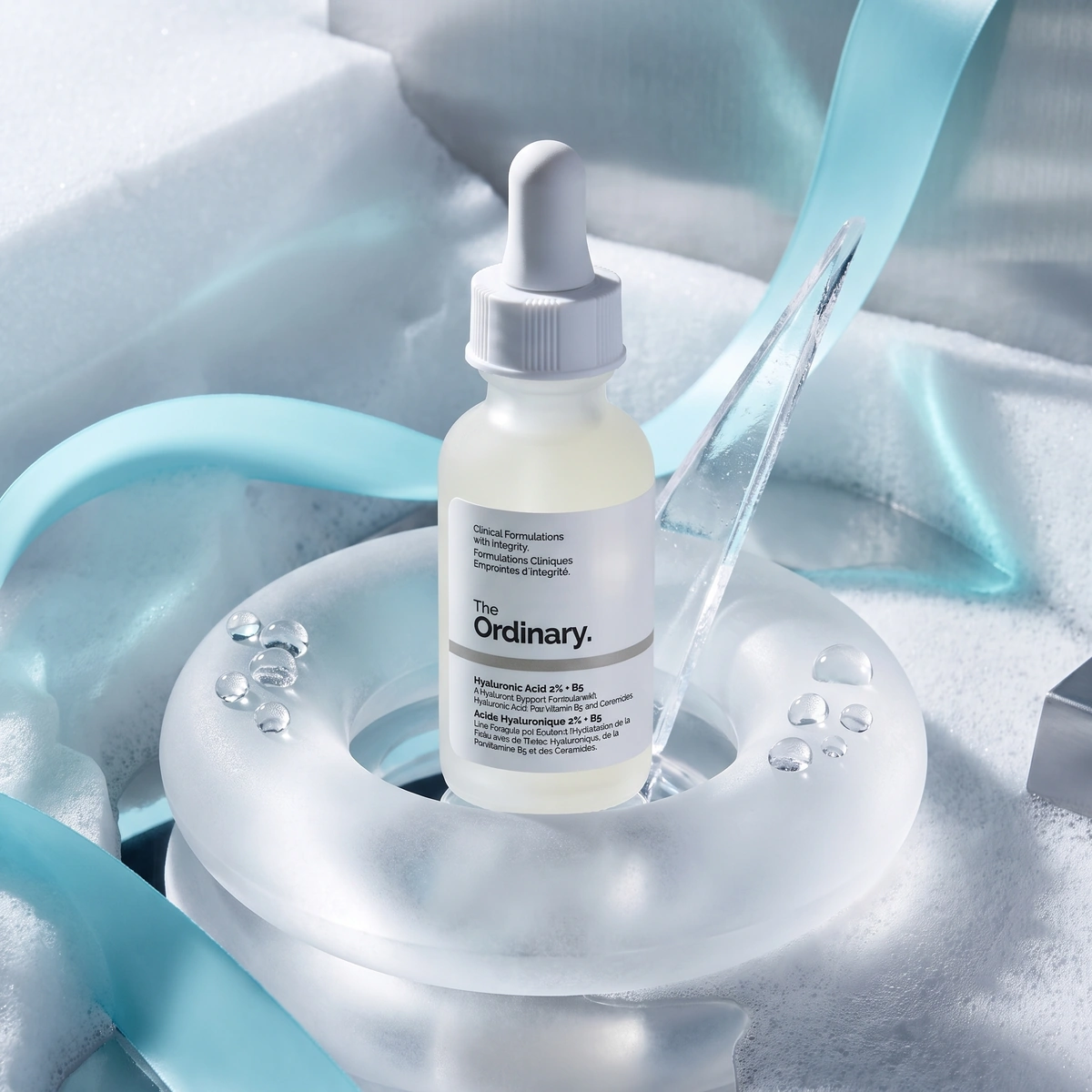
How we assessed this product
Maria Alejandra has not used this product herself, so there are no wear or results claims here. This is an independent formulation analysis: we read the full INCI list, check the disclosed active concentration and vehicle, and cross-check each active against peer-reviewed dermatology literature and the consensus positions of dermatology bodies. We note fragrance and common sensitizers, packaging suitability for light- or air-sensitive actives, and price per use. Claims the brand has not substantiated are reported as claims. Nothing here is sponsored or gifted, and no commission changes a verdict.
Key ingredients
- Hyaluronic acid, multiple weights
- Different molecular sizes sit at different depths of the upper layers, which is why this reads as more than a surface film.
- Vitamin B5 (panthenol)
- Humectant and soothing agent, commonly used in barrier-support formulas.
- Ceramides
- Added in the reformulated version to give the hydration something to hold onto.
Texture and finish
Slightly viscous, clear gel-serum. Tacky for a minute, then dry to the touch under a moisturizer.
Is The Ordinary Hyaluronic Acid 2% + B5 good for your skin type?
It suits every skin type as a hydration step, because dehydration is a water problem rather than an oil problem. Oily skin can use it as the only layer under sunscreen; dry skin must seal it with a cream.
| Skin type | How it feels | Verdict |
|---|---|---|
| Oily | Light, slightly tacky | Often enough on its own in summer |
| Combination | Even | Good daily layer |
| Normal | Comfortable | Fine daily |
| Dry | Needs sealing | Use only under a cream |
| Sensitive / reactive | Calm | Safe — no actives |
| Acne-prone | Non-greasy | Good hydration without oils |
It suits you if
- Your skin feels dehydrated and looks flat rather than genuinely dry
- You want a hydration layer under a moisturizer or sunscreen
- You are on a retinoid and want a buffer step
Skip it if
- You live somewhere very dry and never seal it with a cream
- You dislike tacky textures
- You expected it to replace a moisturizer
Pros
- Very low cost for a well-formulated hydration step
- Fragrance-free and layers under almost anything
- Useful as a retinoid buffer
Cons
- Tacky if you use more than a few drops
- Needs a moisturizer over it in dry air, or it can leave skin feeling tighter
- Does nothing for lines, tone or acne
What I'd buy instead
If this one is not the right fit, these are the products I would look at next, and the reason for each.
- Vichy Mineral 89
- A more elegant, less tacky hydration step if the texture of this one bothers you and you do not mind paying more.
- CeraVe Moisturizing Cream
- If your skin is genuinely dry rather than dehydrated, a ceramide cream does more than a humectant serum ever will.
The complaints people actually make
These are the recurring criticisms in published customer reviews, with what the formula explains about each one.
- "It made my skin drier."
- Humectants pull water from wherever they can, including deeper skin, when the air is dry and nothing seals them. Apply to damp skin and put a moisturizer over it and this stops.
- "It pills under sunscreen."
- Almost always too much product, or not enough time. Two or three drops, pressed in, then wait a minute.
How to use it
- 1Apply two or three drops to damp skin, morning and night.
- 2Always follow with a moisturizer to seal it, especially in dry or cold air.
- 3Skip it directly under thick sunscreens if you find your SPF pilling.
Where it fits in a routine
The hydration layer straight after cleansing, before your cream — in either routine.
Frequently asked
- Should hyaluronic acid go on wet or dry skin?
- Damp skin, then a moisturizer immediately after. On bone-dry skin in dry air, a humectant has little water to work with.
- Can it replace my moisturizer?
- No. It holds water; it does not seal it. It needs an emollient or occlusive layer over it.
- Can I use it with vitamin C or retinol?
- Yes — it is one of the easiest things to layer, and it is often used as a buffer under a retinoid.
More breakdowns
Reader feedback
Was this review helpful?
References and sources
Evidence reviewed: American Academy of Dermatology; Cosmetic Ingredient Review. Last read in full August 2026 by Maria Alejandra.
Ingredient behavior, tested concentrations, and safety guidance come from the sources below. Which specific product we suggest, the order we put steps in, and how gently we ramp a routine up are our own editorial judgement — useful, but not clinical evidence, and never a substitute for a dermatologist who can see your skin.
- 1.Dry skin: diagnosis and treatment — American Academy of Dermatology
- 2.Cosmetic ingredient safety assessments — Cosmetic Ingredient Review
- 3.10 skin care secrets for healthier-looking skin — American Academy of Dermatology
This breakdown is based on publicly available ingredient lists and manufacturer information.