Lumen Ritual

Disclosure: Lumen Ritual is reader-supported. When you purchase skincare treatments through our recommendations, we may earn an affiliate commission from retailers at no extra cost to you.

Sensitive skin routine

Your personalized sensitive skin routine

The best skincare routine for sensitive skin: ranked picks, the full AM and PM order, ingredients to avoid, and how to add actives safely.

Written by Maria Alejandra, founder and editor · Last updated:

Independently researched and reviewed for accuracy. Read our editorial policy or how we research routines.

Disclaimer: Content on Lumen Ritual is for educational and cosmetic purposes only. Our routine builders are not replacements for professional medical diagnoses or dermatologist-prescribed treatment plans. Read the full policy

The short answer

The best skincare routine for sensitive skin is four fragrance-free steps: a mild cleanser, a soothing hydrating serum, a ceramide or panthenol moisturizer, and mineral SPF every morning. Add nothing else until skin is calm, introduce one active at a time, patch test for a week, and stop at the first sign of stinging.

Key takeaways

  • Sensitive skin does best on four fragrance-free steps: a mild cleanser, a soothing serum, a ceramide or panthenol moisturizer, and mineral SPF.
  • Mineral sunscreens using zinc oxide or titanium dioxide are typically better tolerated by sensitive skin than chemical filters.
  • Every new active should be patch tested on sensitive skin for about a week before it goes on the whole face.
  • Stinging on sensitive skin is a signal to stop the product, not a sign that it is working.

The sensitive-skin routine at a glance

Morning and evening routine steps for sensitive skin
StepMorningEvening
1CleanseCleanse
2SootheCalm
3MoisturizeTreat sparingly
4ProtectRepair

Full detail for each step is in the morning and evening sections below.

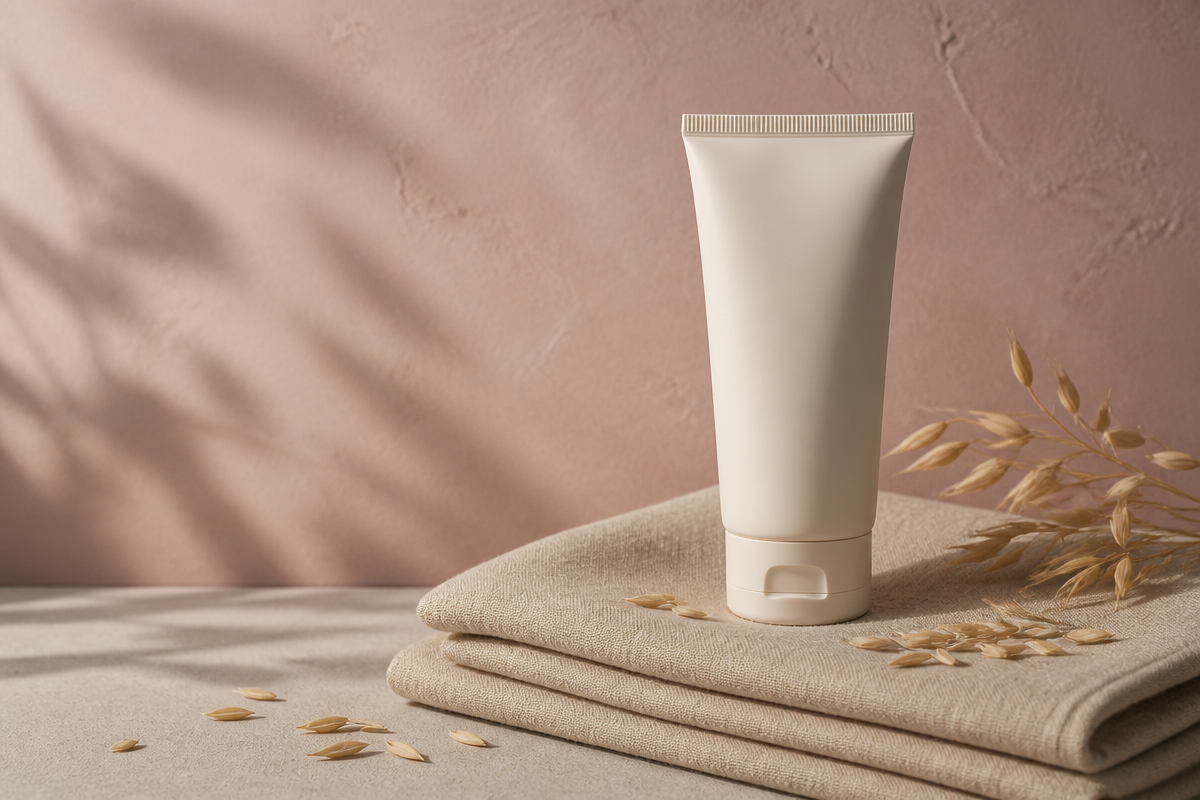
Fragrance-free cleanser and barrier cream with scattered oats on a dusty rose backdrop for a sensitive skin routine

More cards from this guide

Ranked picks

The best products for sensitive skin, ranked

Ranked on how consistently they are tolerated by reactive skin: short fragrance-free formulas, barrier ingredients that do the work, and no filler actives. Each row says why it wins and what to know before buying.

Match my picks

Tell us three things and we reorder the list

Same 4 products, sorted so the one that suits your budget and tolerance sits first.

Budget

How skin reacts

What matters most

Matched to: any budget · standard tolerance · a balanced shelf

Prices checked this month

The best products for sensitive skin, ranked
RankProductWhy it winsWorth knowingWhere to buy
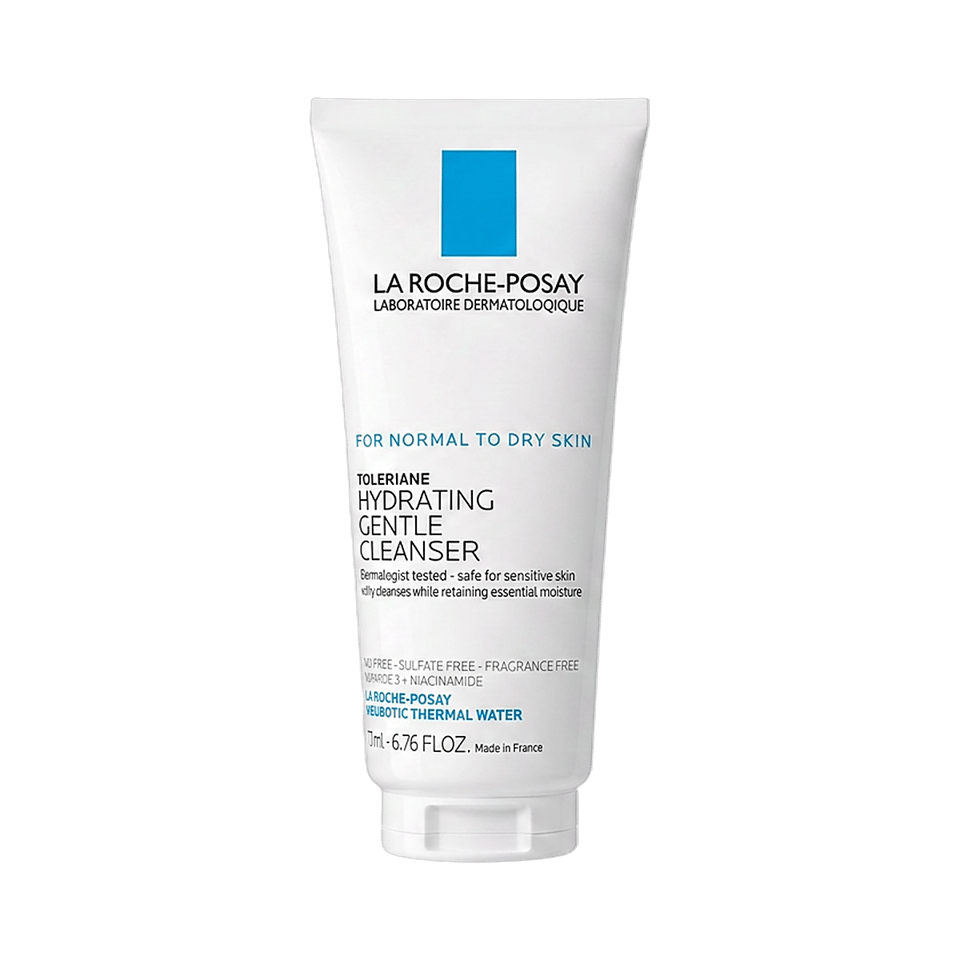
1Best overallLa Roche-Posay Toleriane Hydrating Gentle Cleanser tubeLa Roche-PosayToleriane Hydrating Gentle CleanserCleanserCleansing is where most sensitive-skin routines go wrong. This one washes with ceramide-3 and niacinamide, no fragrance and no sulfates, so skin never feels tight afterwards.Creamy texture leaves a slight film — use it as a second cleanse if you wear heavy SPF or makeup.View on Amazon
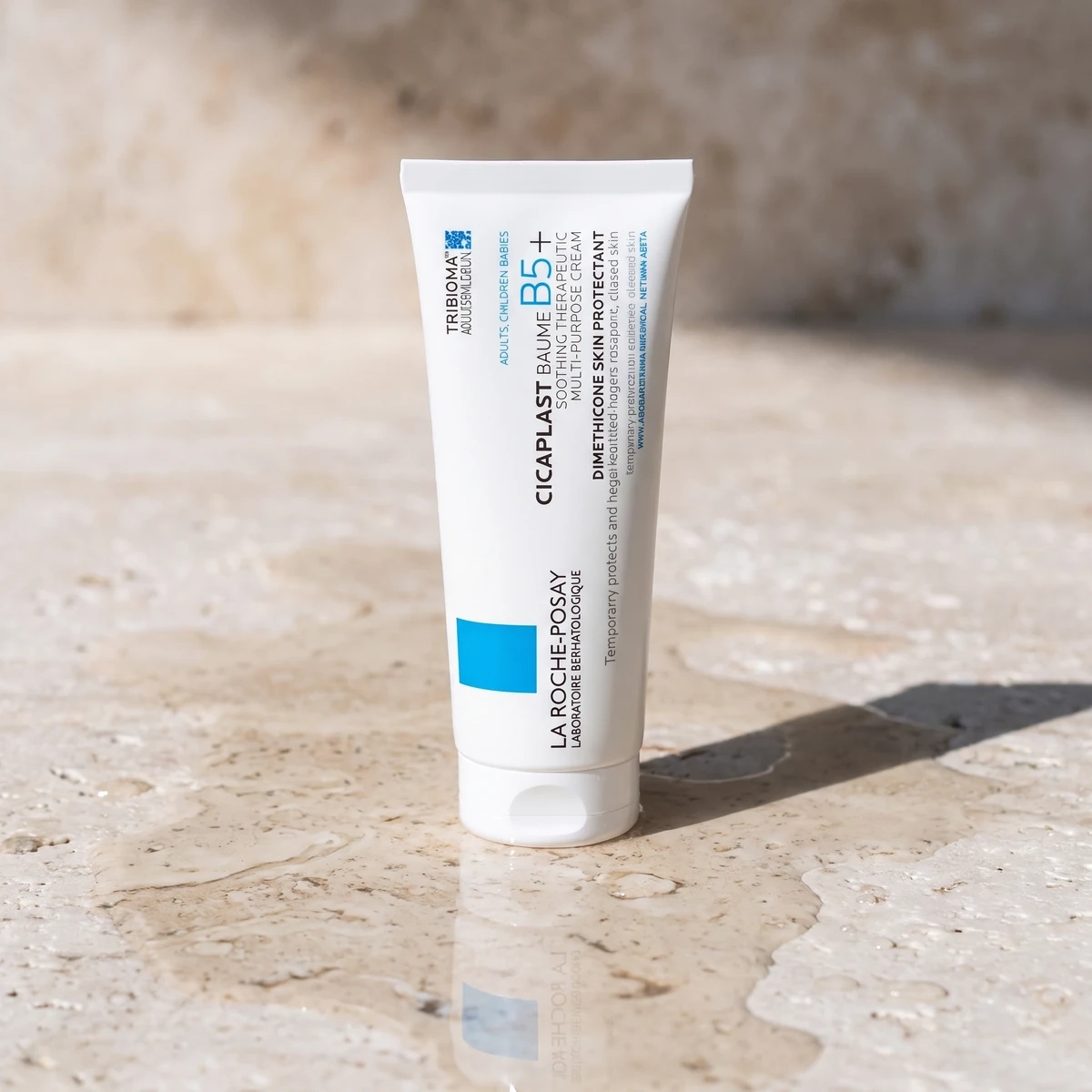
2Best for flare-upsLa Roche-Posay Cicaplast Baume B5 product packagingLa Roche-PosayCicaplast Baume B5Barrier balmRead the full breakdownPanthenol 5% plus madecassoside settles stinging and visible redness within a few days, which is why dermatologists reach for it after procedures.Rich and slightly occlusive; if you are also breakout-prone, keep it to irritated patches rather than the whole face.View on Amazon
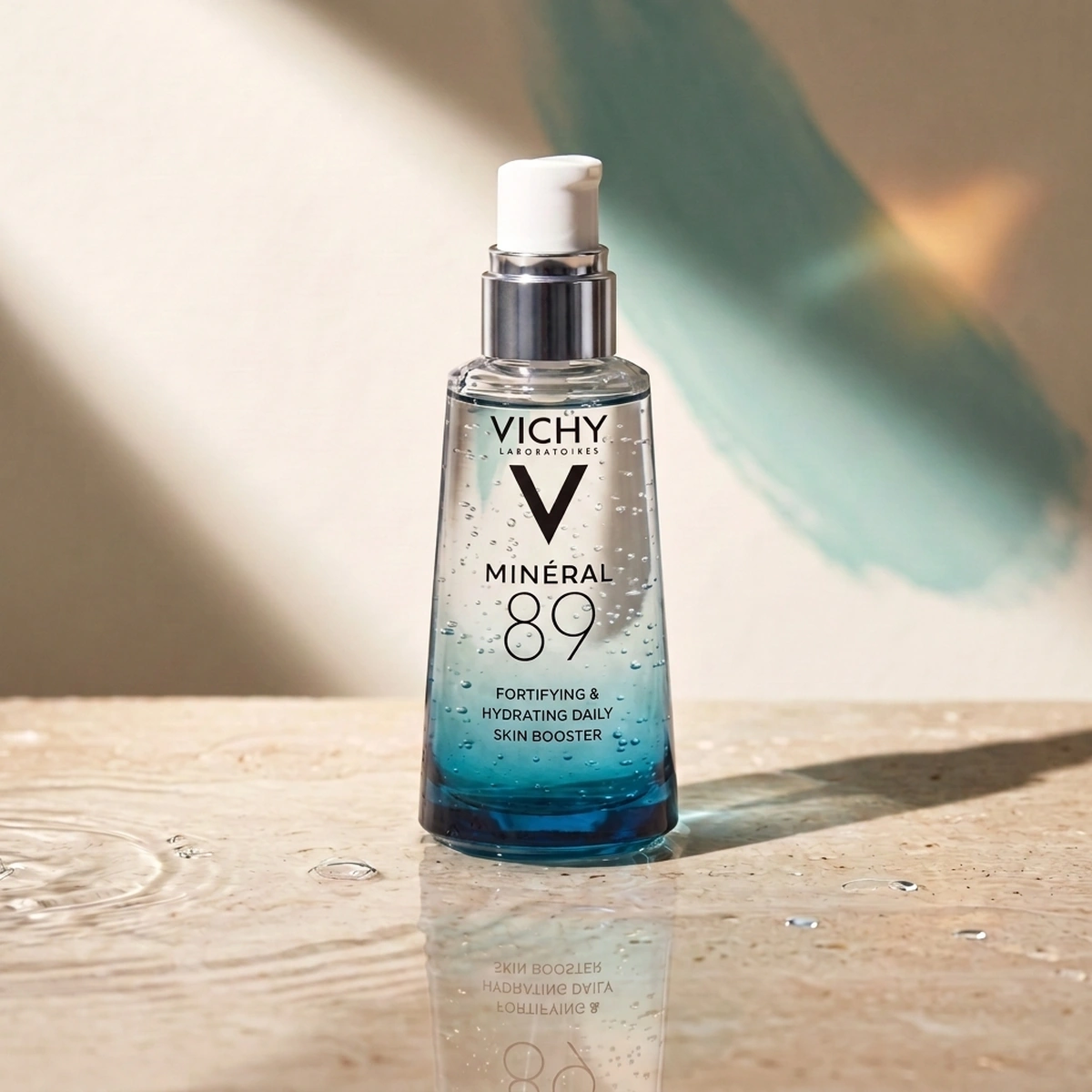
3Best hydrating serumVichy Minéral 89 hyaluronic acid booster pump bottleVichyMinéral 89 Hyaluronic Acid BoosterHydrating serumRead the full breakdownOne of the shortest ingredient lists in the category — water, glycerin, hyaluronic acid — so there is very little left to react to while it adds hydration under moisturizer.It hydrates but does not seal; you still need a barrier cream on top or the water evaporates.View on Amazon
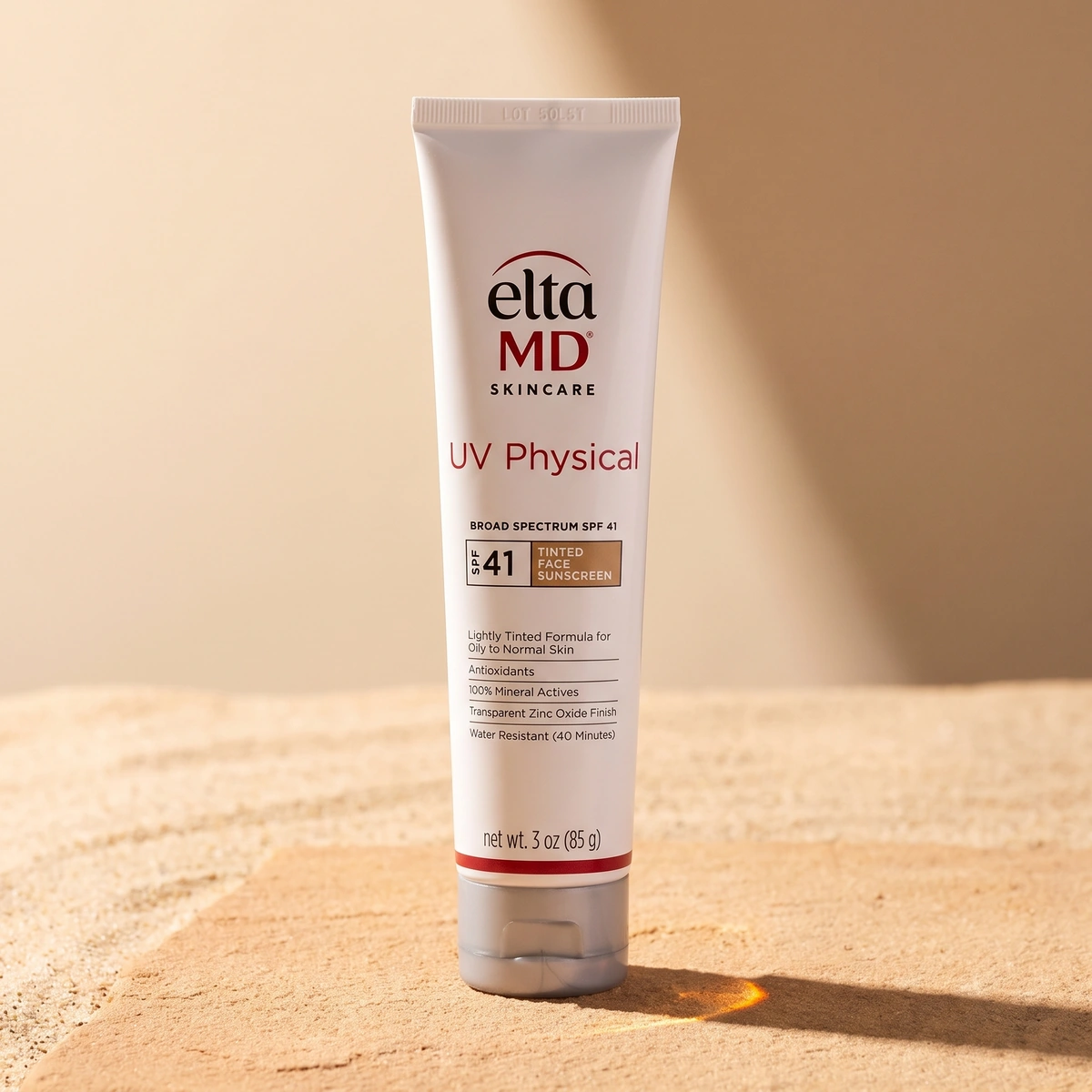
4Best sunscreenEltaMD UV Physical Broad-Spectrum SPF 41 product packagingEltaMDUV Physical Broad-Spectrum SPF 41SunscreenRead the full breakdown100% mineral filters, no fragrance and no chemical filters, which removes the two most common causes of SPF stinging on reactive skin.Tinted and slightly heavy — it suits light-to-medium tones best and needs a full teaspoon for the stated protection.View on Amazon

What sensitive skin actually needs

Redness, stinging, and flare-ups usually come from a compromised barrier. Recovery comes from doing less, better:

  • Fewer steps, fewer ingredients

    A short routine makes it easy to identify what triggers a reaction.

  • Barrier-first formulas

    Ceramides, panthenol, and colloidal oatmeal calm and rebuild.

  • Patch test everything

    Introduce one new product at a time and wait a week before adding another.

Signs your skin is sensitive

  • Stinging or burning from new products
  • Redness that flares with heat, wind, or stress
  • Reacts to fragrance or essential oils
  • Feels tight and looks blotchy after cleansing

Morning ritual

AM routine for sensitive skin

Mornings should be as gentle as possible — protect first, treat rarely.

  1. 1

    Step 1: Cleanse

    Rinse with lukewarm water or a fragrance-free cream cleanser. No hot water, no scrubs.

  2. 2

    Step 2: Soothe

    Apply a centella, panthenol, or oat-based serum to reduce redness.

  3. 3

    Step 3: Moisturize

    Use a fragrance-free ceramide moisturizer to reinforce the barrier.

  4. 4

    Step 4: Protect

    Choose a mineral SPF 30+ with zinc oxide — usually better tolerated than chemical filters.

Evening ritual

PM routine for sensitive skin

Evening is repair time. Keep actives minimal and always buffer them with moisturizer.

  1. 1

    Step 1: Cleanse

    Use a gentle micellar water or cream cleanser. Avoid washcloths and hot water.

  2. 2

    Step 2: Calm

    Reapply your soothing serum, or skip straight to moisturizer on flare-up days.

  3. 3

    Step 3: Treat sparingly

    If tolerated, use a low-strength retinol once or twice a week over moisturizer.

  4. 4

    Step 4: Repair

    Seal with a rich, fragrance-free barrier cream. Add a balm on irritated patches.

Fragrance-free barrier cream and gentle cleanser with scattered oats for sensitive skin

Best ingredients for sensitive skin

Centella asiatica

Calms redness and supports healing.

Panthenol

Soothes irritation and holds moisture.

Ceramides

Rebuild a compromised barrier.

Zinc oxide

Gentle mineral UV protection for reactive skin.

Ingredients to avoid with sensitive skin

Fragrance and essential oils
The most common trigger for stinging and contact reactions — including natural citrus and lavender oils.
Denatured alcohol high in the list
Dries the barrier quickly and makes everything applied after it sting more.
Physical scrubs and cleansing brushes
Mechanical friction damages an already thin barrier; nothing about it is exfoliation you need.
Strong glycolic acid and daily AHAs
Too aggressive for reactive skin. A PHA once a week is the gentlest useful alternative.
High-percentage L-ascorbic acid
Its low pH stings on a compromised barrier. Use a gentler derivative if you want vitamin C.
Hot water and long steamy showers
Dissolves surface lipids and dilates vessels, undoing barrier work between products.

Cost, timeline and when to get help

What it costs
A fragrance-free cleanser, soothing serum, ceramide moisturizer and mineral SPF are mid-range to premium and last around three months.
How long it takes
Stinging and reactivity usually reduce within two weeks of stripping the routine back; a genuinely calm barrier typically takes six to eight weeks.
When to see a dermatologist
See a dermatologist if redness, swelling or a rash follows most products, since that pattern points to contact dermatitis or rosacea rather than ordinary sensitivity.

What sensitivity usually is — and what it is not

Most self-described sensitive skin is a barrier problem rather than an allergy. When the outermost layer is short on lipids or has been over-exfoliated, irritants and water pass through it far more easily than they should. The result is stinging from products that used to be fine, redness that flares with heat or wind, and a face that reacts to almost anything new. Rebuild the barrier and a surprising amount of that sensitivity fades.

True contact allergy is different: a reproducible, often delayed reaction to one specific ingredient, most commonly a fragrance component, a preservative, or a botanical extract. If you get the same reaction from the same product every single time, that is worth patch testing formally with a dermatologist rather than experimenting further at home.

Conditions like rosacea, eczema, and seborrheic dermatitis also present as sensitivity and need targeted care. Persistent central-face flushing with visible vessels, or scaly patches that keep returning in the same place, are worth a professional opinion. Nothing on this page is a substitute for that — but a gentle, minimal routine is the correct foundation in every one of those cases.

The elimination approach: strip back, then rebuild slowly

When skin is reacting, adding a soothing product rarely helps as much as removing three others. Go down to three items for two full weeks: a fragrance-free cream cleanser, a bland barrier moisturizer with ceramides or colloidal oatmeal, and a mineral sunscreen. No acids, no retinoids, no vitamin C, no masks, no scrubs, no essential oils. Two weeks is roughly how long the barrier needs to begin recovering measurably.

Then reintroduce one product at a time, waiting seven to ten days between additions. Patch test first: a pea-sized amount on the inner forearm or just in front of the ear, twice a day for three days. If nothing happens, apply it to a small area of the face for three more days before going full-face. It is slow, and it is the only method that reliably tells you what your skin actually objects to.

When you do add actives, choose the gentlest effective form. Azelaic acid instead of glycolic. Encapsulated or low-strength retinol, or bakuchiol, instead of a prescription retinoid. PHAs rather than AHAs, at most once a week. Apply moisturizer before the active to buffer it, and never introduce two new things in the same week.

Everyday triggers that are not products

Water temperature is the most underrated trigger. Hot water dissolves surface lipids and dilates vessels, so a hot shower on the face can undo a week of careful barrier work. Lukewarm only, and pat rather than rub with a clean towel.

Friction matters too: rough washcloths, cleansing brushes, aggressive makeup removal, and even resting your face in your hands all mechanically irritate a compromised barrier. So does laundry detergent on pillowcases, which sits against your face for eight hours a night — a fragrance-free detergent is a genuinely useful change for reactive skin.

Finally, sun and wind. UV drives inflammation and worsens redness in almost every sensitivity pattern, and mineral sunscreens with zinc oxide are usually better tolerated than chemical filters on reactive skin. In cold weather, a physical barrier — a scarf over the lower face — reduces windburn flares more effectively than any cream.
What to use for sensitive skin

  • CleanserBest overall

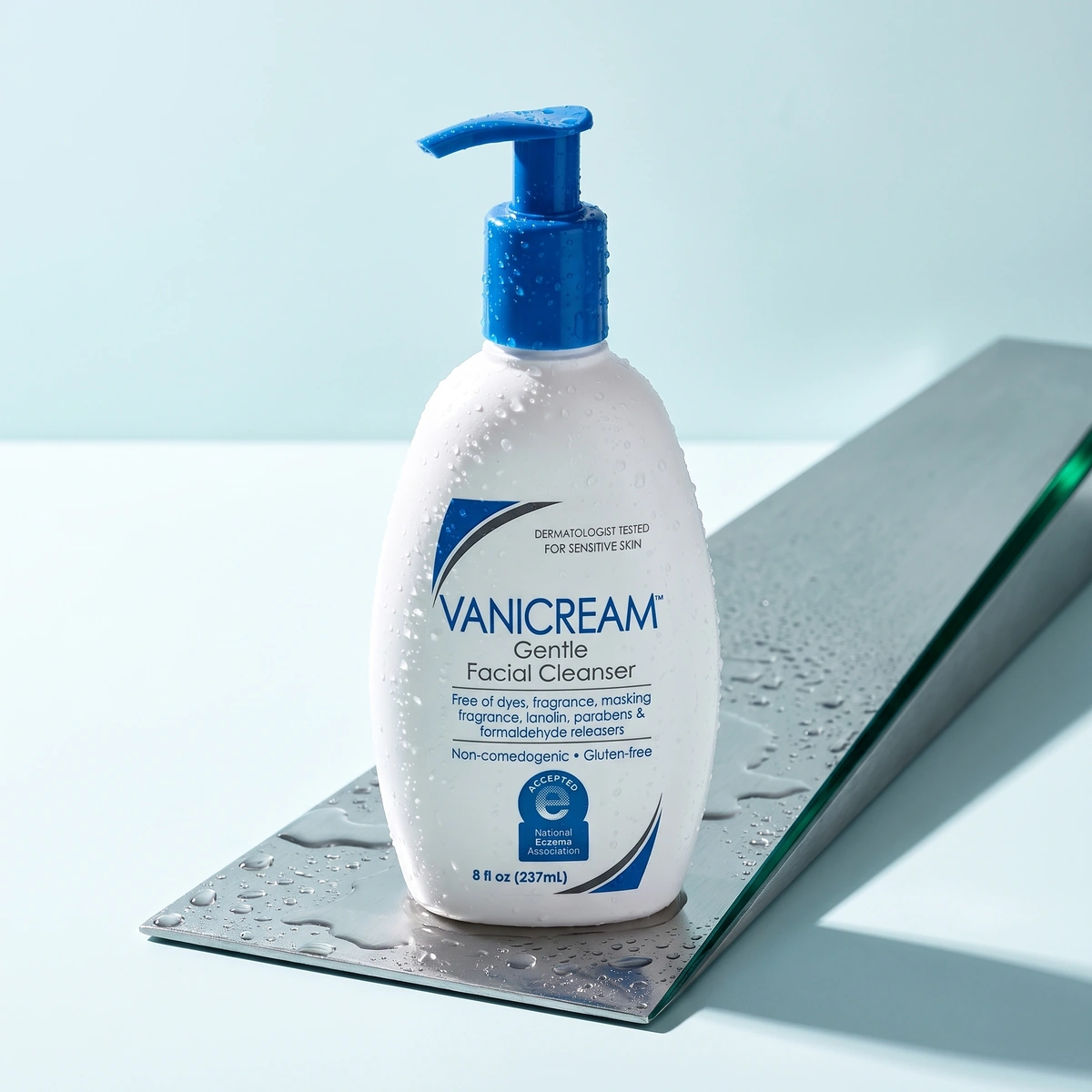
    Vanicream Gentle Facial Cleanser

    Fragrance-free, dye-free, and free of common sensitizers — the standard first cleanser for an elimination routine.

    Vanicream Gentle Facial Cleanser 8 fl oz pump bottle
    Why this one for you: Vanicream Gentle Facial Cleanser suits this step.Fragrance-free, dye-free, and free of common sensitizers — the standard first cleanser for an elimination routine.
    View Vanicream on Amazon
  • CleanserBudget pick

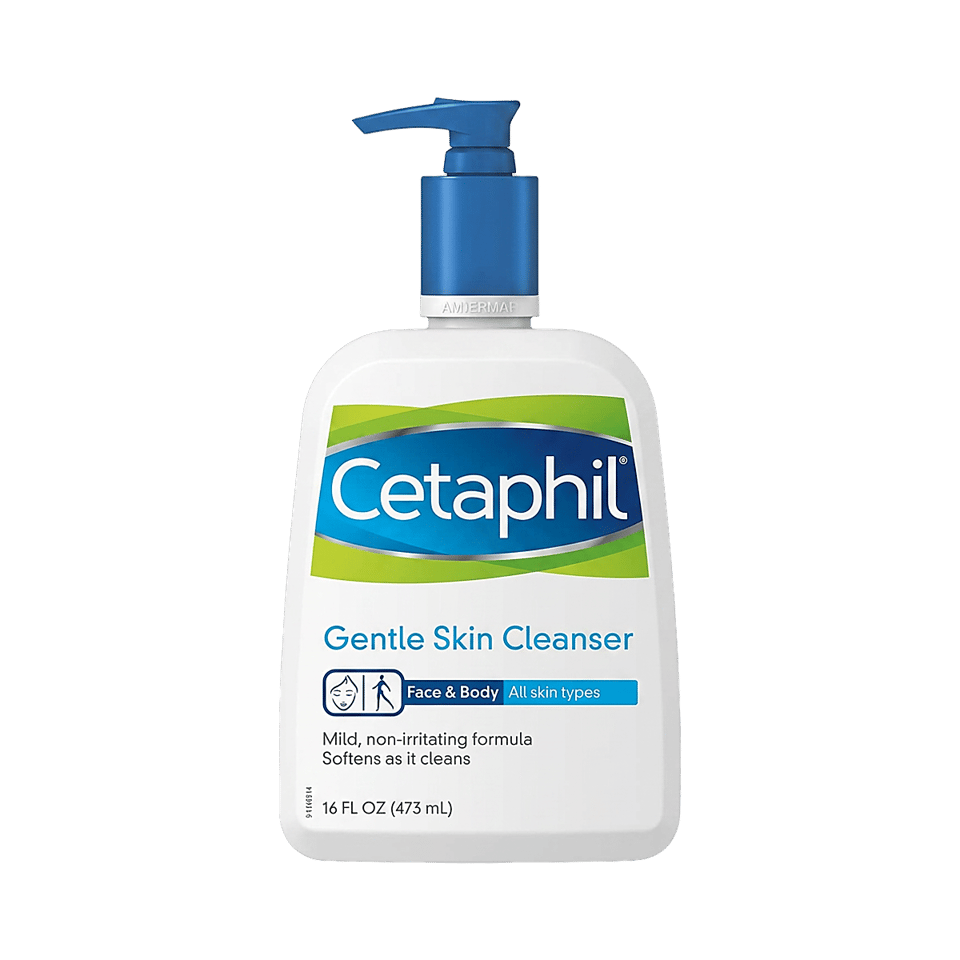
    Cetaphil Gentle Skin Cleanser

    The long-standing drugstore option for reactive skin: no fragrance, no foam, and easy to find anywhere.

    Cetaphil Gentle Skin Cleanser 16 fl oz pump bottle
    Why this one for you: Cetaphil Gentle Skin Cleanser suits this step.The long-standing drugstore option for reactive skin: no fragrance, no foam, and easy to find anywhere.
    View Cetaphil on Amazon
  • MoisturizerBest overall

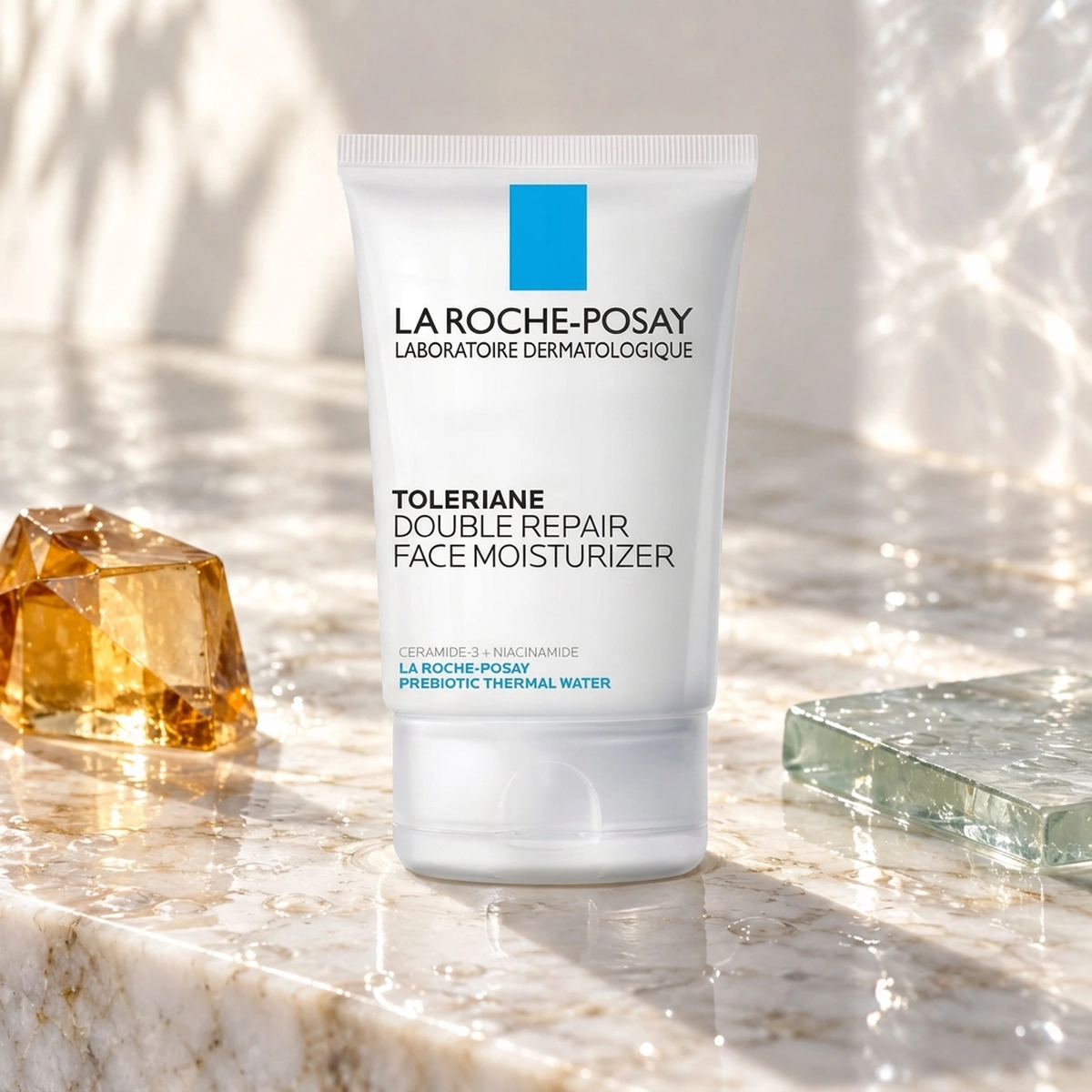
    La Roche-Posay Toleriane Double Repair Face Moisturizer

    Ceramide and niacinamide barrier cream that suits reactive skin morning and night.

    La Roche-Posay Toleriane Double Repair Face Moisturizer tube
    Why this one for you: La Roche-Posay Toleriane Double Repair Face Moisturizer suits this step.Ceramide and niacinamide barrier cream that suits reactive skin morning and night.
    View La Roche-Posay on Amazon
  • MoisturizerBudget pick

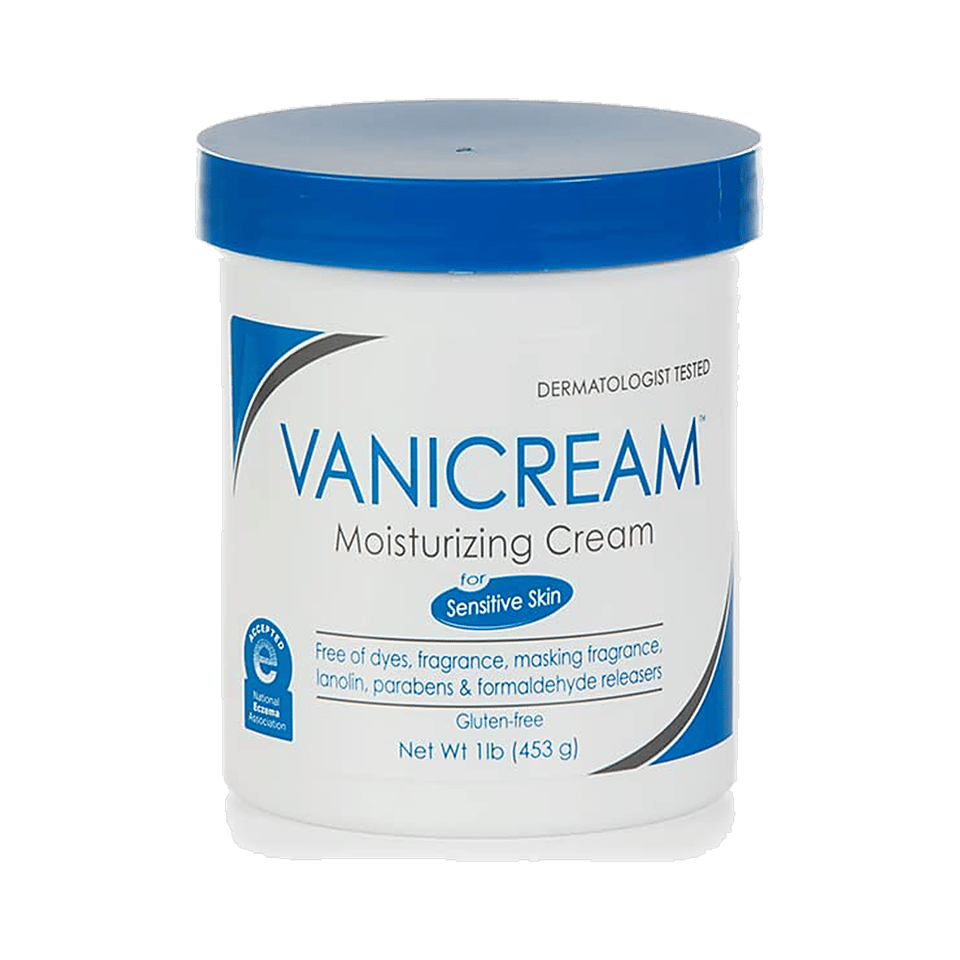
    Vanicream Moisturizing Cream

    A bland, tub-sized barrier cream with none of the usual sensitizers, at a much lower cost per ounce.

    Vanicream Moisturizing Cream 16 oz tub
    Why this one for you: Vanicream Moisturizing Cream suits this step.A bland, tub-sized barrier cream with none of the usual sensitizers, at a much lower cost per ounce.
    View Vanicream on Amazon
  • SunscreenBest overall

    EltaMD UV Physical Broad-Spectrum SPF 41

    A zinc-oxide mineral sunscreen for skin that stings with chemical filters.

    EltaMD UV Physical Broad-Spectrum SPF 41 product packaging
    Why this one for you: EltaMD UV Physical Broad-Spectrum SPF 41 suits this step.A zinc-oxide mineral sunscreen for skin that stings with chemical filters.
    View EltaMD on Amazon
  • SunscreenBudget pick

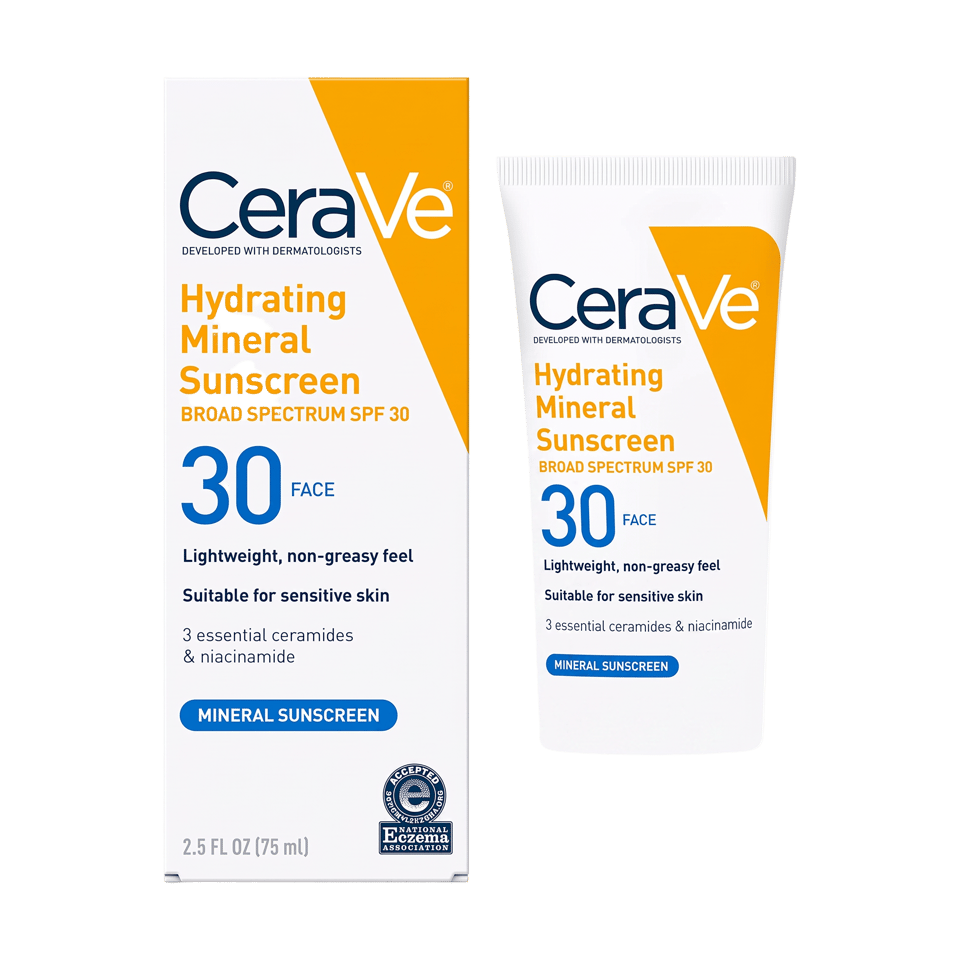
    CeraVe Hydrating Mineral Sunscreen SPF 30

    Zinc and titanium filters with ceramides, at drugstore pricing — good for daily indoor-plus-commute use.

    CeraVe Hydrating Mineral Sunscreen SPF 30 carton and tube
    Why this one for you: CeraVe Hydrating Mineral Sunscreen SPF 30 suits this step.Zinc and titanium filters with ceramides, at drugstore pricing — good for daily indoor-plus-commute use.
    View CeraVe on Amazon
  • TreatmentBest overall

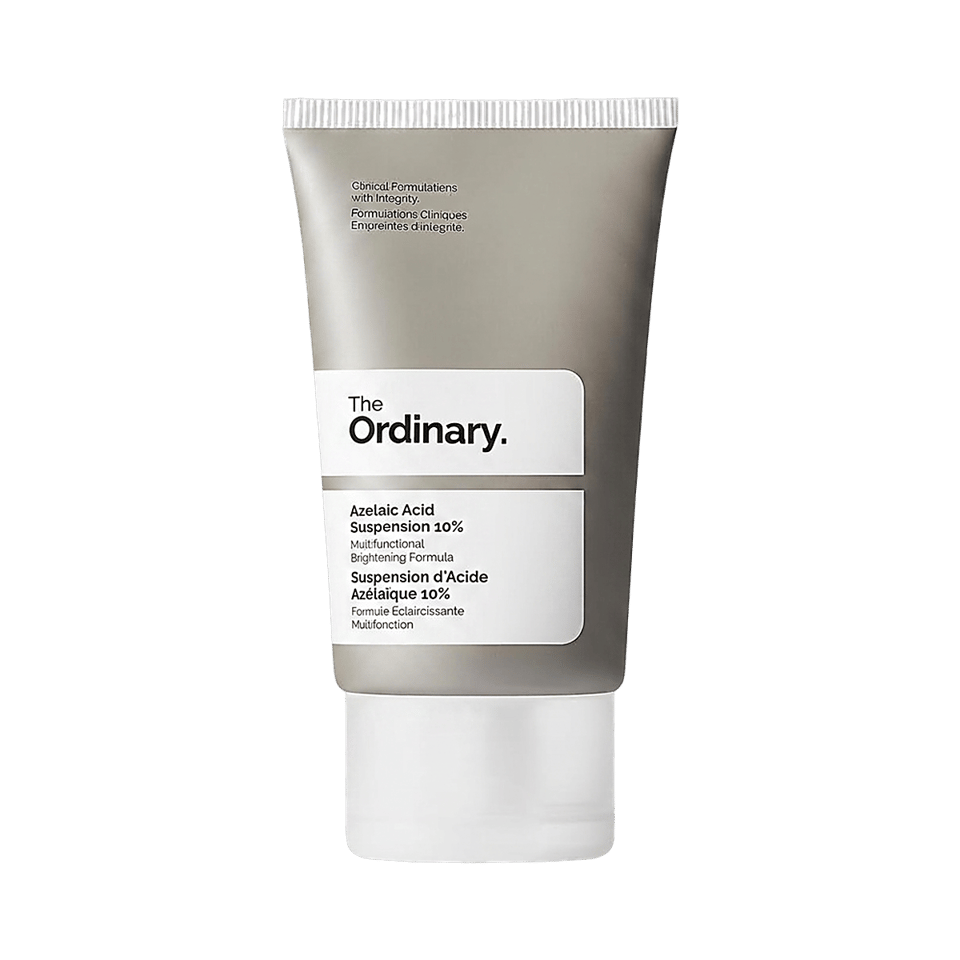
    The Ordinary Azelaic Acid Suspension 10%

    A gentler route to evening tone and calming redness once your barrier has recovered.

    The Ordinary Azelaic Acid Suspension 10% tube
    Why this one for you: The Ordinary Azelaic Acid Suspension 10% suits this step.A gentler route to evening tone and calming redness once your barrier has recovered.
    View The Ordinary on Amazon
  • TreatmentBudget pick

    La Roche-Posay Cicaplast Baume B5

    A cheap panthenol-and-shea balm for flare weeks — use it instead of an acid until stinging stops.

    La Roche-Posay Cicaplast Baume B5 product packaging
    Why this one for you: La Roche-Posay Cicaplast Baume B5 suits this step.A cheap panthenol-and-shea balm for flare weeks — use it instead of an acid until stinging stops.
    View La Roche-Posay on Amazon

Sensitive skin questions, answered

Can sensitive skin use exfoliants?
Occasionally. A PHA once a week is the gentlest option. Skip scrubs and strong glycolic acid entirely during a flare-up.
How do I patch test a new product?
Apply a small amount to your inner forearm or behind the ear for three consecutive days. If there is no reaction, try it on a small area of your face.
Is fragrance-free the same as unscented?
No. Unscented products can contain masking fragrance. Look specifically for fragrance-free and essential-oil-free labels.

References and sources

Guidance on this page is checked against dermatology bodies, peer-reviewed reviews, and cosmetic ingredient safety databases.

  1. 1.Skin care tips dermatologists use American Academy of Dermatology
  2. 2.Cosmetic ingredient safety assessments Cosmetic Ingredient Review
  3. 3.Sunscreen: how to help protect your skin from the sun U.S. Food & Drug Administration
Woven tray holding an unlabelled ceramic jar and amber dropper bottle beside folded linen in soft daylight