Pregnancy-safe routine
Your personalized pregnancy-safe routine
A safe, effective routine for pregnancy: azelaic acid, niacinamide, vitamin C, and tinted mineral SPF.
A Lumen Ritual tool • built with AI
Customize this routine with our 2-minute quizTakes about two minutesAlready own products? Open The Ritual Lab to audit what you have and name at most one gap. Open The Ritual Lab
A Lumen Ritual workspace · built with Grok
Written by Maria Alejandra, founder and editor · Last updated:
Independently researched and reviewed for accuracy. Read our editorial policy or how we research routines.
Disclaimer: Content on Lumen Ritual is for educational and cosmetic purposes only. Our routine builders are not replacements for professional medical diagnoses or dermatologist-prescribed treatment plans. Read the full policy
The short answer
During pregnancy, skip retinoids, high-dose salicylic acid, and hydroquinone. A safe routine is a gentle cleanser, azelaic acid or vitamin C for pigment, a ceramide moisturizer, and mineral SPF. Confirm any product with your obstetrician or dermatologist.
Key takeaways
- Retinoids, high-dose salicylic acid and hydroquinone are the ingredients most commonly avoided during pregnancy.
- Azelaic acid and vitamin C are the usual pregnancy-safe replacements for pigment and breakouts.
- A pregnancy-safe routine of gentle cleanser, azelaic acid or vitamin C, ceramide moisturizer and mineral SPF covers most pregnancy skin changes.
- Any skincare product used during pregnancy should be confirmed with an obstetrician, midwife or dermatologist.
More cards from this guide
What a pregnancy-safe routine has to do
Three jobs cover nearly every pregnancy skin complaint:
Remove the unsafe actives
Retinoids (retinol, retinal, tretinoin, adapalene), hydroquinone, and high-dose leave-on salicylic acid come out. Each has a safe substitute that does most of the same work.
Protect against melasma
Hormonal pigment is the most common pregnancy skin change. Daily mineral SPF, ideally tinted for visible-light protection, prevents far more than any brightener can fade.
Support a reactive barrier
Skin often turns itchy and dry as it stretches. Fragrance-free ceramide and glycerin layers keep it comfortable, morning and night.
Signs this routine is for you
- You are pregnant, trying to conceive, or breastfeeding
- You used retinol or prescription retinoids before and stopped
- New brown patches across the cheeks, forehead, or upper lip (melasma)
- Hormonal breakouts along the jaw and chin
- Skin that stings from products you used to tolerate
- Itchy, tight, or flaking skin on the face and body

Morning ritual
AM routine for pregnancy-safe
Mornings are about hydration and sun protection — the two things that matter most for pregnancy melasma.
- 1
Step 1: Cleanse
A creamy, fragrance-free cleanser, or just lukewarm water if skin feels dry. Skip medicated salicylic washes.
- 2
Step 2: Treat
Vitamin C or niacinamide serum. Both are pregnancy-safe antioxidants that brighten and calm without retinoids.
- 3
Step 3: Hydrate
Hyaluronic acid or glycerin serum patted onto damp skin to relieve tightness.
- 4
Step 4: Moisturize
A ceramide moisturizer to seal water in and steady the barrier.
- 5
Step 5: Protect
Tinted mineral SPF 30 to 50 with zinc oxide, every single morning. Tint adds iron oxides, which block the visible light that drives melasma.
Evening ritual
PM routine for pregnancy-safe
Evenings do the corrective work with actives that are considered safe in pregnancy. Introduce one at a time.
- 1
Step 1: Cleanse
Remove SPF properly — a gentle balm or milky cleanser, then a second cream cleanse if you wore makeup.
- 2
Step 2: Treat
Azelaic acid 10 to 15% for breakouts, redness, and pigment — the best-evidenced pregnancy-safe active. Alternate with glycolic or lactic acid two nights a week if you want extra smoothing.
- 3
Step 3: Firm
Bakuchiol or a peptide serum in place of retinol. Neither is a retinoid, and both support smoothness and firmness.
- 4
Step 4: Nourish
A richer ceramide or squalane cream. Extend it to the neck, and use a plain body cream on the belly and hips for stretching skin.
Safe actives and what to avoid
Azelaic acid — generally considered suitable
The most versatile pregnancy-friendly active: used for breakouts, redness, and melasma alike.
Why I suggest itObstetric guidance treats topical azelaic acid as a reasonable option in pregnancy, which is why it carries the treatment slot here instead of a retinoid.ACOG — skin conditions during pregnancy
Niacinamide — generally considered suitable
Studied for barrier support, visible redness, and evenness; well tolerated by most skin.
Vitamin C — safe
Antioxidant brightening that supports SPF against pigment.
Glycolic and lactic acid — safe in moderation
Low-percentage AHAs are considered fine for surface smoothing a few nights a week.
Bakuchiol and peptides — safe
Non-retinoid alternatives for firmness and fine lines.
Mineral SPF (zinc, titanium) — safe
Sits on the surface and is the single most useful pregnancy product.
Retinoids — avoid
Retinol, retinaldehyde, tretinoin, and adapalene are not recommended during pregnancy.
Hydroquinone — avoid
High skin absorption; discuss alternatives with your doctor.
High-dose salicylic acid — avoid
Low-level rinse-off exposure is usually fine, but strong leave-on BHA and peels are best paused.
Mistakes to avoid during pregnancy
- Chasing melasma with strong brighteners while skipping daily sunscreen
- Stopping everything out of caution and letting the barrier get dry and itchy
- Assuming 'natural' means safe — many essential oils are more irritating than the actives they replace
- Starting several new products at once, so you cannot tell what caused a reaction
- Continuing a prescription retinoid without checking with your doctor first
Cost, timeline and when to get help
- What it costs
- A gentle cleanser, azelaic acid, fragrance-free moisturizer and mineral SPF are mid-range to premium for roughly three months.
- How long it takes
- Pregnancy-related dryness and sensitivity generally settle in two to three weeks; melasma is slower and often needs the whole pregnancy plus consistent SPF.
- When to see a dermatologist
- Confirm every active with your obstetrician or dermatologist before use, and seek care for severe itching, which can signal a pregnancy liver condition.
What to use for pregnancy-safe
- CleanserBest overall
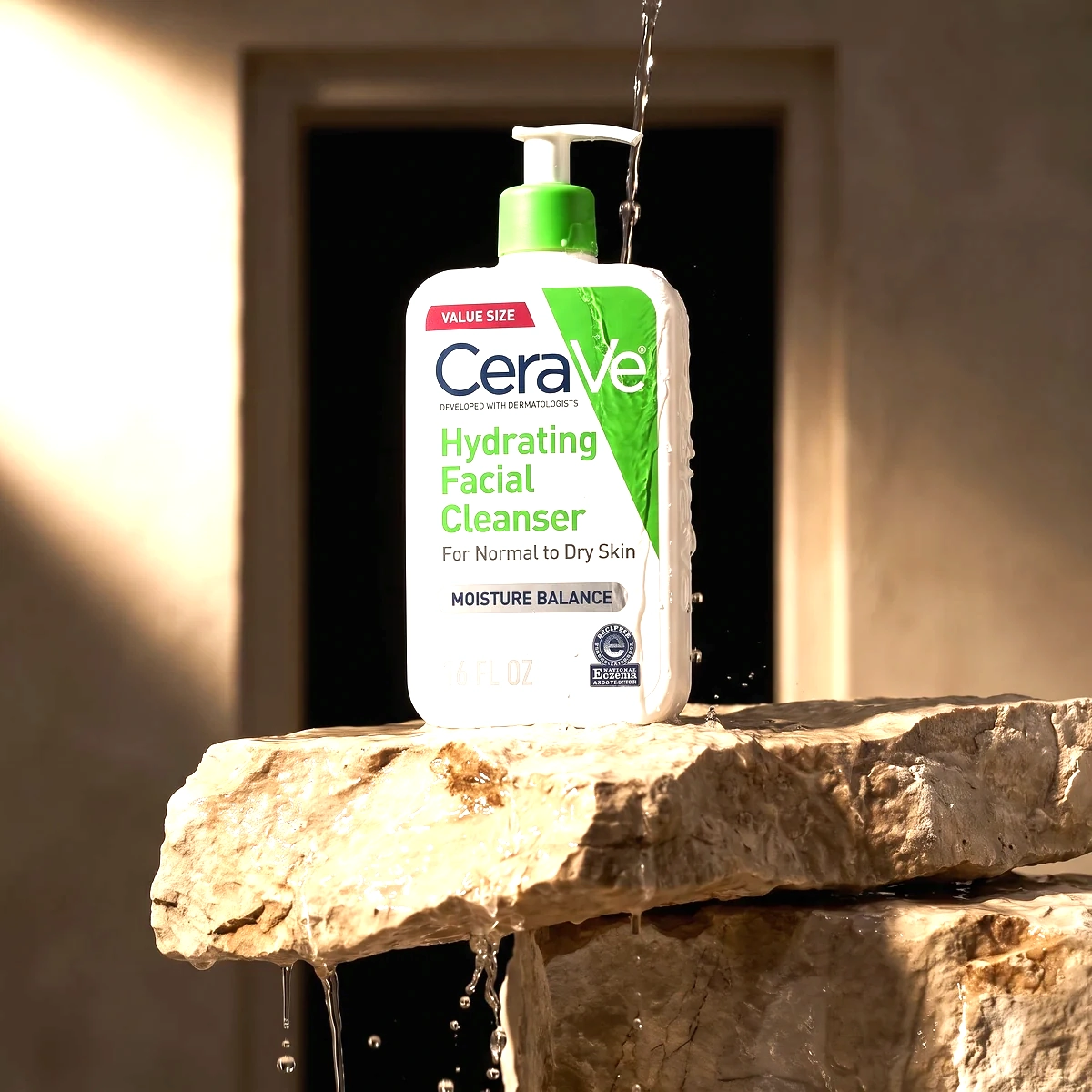
CeraVe Hydrating Facial Cleanser
Fragrance-free, retinoid-free, and gentle enough for skin that has become unpredictable during pregnancy.
 Affiliate link — we may earn a commission, at no extra cost to you.View on Amazon →
Why this one for you: CeraVe Hydrating Facial Cleanser suits this step.
Fragrance-free, retinoid-free, and gentle enough for skin that has become unpredictable during pregnancy. - CleanserBudget pick
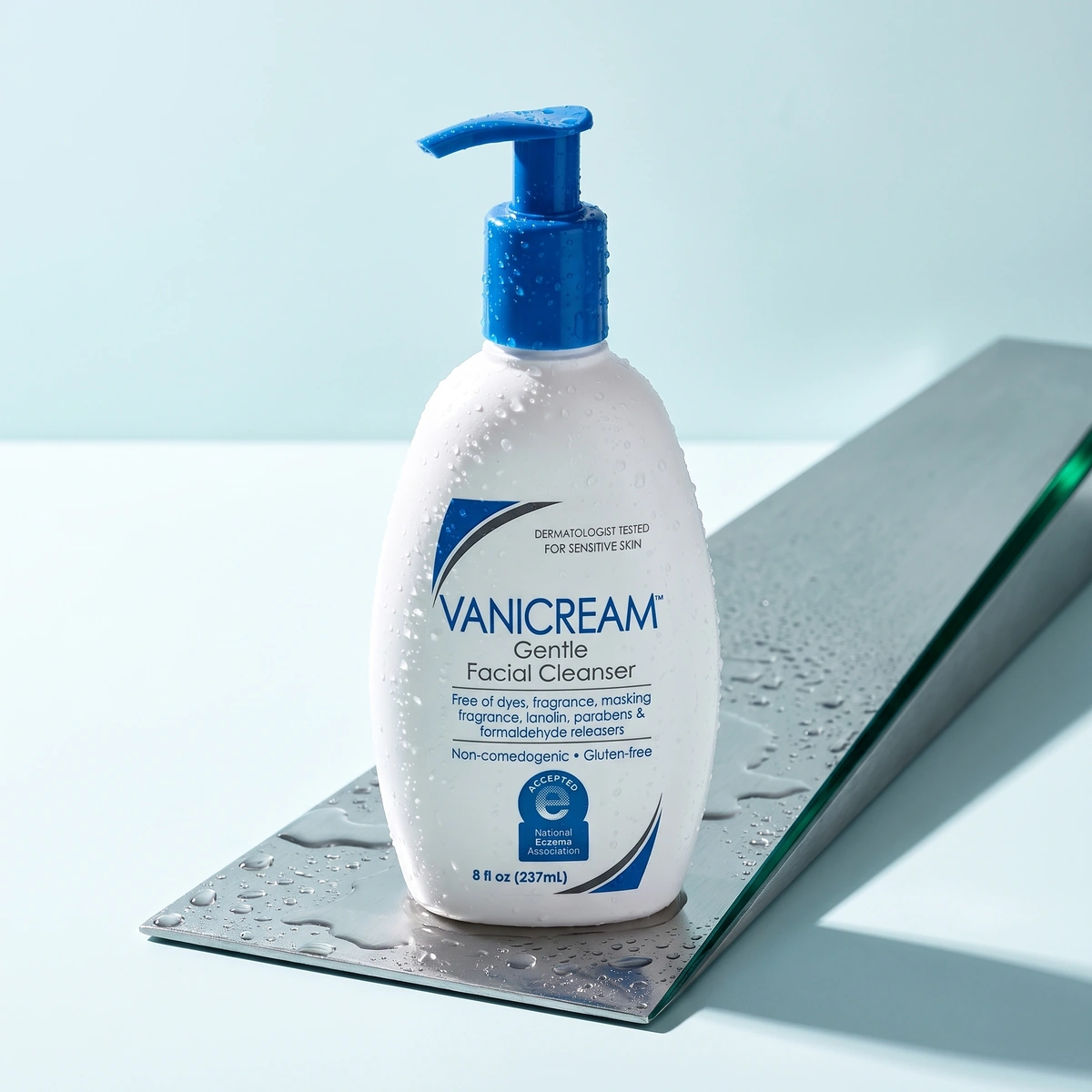
Vanicream Gentle Facial Cleanser
A short, transparent ingredient list — easy to check against anything your provider has asked you to avoid.
 Affiliate link — we may earn a commission, at no extra cost to you.View on Amazon →
Why this one for you: Vanicream Gentle Facial Cleanser suits this step.
A short, transparent ingredient list — easy to check against anything your provider has asked you to avoid. - SerumBest overall
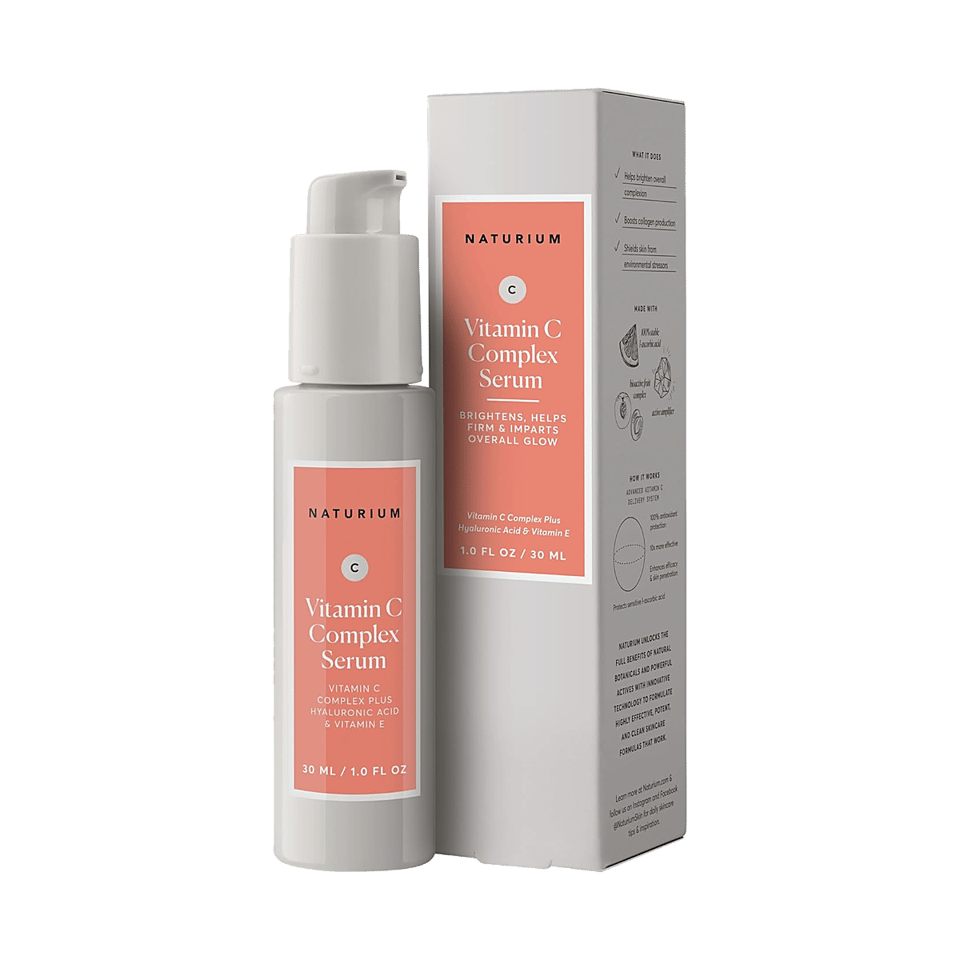
Naturium Vitamin C Complex Serum
Vitamin C is usually considered compatible with pregnancy, and it is a solid daytime antioxidant alongside sunscreen for the melasma pregnancy can trigger.
 Affiliate link — we may earn a commission, at no extra cost to you.View on Amazon →
Why this one for you: Naturium Vitamin C Complex Serum suits this step.
Vitamin C is usually considered compatible with pregnancy, and it is a solid daytime antioxidant alongside sunscreen for the melasma pregnancy can trigger. - SerumBudget pick
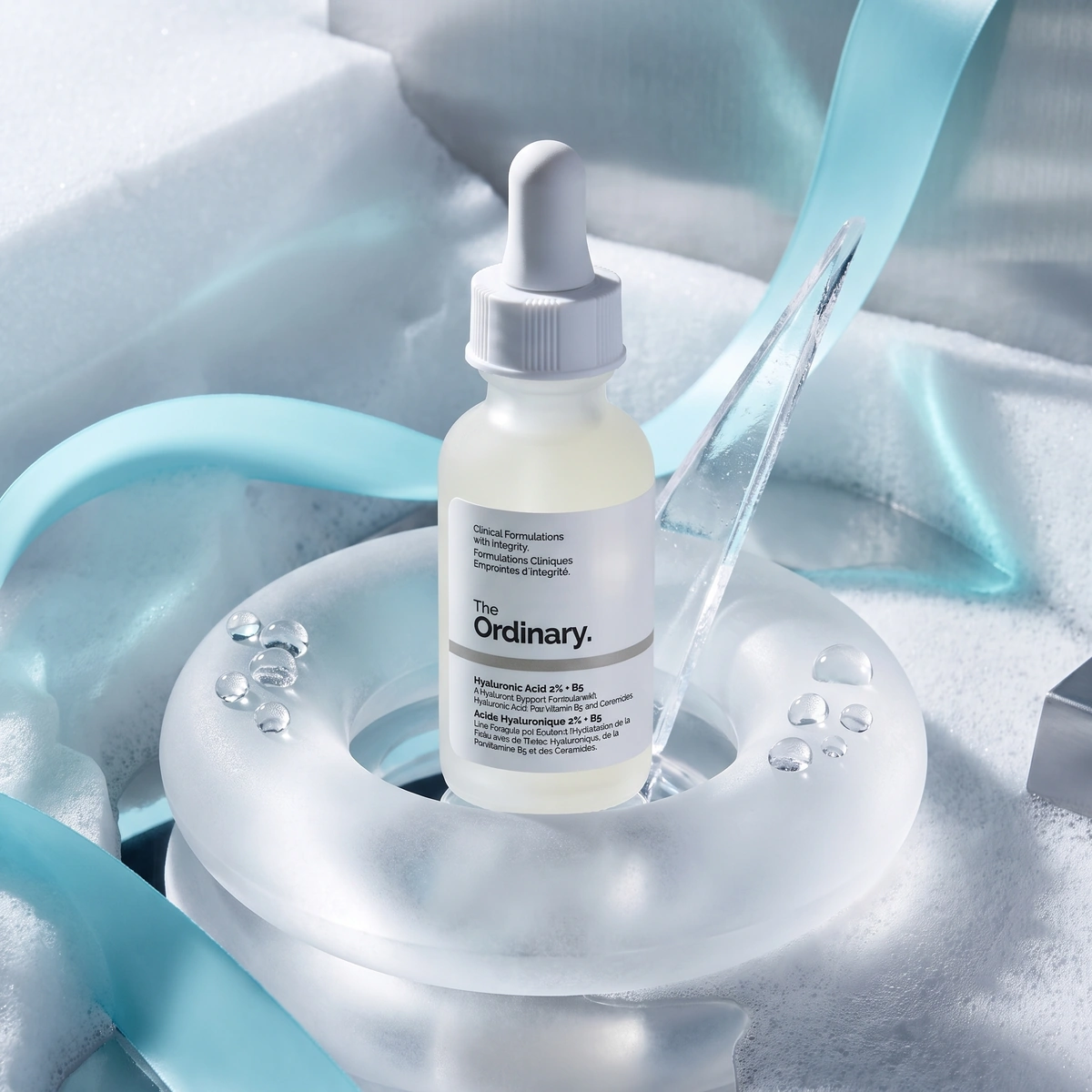
The Ordinary Hyaluronic Acid 2% + B5
Plain humectant hydration with nothing to research — inexpensive, and useful on stretched, itchy skin.
 Affiliate link — we may earn a commission, at no extra cost to you.View on Amazon →
Why this one for you: The Ordinary Hyaluronic Acid 2% + B5 suits this step.
Plain humectant hydration with nothing to research — inexpensive, and useful on stretched, itchy skin. - TreatmentBest overall
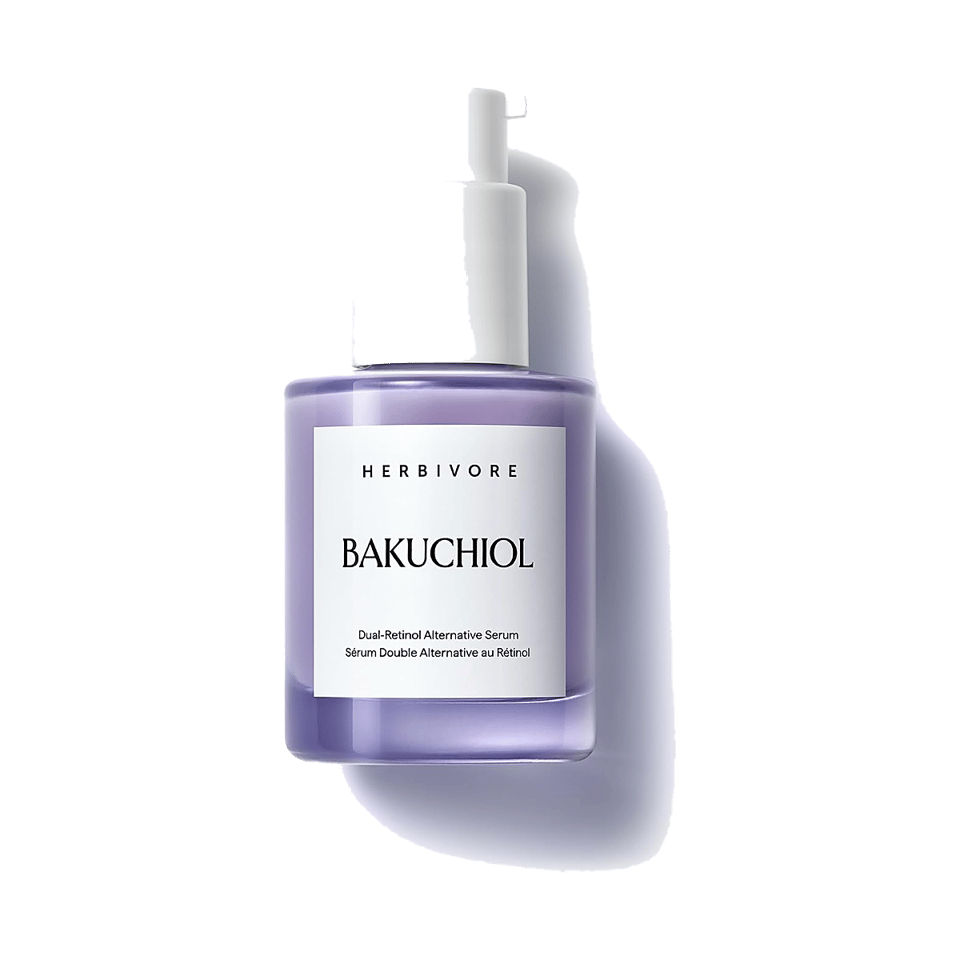
Herbivore Bakuchiol Retinol Alternative Serum
The usual stand-in for retinol while pregnant: a similar smoothing effect with no vitamin A derivative.
 Affiliate link — we may earn a commission, at no extra cost to you.View on Amazon →
Why this one for you: Herbivore Bakuchiol Retinol Alternative Serum suits this step.
The usual stand-in for retinol while pregnant: a similar smoothing effect with no vitamin A derivative. - TreatmentBudget pick
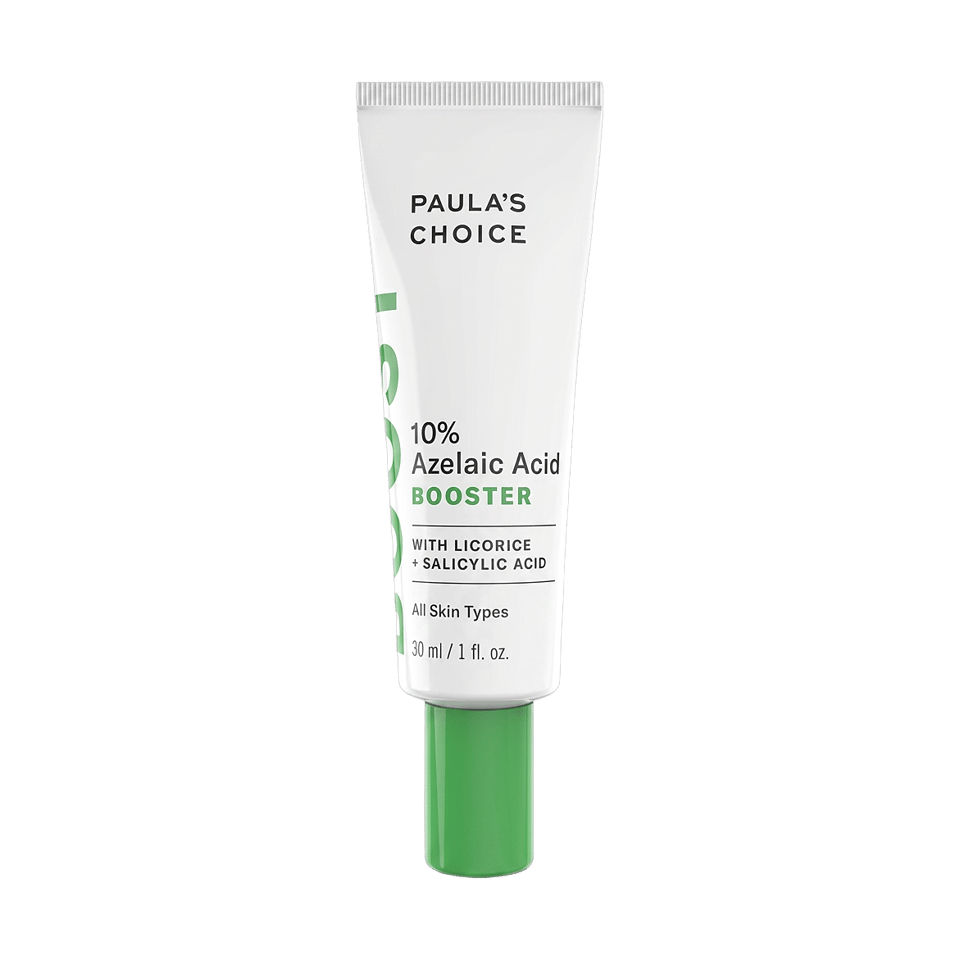
Paula's Choice 10% Azelaic Acid Booster
Azelaic acid is considered safe in pregnancy and is the go-to for pregnancy melasma and hormonal spots.
 Affiliate link — we may earn a commission, at no extra cost to you.View on Amazon →
Why this one for you: Paula's Choice 10% Azelaic Acid Booster suits this step.
Azelaic acid is considered safe in pregnancy and is the go-to for pregnancy melasma and hormonal spots. - MoisturizerBest overall
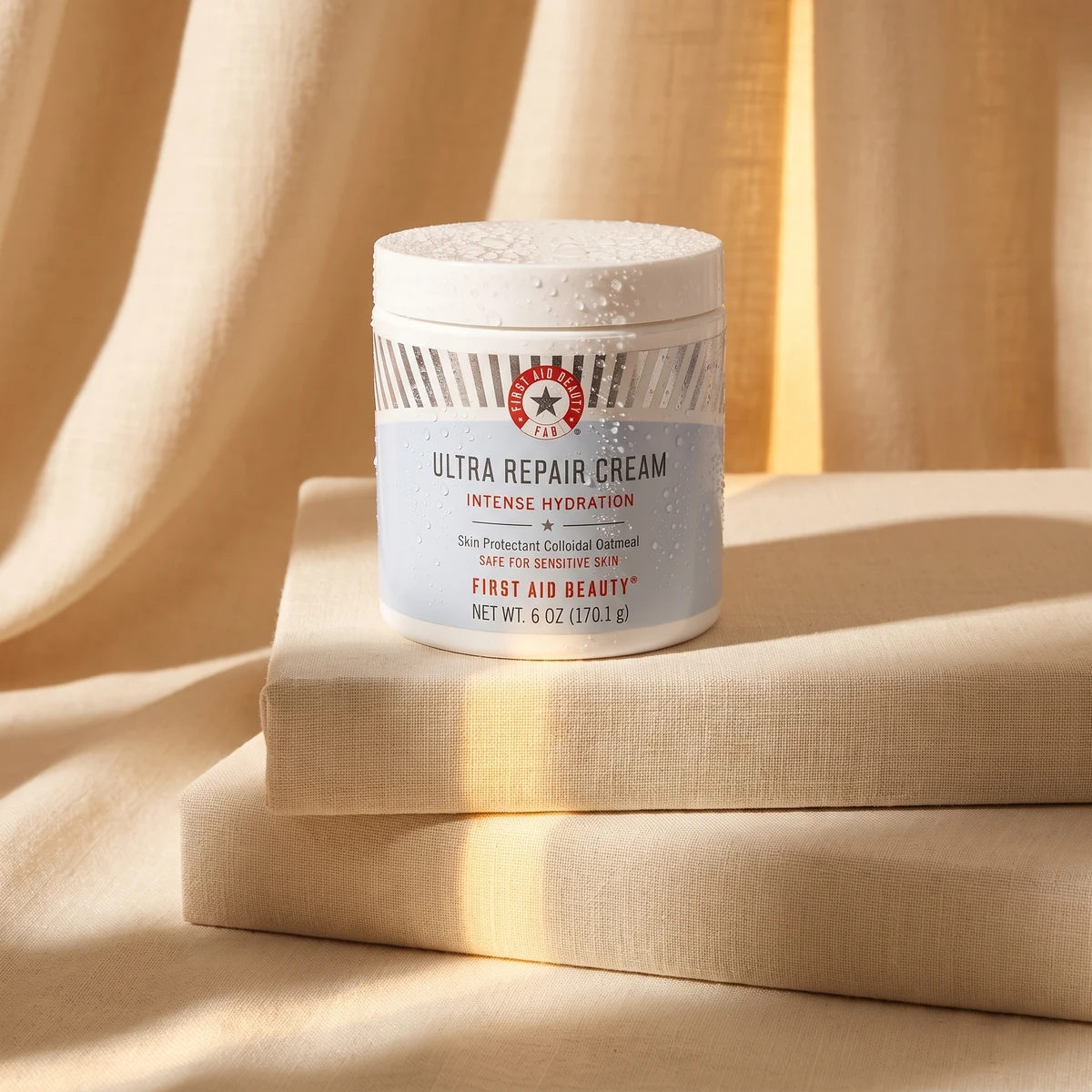
First Aid Beauty Ultra Repair Cream
Colloidal oatmeal for the itch and dryness of pregnancy skin, with no retinoids or salicylic acid.
 Affiliate link — we may earn a commission, at no extra cost to you.View on Amazon →
Why this one for you: First Aid Beauty Ultra Repair Cream suits this step.
Colloidal oatmeal for the itch and dryness of pregnancy skin, with no retinoids or salicylic acid. - MoisturizerBudget pick
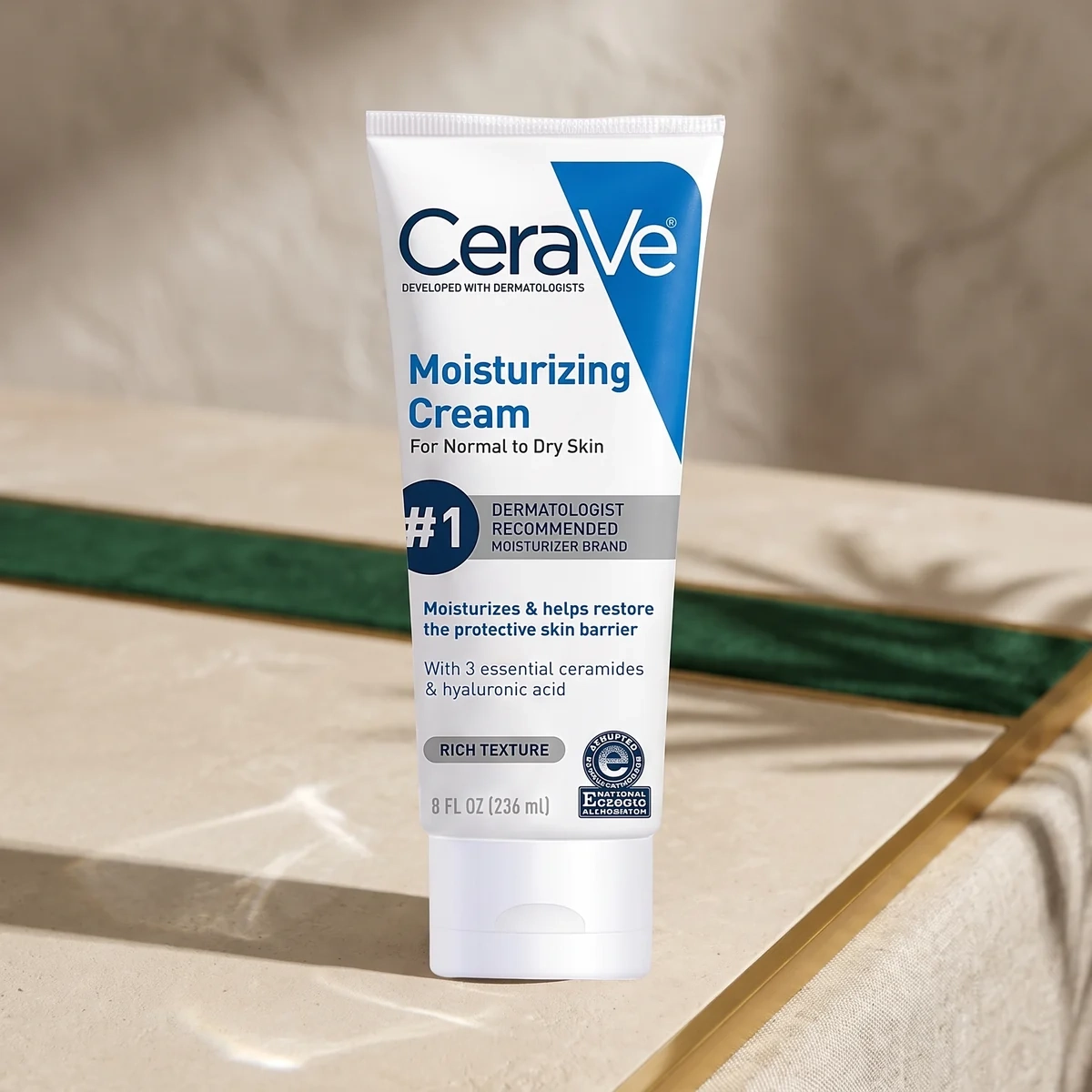
CeraVe Moisturizing Cream
A big fragrance-free ceramide tub that works on face, bump, and everywhere else that tightens.
 Affiliate link — we may earn a commission, at no extra cost to you.View on Amazon →
Why this one for you: CeraVe Moisturizing Cream suits this step.
A big fragrance-free ceramide tub that works on face, bump, and everywhere else that tightens. - SunscreenBest overall
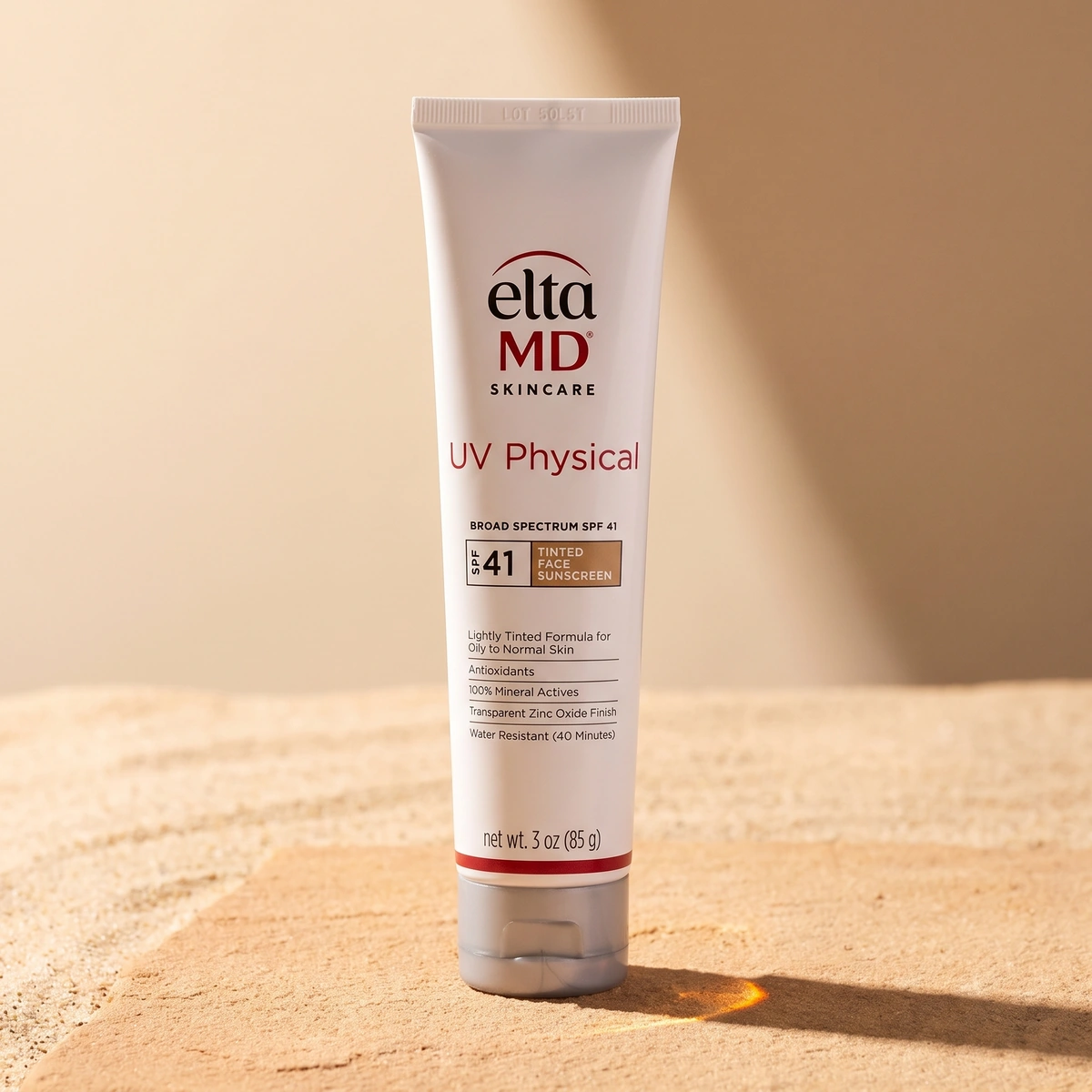
EltaMD UV Physical Broad-Spectrum SPF 41
A pure mineral filter — the most conservative choice, and the best defense against pregnancy mask.
 Affiliate link — we may earn a commission, at no extra cost to you.View on Amazon →
Why this one for you: EltaMD UV Physical Broad-Spectrum SPF 41 suits this step.
A pure mineral filter — the most conservative choice, and the best defense against pregnancy mask. - SunscreenBudget pick
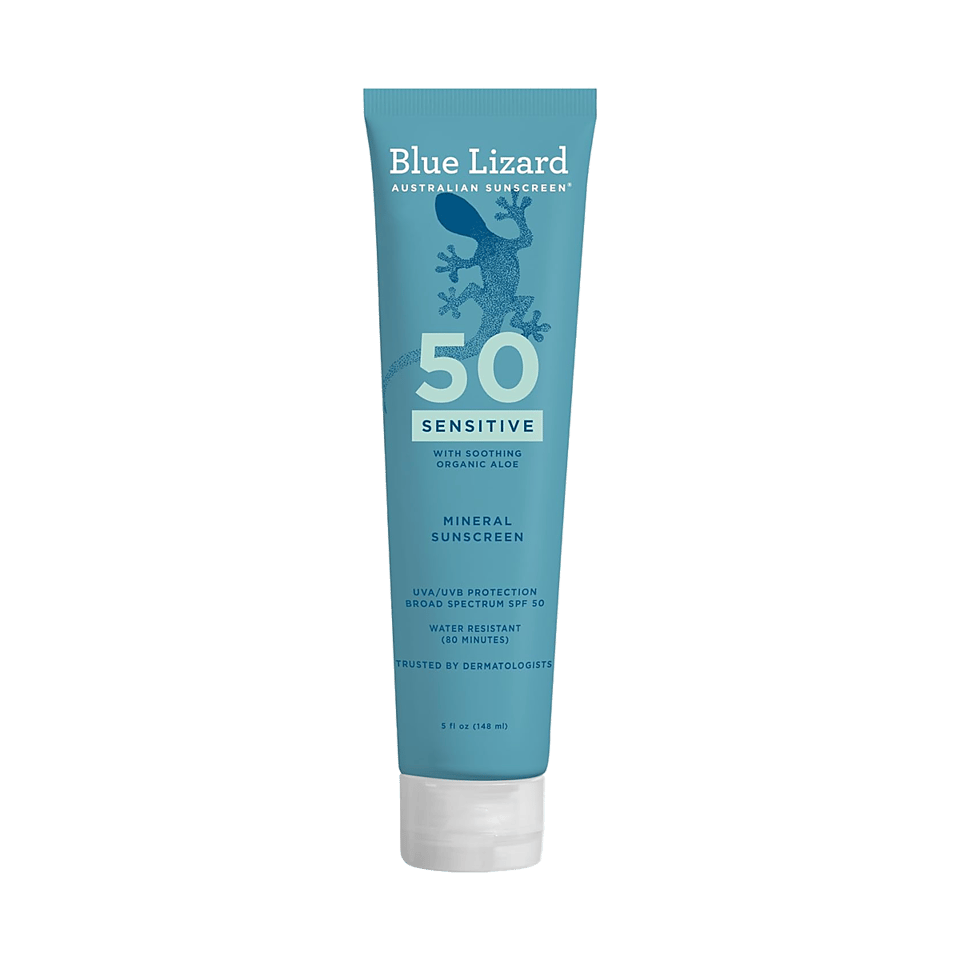
Blue Lizard Sensitive Mineral Sunscreen SPF 50+
Zinc oxide, fragrance-free, and affordable enough for daily face and neck use through all three trimesters.
 Affiliate link — we may earn a commission, at no extra cost to you.View on Amazon →
Why this one for you: Blue Lizard Sensitive Mineral Sunscreen SPF 50+ suits this step.
Zinc oxide, fragrance-free, and affordable enough for daily face and neck use through all three trimesters.
Pregnancy-safe questions, answered
- Is retinol safe during pregnancy?
- No. Topical retinoids including retinol, retinaldehyde, tretinoin, and adapalene are not recommended during pregnancy. Bakuchiol, peptides, or azelaic acid are the usual substitutes.
- What is the best pregnancy-safe acne treatment?
- Azelaic acid 10 to 15% is the most widely recommended over-the-counter option. Benzoyl peroxide at low strength is often allowed too — confirm with your doctor.
- Can I do anything about melasma while pregnant?
- Prevention works better than correction. Tinted mineral SPF every morning, reapplied outdoors, plus azelaic acid, niacinamide, and vitamin C at night. Much of it fades in the months after birth.
- Is vitamin C safe in pregnancy?
- Yes. Topical vitamin C is considered safe and is one of the most useful brightening actives available to you.
- Does this routine work while breastfeeding?
- Yes. The same swaps are generally advised while breastfeeding. Keep products off the chest area right before feeding and check any prescription with your doctor.
Keep reading
Acne routine
Breakouts start inside the pore: excess oil, sticky dead skin cells, and C. acnes bacteria. A routine that helps keep breakouts under control keeps pores open with a consistent active, calms inflammation, and never strips the barrier — because irritated skin breaks out more.
Anti-aging routine
Roughly 80% of visible facial aging is caused by UV exposure, not time. That makes the routine simple in principle: protect during the day, stimulate collagen at night, and keep the barrier hydrated so lines look softer immediately.
Dullness routine
Dullness is usually light, not pigment. A build-up of dead cells scatters light instead of reflecting it, and dehydrated skin makes it worse. Smooth the surface, saturate it with water, and brighten tone — glow follows.
Glass skin routine
Glass skin is a surface condition, not a product. Layer water into damp skin, seal it with a barrier cream, exfoliate gently once or twice a week, and light reflects evenly instead of scattering.
Hyperpigmentation routine
Hyperpigmentation is excess melanin left behind after inflammation, hormones, or UV exposure. Fading it takes two things in parallel: an ingredient that slows new pigment production, and sunscreen that stops the spot being re-triggered every day. Everything else is optional.
Rosacea routine
Rosacea is a chronic inflammatory condition, not a hygiene problem. Skin that flushes easily has a weakened barrier and reactive blood vessels, so the routine that helps is short, fragrance-free, and consistent. Fewer, gentler steps almost always beat a longer regimen.
Men's skincare routine
Men's skin is measurably thicker, produces more sebum, and gets shaved several times a week. That combination means more shine, more ingrown hairs, and more razor irritation — but it also means a short, consistent routine works remarkably well. Four steps, twice a day, is enough.
Teen skincare routine
Teenage skin is going through a lot. Rising hormones send oil production into overdrive and pores clog more easily. A short, consistent routine with gentle cleansing and one pore-clearing active handles most of it.
Dark skin routine
Richly pigmented skin burns less but holds a mark far longer. Preventing inflammation matters more than any brightener: gentle actives, no scrubs, and a daily cast-free SPF stop dark marks and melasma before they start.
Fair skin routine
Fair skin has the least natural UV protection, so sun damage drives most visible aging. Protect hard by day, rebuild at night, and introduce actives slowly to avoid lasting redness.
Oily skin routine
Control shine and clear pores without stripping your barrier.
Dry skin routine
Rebuild a comfortable moisture barrier with layered hydration.
Combination skin routine
Balance an oily T-zone and drier cheeks with zone-aware layering.
Browse every skincare routine guide.
References and sources
Evidence reviewed: American College of Obstetricians and Gynecologists; National Library of Medicine; American Academy of Dermatology. Last read in full August 2026 by Maria Alejandra.
Ingredient behavior, tested concentrations, and safety guidance come from the sources below. Which specific product we suggest, the order we put steps in, and how gently we ramp a routine up are our own editorial judgement — useful, but not clinical evidence, and never a substitute for a dermatologist who can see your skin.
- 1.Skin conditions during pregnancy — American College of Obstetricians and Gynecologists
- 2.Drugs and Lactation Database (LactMed) — National Library of Medicine
- 3.Melasma: causes — American Academy of Dermatology