Teen skincare routine
Your personalized teen skincare routine
A short, consistent routine for teenage skin with gentle cleansing and one pore-clearing active.
A Lumen Ritual tool • built with AI
Customize this routine with our 2-minute quizTakes about two minutesAlready own products? Open The Ritual Lab to audit what you have and name at most one gap. Open The Ritual Lab
A Lumen Ritual workspace · built with Grok
Written by Maria Alejandra, founder and editor · Last updated:
Independently researched and reviewed for accuracy. Read our editorial policy or how we research routines.
Disclaimer: Content on Lumen Ritual is for educational and cosmetic purposes only. Our routine builders are not replacements for professional medical diagnoses or dermatologist-prescribed treatment plans. Read the full policy
The short answer
Teen skin needs three simple steps: a gentle cleanser morning and night, an oil-free moisturizer, and daily SPF. Add a salicylic acid or benzoyl peroxide product for breakouts, one at a time. Avoid scrubs and multi-active routines, which make teen acne worse.
Key takeaways
- Teen skin needs three steps: a gentle cleanser twice a day, an oil-free moisturizer and daily SPF.
- Salicylic acid or benzoyl peroxide can be added for teen breakouts, but only one active at a time.
- Scrubs and multi-active routines make teenage acne worse by inflaming skin that is already producing excess oil.
- Teenage acne that is painful, cystic or scarring warrants a dermatologist rather than stronger drugstore products.
More cards from this guide
What a teen skincare routine has to do
Young skin heals quickly but is also easy to irritate. The best teenage routine focuses on three things:
Cleanse gently, twice a day
A mild gel or foaming cleanser removes oil, sweat, and sunscreen without stripping the barrier. Harsh scrubs and strong astringents usually make acne worse.
Keep pores clear with one active
Salicylic acid is the best starter active for teens: it unclogs pores, calms redness, and is easy to use a few nights a week.
Hydrate and protect every morning
Even oily skin needs lightweight moisture and daily SPF. Skipping moisturizer leaves skin dehydrated and uncomfortable without reducing oil; skipping sunscreen leaves dark marks behind.
Signs this routine is for you
- Oily shine on the forehead, nose, and chin by midday
- Blackheads and whiteheads on the nose and chin
- Hormonal breakouts around the jaw and cheeks
- Skin that looks red or feels tight after cleansing
- You are new to skincare and want a simple place to start
Morning ritual
AM routine for teen skincare
The morning routine takes under three minutes and sets skin up for the school day.
- 1
Step 1: Cleanse
Wash with a gentle, fragrance-free gel or foaming cleanser and lukewarm water. Avoid bar soap — it can change skin's pH and clog pores.
- 2
Step 2: Moisturize
Apply a lightweight, oil-free, non-comedogenic moisturizer. Gel formulas feel fresh and wear well under sunscreen.
- 3
Step 3: Protect
Finish with a broad-spectrum SPF 30 sunscreen every single morning. Look for 'non-comedogenic' and 'oil-free' on the label.
Evening ritual
PM routine for teen skincare
Night is when skin recovers. Cleanse thoroughly, then add one treatment a few times a week.
- 1
Step 1: Cleanse
Use the same gentle cleanser to remove sunscreen, sweat, and pollution from the day.
- 2
Step 2: Treat (2–3 nights a week)
Apply a salicylic acid serum or cleanser, following the strength and frequency on the product label. Start with the lowest frequency the label allows and only build up if skin stays comfortable.
- 3
Step 3: Moisturize
Seal everything in with the same lightweight moisturizer. If skin feels dry, use a little more rather than switching to a heavy cream.
- 4
Step 4: Spot care
Dab a small amount of a benzoyl peroxide or tea tree spot product on individual pimples only, not the whole face, and follow the directions on the pack.
Ingredients commonly used on teenage skin
Salicylic acid
An oil-soluble BHA widely used in over-the-counter products for blackheads and whiteheads.
Why I suggest itDermatology guidance lists salicylic acid among the standard over-the-counter options for comedonal breakouts, which is why I keep it as the single starter active rather than stacking several.American Academy of Dermatology — acne treatment
Niacinamide
Studied for oil control, visible redness, and evenness, and generally well tolerated.
Why I suggest itIt is one of the gentler actives young skin usually tolerates alongside a BHA, so I suggest it before anything stronger.Cosmetic Ingredient Review — niacinamide safety assessment
Hyaluronic acid
A humectant that adds water rather than oil, so it suits oily and breakout-prone skin.
Benzoyl peroxide
An over-the-counter antibacterial active commonly used as a targeted spot product, not all over.
Why I suggest itIt is a first-line over-the-counter option in dermatology guidance, but it bleaches fabric and can dry skin, so I limit it to spot use on teens.American Academy of Dermatology — acne treatment
Zinc oxide or mineral SPF
Broad-spectrum, non-comedogenic protection, since some acne medications make skin more sensitive to UV.
Why I suggest itDermatologists recommend a broad-spectrum sunscreen with SPF 30 or higher during acne treatment, because tanning damages skin and can worsen acne.American Academy of Dermatology — acne skin care tips
Ceramides
Support the moisture barrier so skin stays comfortable while using actives.
Mistakes teenagers make most often
- Over-washing or scrubbing with harsh face brushes, which irritates acne and spreads bacteria
- Using too many actives at once — start with salicylic acid only and add one product at a time
- Skipping moisturizer because skin feels oily; dehydration makes oil production worse
- Popping pimples, which increases inflammation, scarring, and dark marks
- Buying strong adult anti-aging products like retinol before skin actually needs them
- Forgetting sunscreen, which lets UV darken every mark a breakout leaves behind
Cost, timeline and when to get help
- What it costs
- Three products — gentle cleanser, light moisturizer and SPF — cost roughly budget-friendly and last roughly three months.
- How long it takes
- Skin usually feels calmer within two weeks; breakouts typically need eight to twelve weeks of consistent care.
- When to see a dermatologist
- See a dermatologist for painful cystic acne or breakouts that leave marks, since early treatment prevents scarring.
What to use for teen skincare
- CleanserBest overall
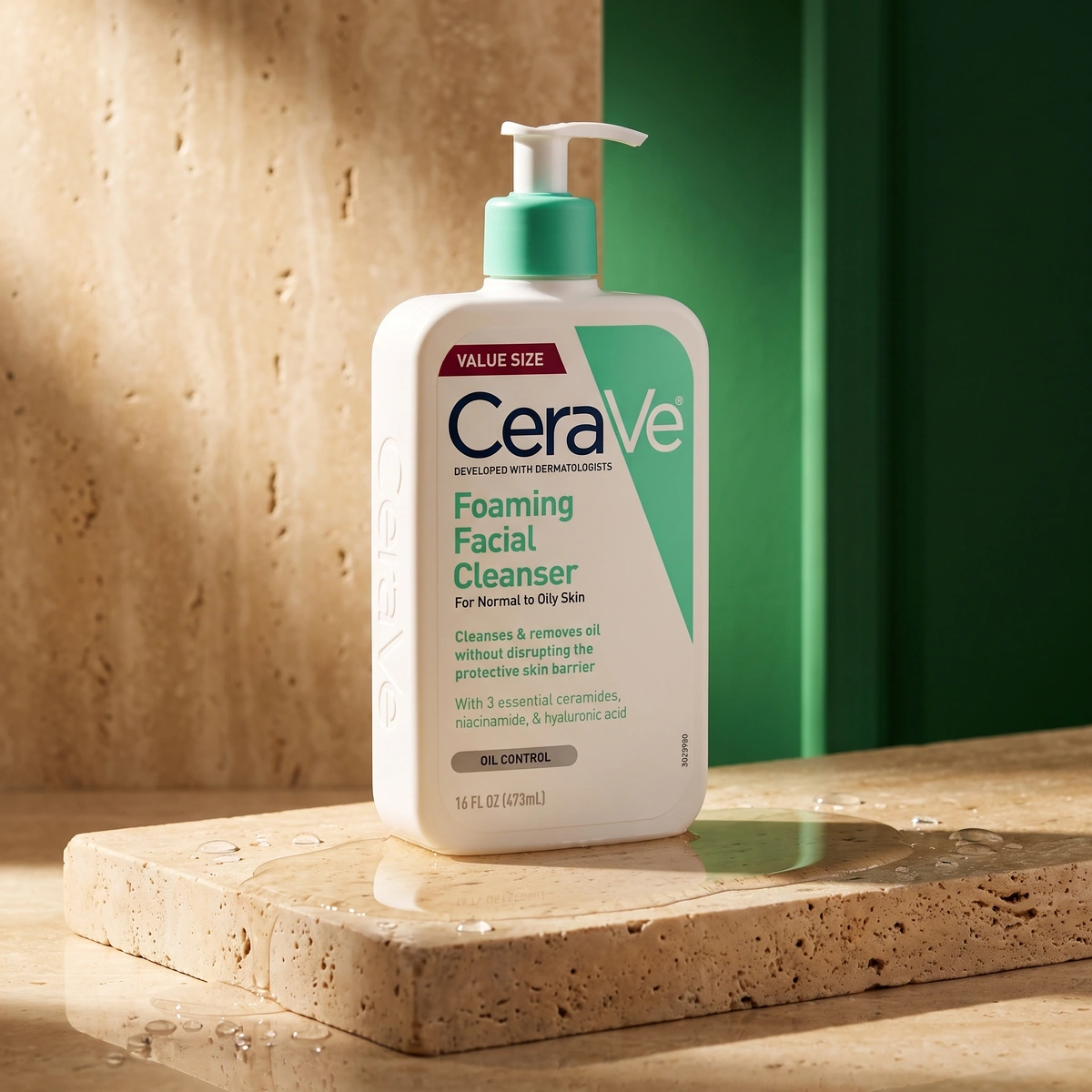
CeraVe Foaming Facial Cleanser
Handles teenage oil twice a day without the stripped feeling that makes skin produce even more of it.
 Affiliate link — we may earn a commission, at no extra cost to you.View on Amazon →
Why this one for you: CeraVe Foaming Facial Cleanser suits this step.
Handles teenage oil twice a day without the stripped feeling that makes skin produce even more of it. - CleanserBudget pick
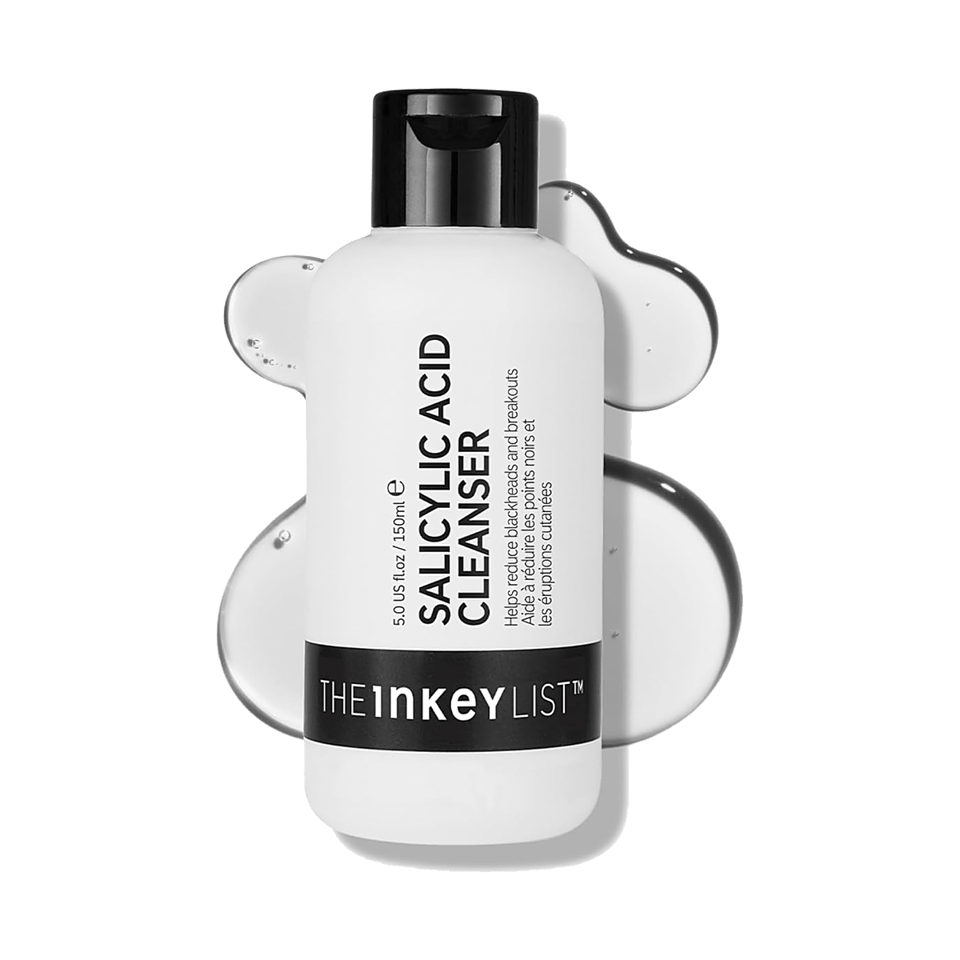
The Inkey List Salicylic Acid Cleanser
A cheap BHA wash for congested foreheads and noses — enough for mild breakouts on its own.
 Affiliate link — we may earn a commission, at no extra cost to you.View on Amazon →
Why this one for you: The Inkey List Salicylic Acid Cleanser suits this step.
A cheap BHA wash for congested foreheads and noses — enough for mild breakouts on its own. - TreatmentBest overall
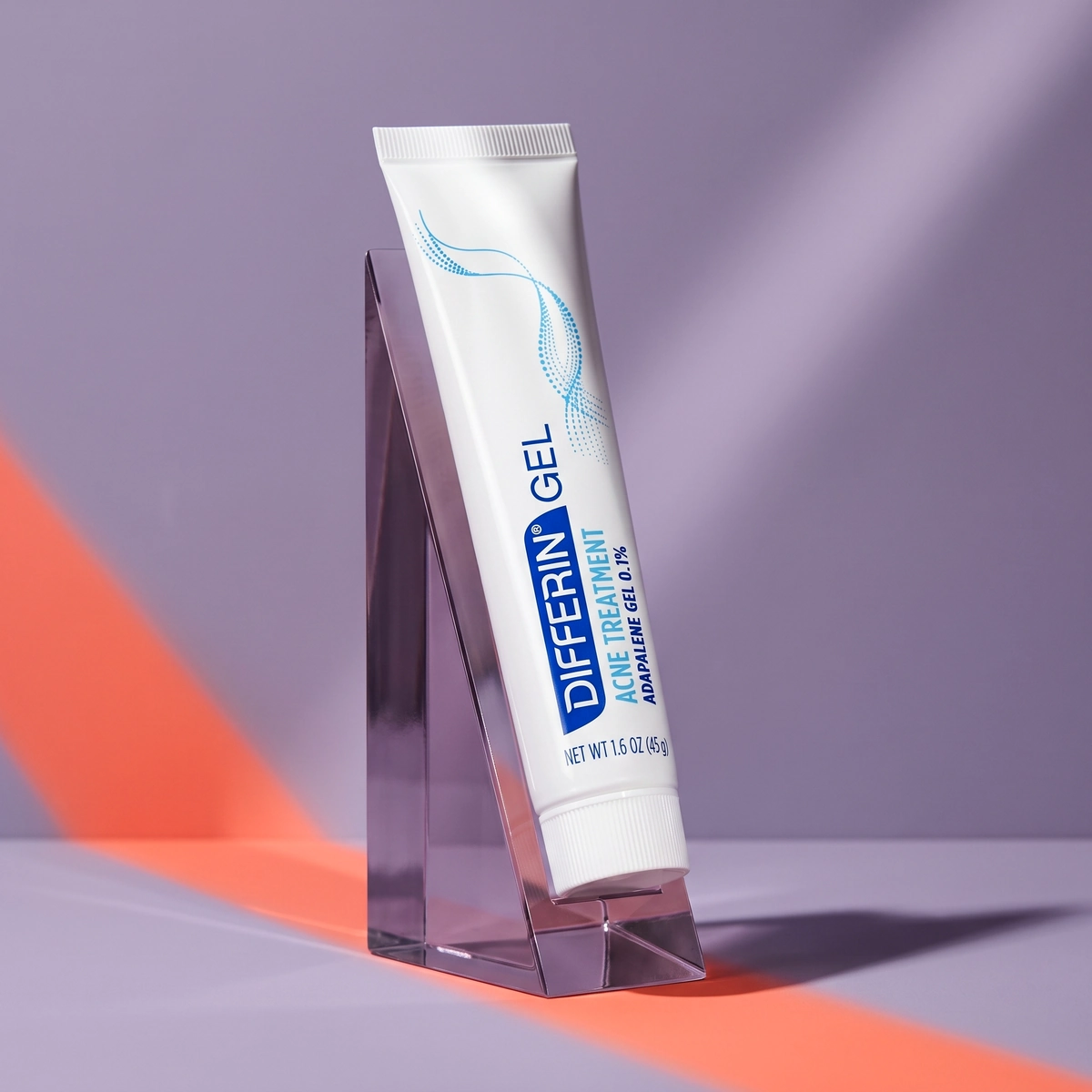
Differin Adapalene Gel 0.1%
If breakouts are persistent rather than occasional, this is the one product with real evidence behind it.
 Affiliate link — we may earn a commission, at no extra cost to you.View on Amazon →
Why this one for you: Differin Adapalene Gel 0.1% suits this step.
If breakouts are persistent rather than occasional, this is the one product with real evidence behind it. - TreatmentBudget pick
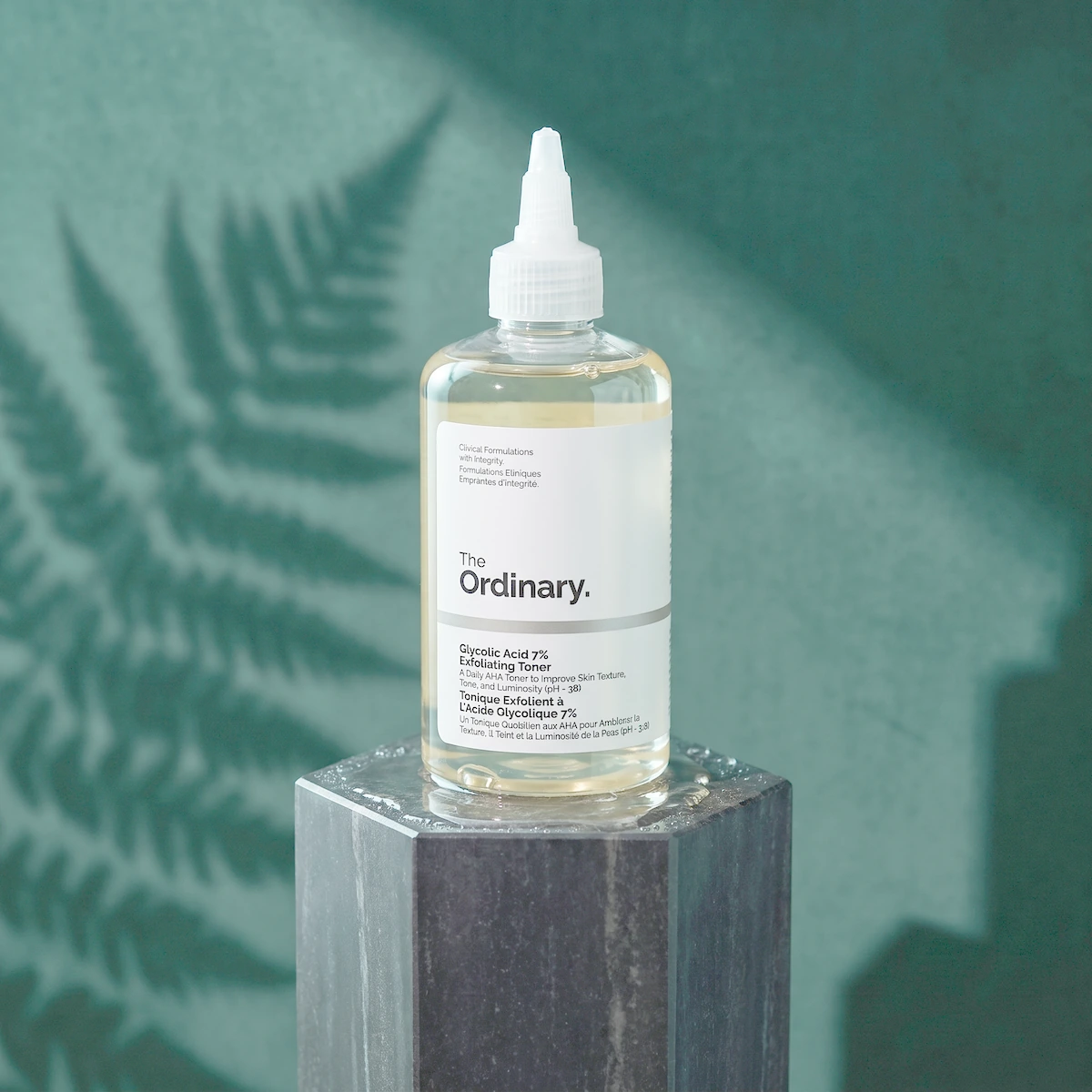
The Ordinary Glycolic Acid 7% Toning Solution
A twice-weekly rinse-free exfoliant for rough texture, at pocket-money pricing.
 Affiliate link — we may earn a commission, at no extra cost to you.View on Amazon →
Why this one for you: The Ordinary Glycolic Acid 7% Toning Solution suits this step.
A twice-weekly rinse-free exfoliant for rough texture, at pocket-money pricing. - MoisturizerBest overall
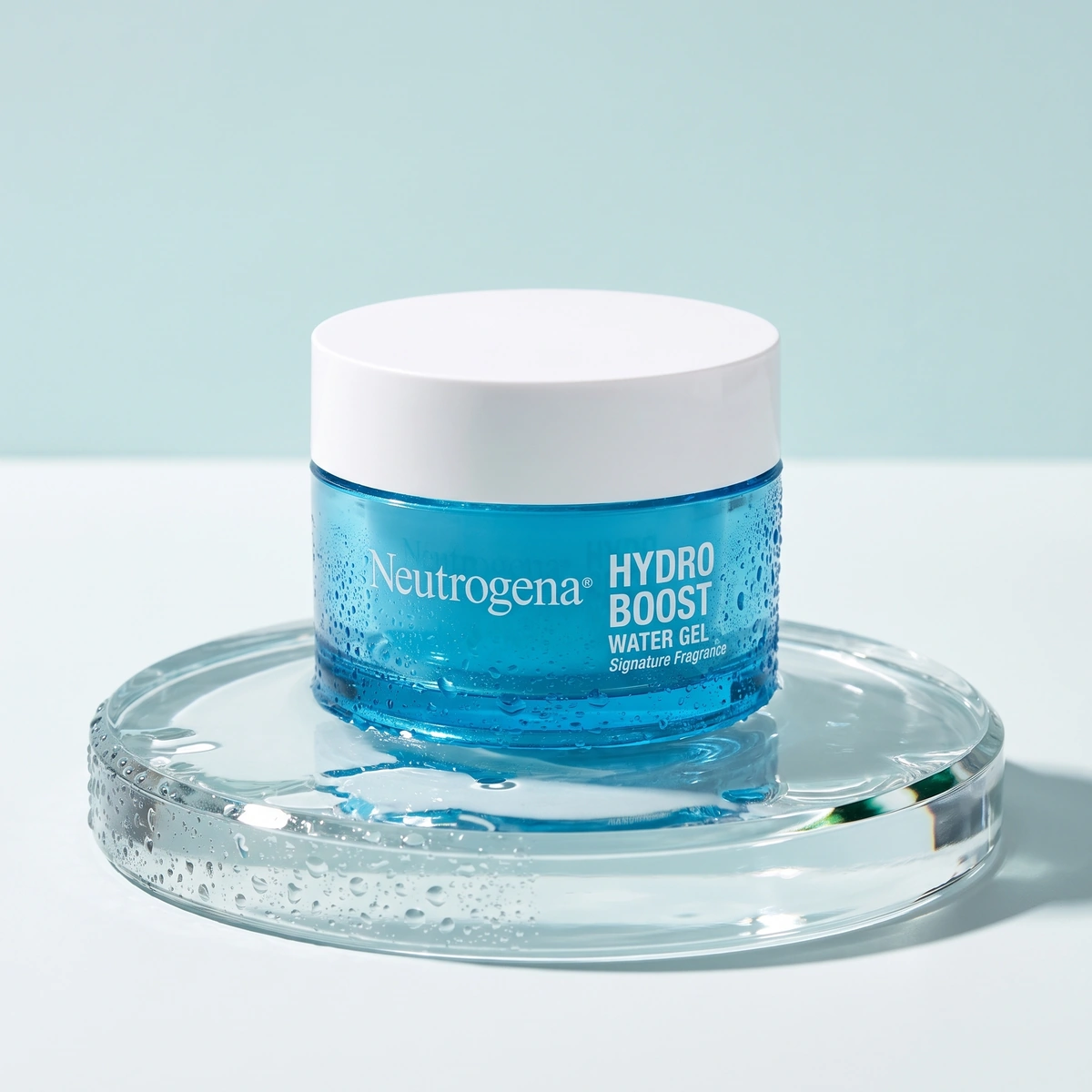
Neutrogena Hydro Boost Water Gel
Oil-free and fast-absorbing, so it never feels heavy and never gets skipped before school.
 Affiliate link — we may earn a commission, at no extra cost to you.View on Amazon →
Why this one for you: Neutrogena Hydro Boost Water Gel suits this step.
Oil-free and fast-absorbing, so it never feels heavy and never gets skipped before school. - MoisturizerBudget pickKorean Beauty
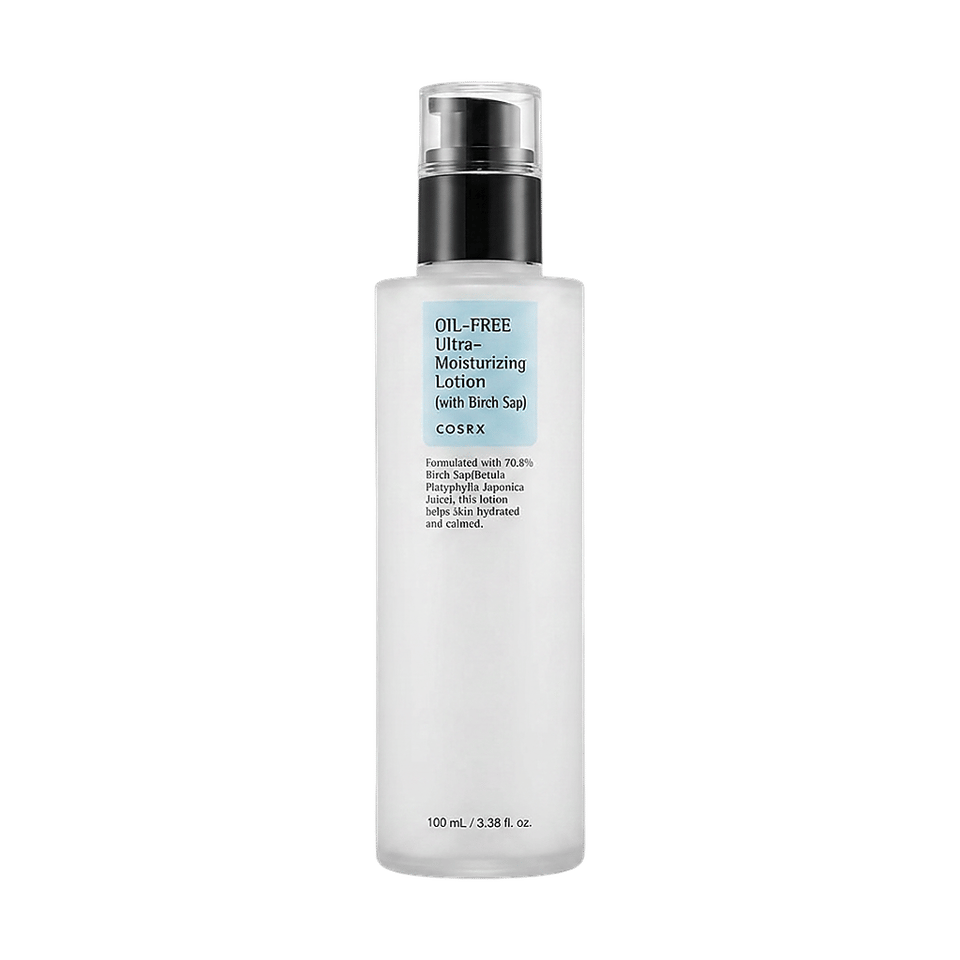
COSRX Oil-Free Ultra Moisturizing Lotion
Light hydration that keeps acne treatments from drying skin out, for around ten dollars.
 Affiliate link — we may earn a commission, at no extra cost to you.View on Amazon →
Why this one for you: COSRX Oil-Free Ultra Moisturizing Lotion suits this step.
Light hydration that keeps acne treatments from drying skin out, for around ten dollars. - SunscreenBest overallKorean Beauty
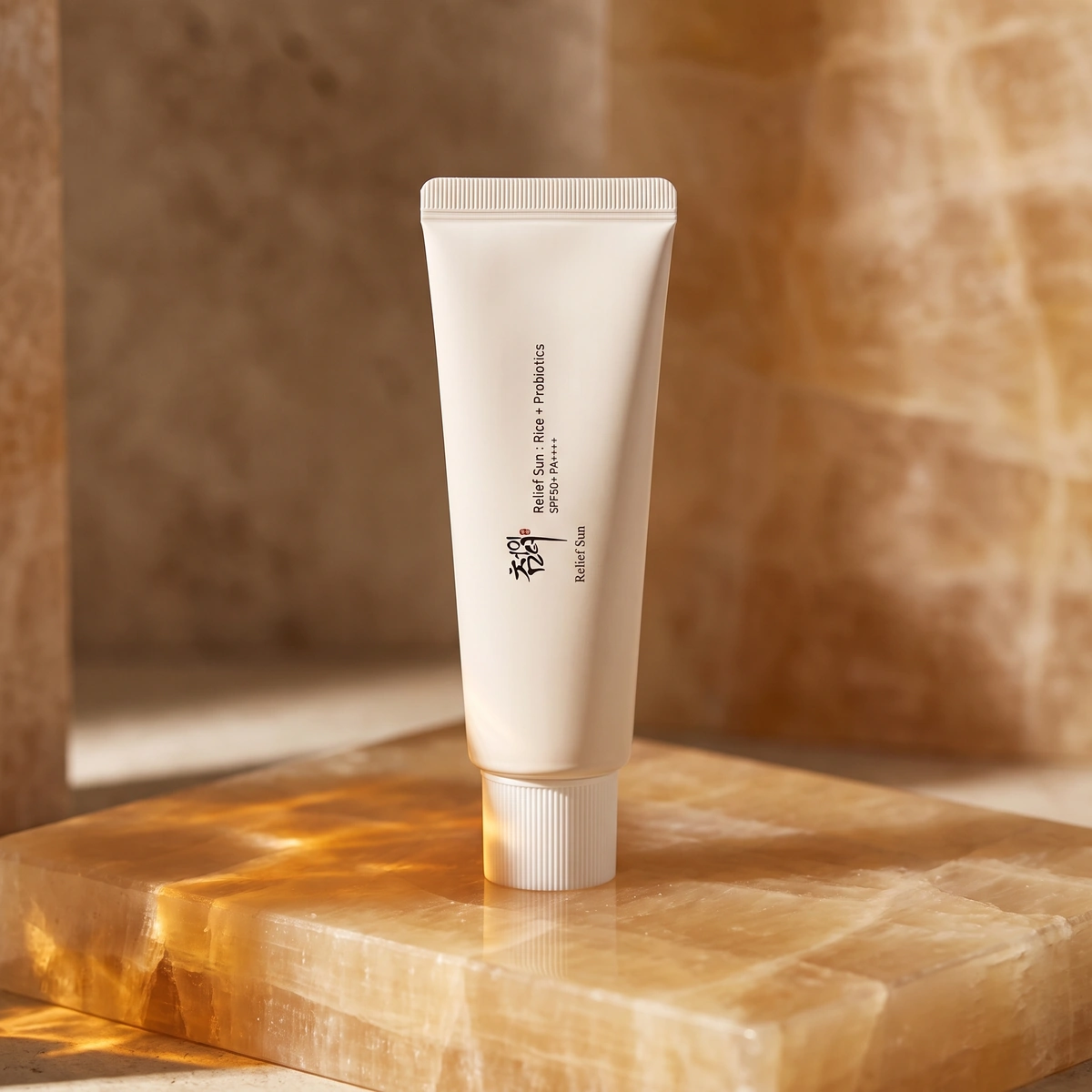
Beauty of Joseon Relief Sun: Rice + Probiotics SPF 50+
Cosmetically light SPF 50 that teenagers will actually wear — no cast, no greasiness, no smell.
 Affiliate link — we may earn a commission, at no extra cost to you.View on Amazon →
Why this one for you: Beauty of Joseon Relief Sun: Rice + Probiotics SPF 50+ suits this step.
Cosmetically light SPF 50 that teenagers will actually wear — no cast, no greasiness, no smell. - SunscreenBudget pick
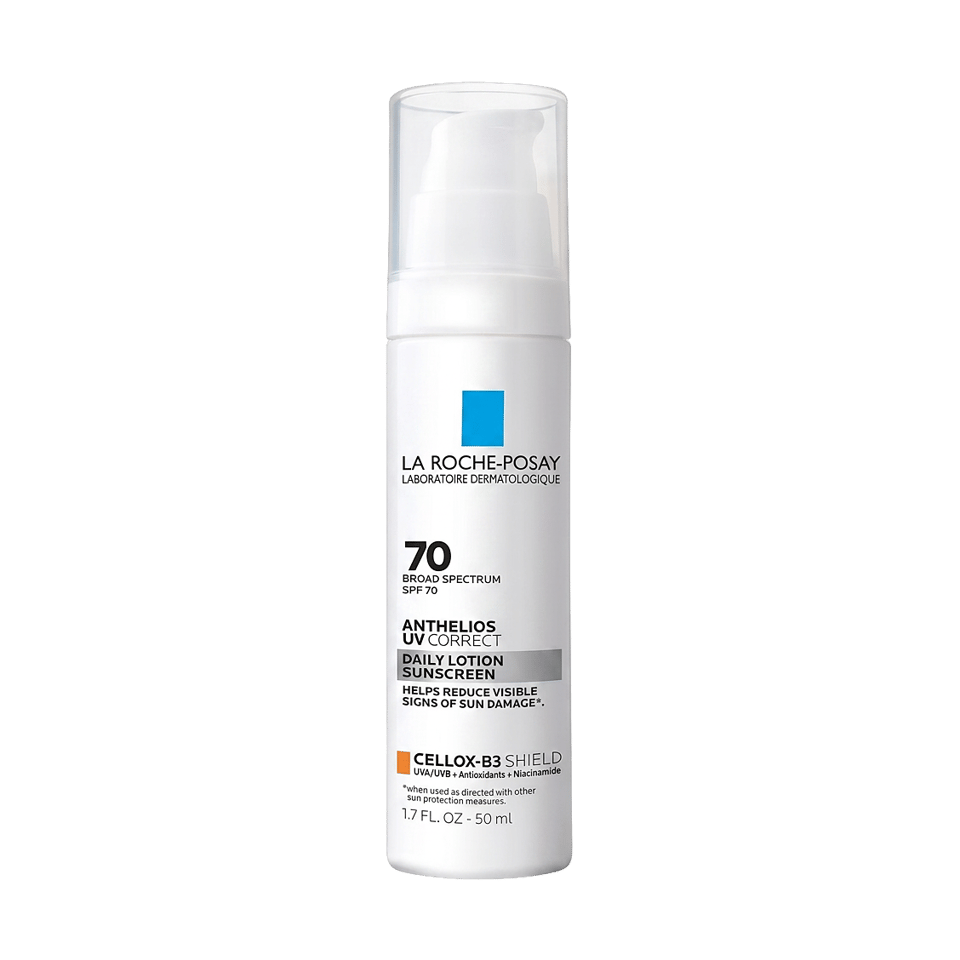
La Roche-Posay Anthelios UV Correct SPF 70
Cheap, widely stocked daily protection — the habit matters more than the bottle at this age.
 Affiliate link — we may earn a commission, at no extra cost to you.View on Amazon →
Why this one for you: La Roche-Posay Anthelios UV Correct SPF 70 suits this step.
Cheap, widely stocked daily protection — the habit matters more than the bottle at this age.
Teen skincare questions, answered
- At what age should a teenager start a skincare routine?
- Most teens benefit from a simple routine once puberty begins and oil production increases — usually between 11 and 14. Start with cleanser, moisturizer, and SPF, then add salicylic acid if breakouts appear.
- How quickly do teen breakouts usually improve?
- Consistency beats speed. A gentle cleanser, non-comedogenic moisturizer, and SPF daily, plus a salicylic acid or benzoyl peroxide product used as directed, is the usual starting point. Published guidance suggests giving any routine 8 to 12 weeks before judging it, and results differ from person to person.
- Do teenagers need retinol?
- Usually not. Teen skin renews quickly on its own. Salicylic acid and benzoyl peroxide handle most teen acne; retinol is better introduced in the late teens or early twenties for texture or scarring concerns. Teens with persistent comedonal acne can ask a clinician or parent about adapalene 0.1%, an over-the-counter retinoid, but only with guidance on how to use adapalene gel safely.
- Can teenagers use the same products as adults?
- Many ingredients overlap, but teens should avoid strong anti-aging actives and rich, heavy creams. Look for gentle, oil-free, non-comedogenic formulas labeled for acne-prone or sensitive skin.
- When should a teenager see a dermatologist?
- See a dermatologist — with a parent or guardian — if breakouts are painful or deep, if they leave scars or lasting marks, if over-the-counter products have not helped after about three months, or if acne is affecting confidence or mood. Nothing on this page is a diagnosis, and a clinician who can see your skin can offer options we cannot.
- Should boys and girls use different skincare?
- Not necessarily. The same core routine works for all teenagers. Oiliness, acne, and sensitivity matter more than gender when choosing products.
Keep reading
Acne routine
Breakouts start inside the pore: excess oil, sticky dead skin cells, and C. acnes bacteria. A routine that helps keep breakouts under control keeps pores open with a consistent active, calms inflammation, and never strips the barrier — because irritated skin breaks out more.
Anti-aging routine
Roughly 80% of visible facial aging is caused by UV exposure, not time. That makes the routine simple in principle: protect during the day, stimulate collagen at night, and keep the barrier hydrated so lines look softer immediately.
Dullness routine
Dullness is usually light, not pigment. A build-up of dead cells scatters light instead of reflecting it, and dehydrated skin makes it worse. Smooth the surface, saturate it with water, and brighten tone — glow follows.
Glass skin routine
Glass skin is a surface condition, not a product. Layer water into damp skin, seal it with a barrier cream, exfoliate gently once or twice a week, and light reflects evenly instead of scattering.
Hyperpigmentation routine
Hyperpigmentation is excess melanin left behind after inflammation, hormones, or UV exposure. Fading it takes two things in parallel: an ingredient that slows new pigment production, and sunscreen that stops the spot being re-triggered every day. Everything else is optional.
Rosacea routine
Rosacea is a chronic inflammatory condition, not a hygiene problem. Skin that flushes easily has a weakened barrier and reactive blood vessels, so the routine that helps is short, fragrance-free, and consistent. Fewer, gentler steps almost always beat a longer regimen.
Men's skincare routine
Men's skin is measurably thicker, produces more sebum, and gets shaved several times a week. That combination means more shine, more ingrown hairs, and more razor irritation — but it also means a short, consistent routine works remarkably well. Four steps, twice a day, is enough.
Pregnancy-safe routine
Pregnancy brings breakouts, melasma, and new sensitivity just as retinoids come off the table. Azelaic acid, niacinamide, vitamin C, and tinted mineral SPF cover almost all of it safely.
Dark skin routine
Richly pigmented skin burns less but holds a mark far longer. Preventing inflammation matters more than any brightener: gentle actives, no scrubs, and a daily cast-free SPF stop dark marks and melasma before they start.
Fair skin routine
Fair skin has the least natural UV protection, so sun damage drives most visible aging. Protect hard by day, rebuild at night, and introduce actives slowly to avoid lasting redness.
Oily skin routine
Control shine and clear pores without stripping your barrier.
Dry skin routine
Rebuild a comfortable moisture barrier with layered hydration.
Combination skin routine
Balance an oily T-zone and drier cheeks with zone-aware layering.
Browse every skincare routine guide.
References and sources
Evidence reviewed: American Academy of Dermatology; Cosmetic Ingredient Review. Last read in full August 2026 by Maria Alejandra.
Ingredient behavior, tested concentrations, and safety guidance come from the sources below. Which specific product we suggest, the order we put steps in, and how gently we ramp a routine up are our own editorial judgement — useful, but not clinical evidence, and never a substitute for a dermatologist who can see your skin.
- 1.Acne: diagnosis and treatment — American Academy of Dermatology
- 2.Acne: skin care tips — American Academy of Dermatology
- 3.Cosmetic ingredient safety assessments — Cosmetic Ingredient Review