8 min read
Do You Actually Need a Toner? What the Step Does Now
This page contains affiliate links. As an Amazon Associate I earn from qualifying purchases.
The short answer
No, toner is not a required step. Modern toners fall into three groups: hydrating, exfoliating and astringent. A hydrating toner helps dry or tight skin, an exfoliating toner replaces a separate acid step, and astringent alcohol-based toners are best avoided. If your skin is comfortable after cleansing, skip it.
Key takeaways
- Toner is optional — the original pH-correcting purpose disappeared once cleansers became pH-balanced.
- Hydrating toners help dry and tight skin; exfoliating toners replace a separate acid step.
- Alcohol-based astringent toners cost more barrier function than the temporary mattness is worth.
- Read the first five ingredients: they tell you which of the three toner types you are holding.
Toner is the most-questioned step in skincare, and reasonably so. The original purpose has disappeared. Toners were invented to strip residual alkaline soap and restore the skin's natural pH after washing, back when face soap ran at pH 9 or 10. Modern cleansers are pH-balanced and rinse clean, so that job no longer exists. What survived is the bottle, repurposed to deliver whatever the formulator chose to put in it. That means the answer to whether you need one depends entirely on which of three very different products you are holding.
Written by Maria Alejandra, founder and editor · Last updated:
Independently researched and reviewed for accuracy. Read our editorial policy or how we research routines.
The three kinds of toner
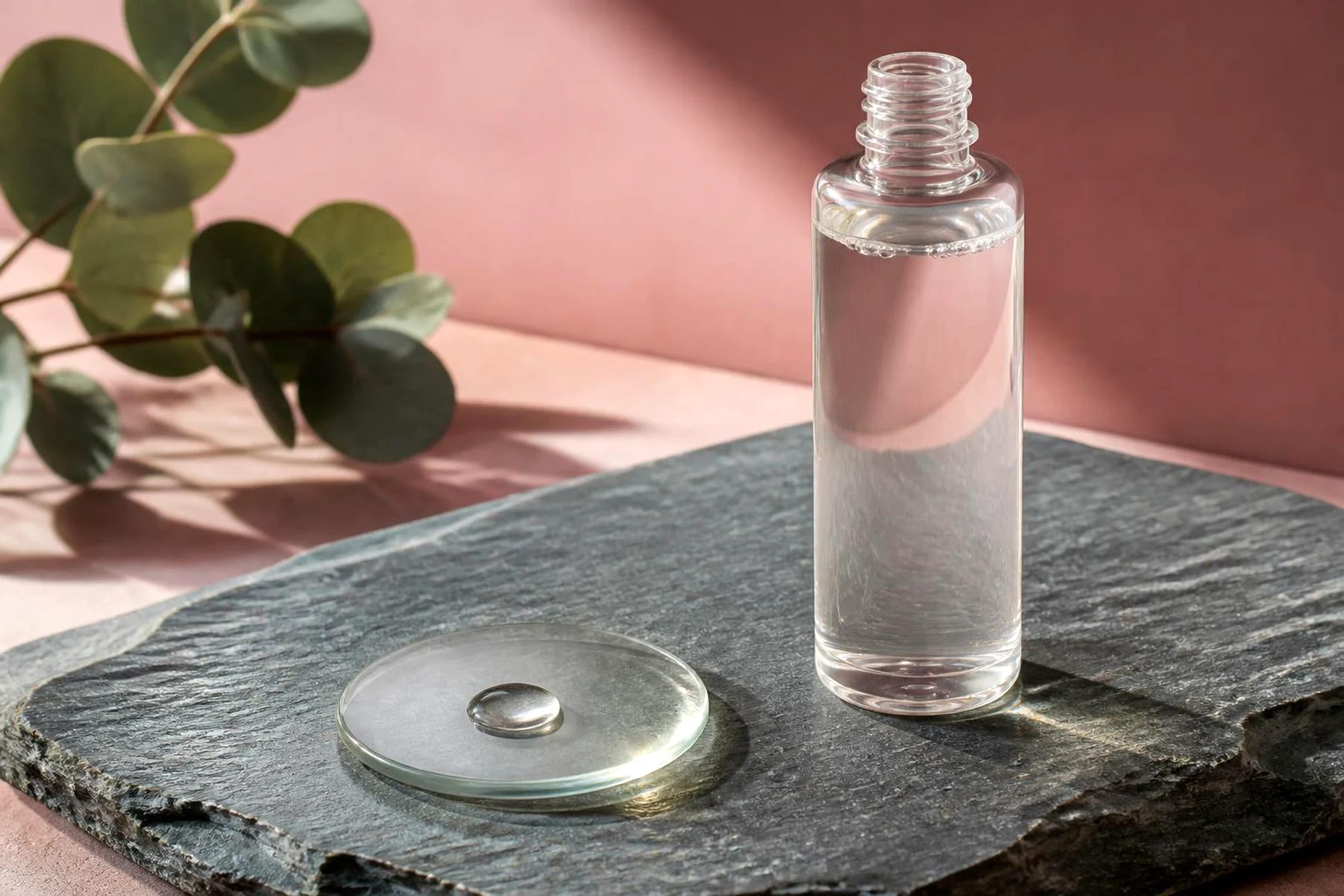
Reading the label matters more here than in any other category, because two products in the same shelf position can do opposite things to your skin.
| Type | Typical ingredients | Who it helps | Verdict |
|---|---|---|---|
| Hydrating / essence | Glycerin, hyaluronic acid, panthenol, beta-glucan | Dry, tight, dehydrated or mature skin | Genuinely useful, optional |
| Exfoliating | Glycolic, lactic or salicylic acid, PHAs | Congested, uneven or blackhead-prone skin | Useful, but counts as your exfoliation step |
| Astringent | Denatured alcohol, witch hazel distillate, menthol | Almost no one | Skip — short-lived mattness at the cost of barrier damage |
When a hydrating toner earns its place
Applying a watery layer to damp skin before your serum gives the humectants below it something to hold. It is the cheapest way to make a moisturizer feel more cushioned without switching to a heavier cream, which is why people with dry skin in cold climates tend to keep the step.
It also helps if you use a foaming cleanser and feel any tightness afterwards. That tightness is a signal to change cleanser, but a hydrating toner buys comfort in the meantime.
- Pat it into skin that is still slightly damp from rinsing — dry skin absorbs far less.
- Use clean hands rather than a cotton pad; the pad absorbs most of the product.
- Two or three passes of a lightweight toner outperform one pass of a heavy one.
When you should skip it
If your skin feels comfortable and neither tight nor greasy ten minutes after cleansing, a toner adds cost and time without adding benefit. There is no evidence that a hydrating toner improves the performance of a well-formulated serum applied to clean skin.
Skip astringent toners in every case. Denatured alcohol evaporates fast and takes surface lipids with it, so oily skin is left tight and irritated and dry skin loses barrier function. Witch hazel distillate is milder but frequently sits in an alcohol base.
Where the step sits in your routine
Toner goes directly after cleansing and before serums, following the thin-to-thick rule. If you use an exfoliating toner, treat it as your acid step for that night and do not layer a separate exfoliant on top.
In the morning, a hydrating toner sits between cleansing and vitamin C. In the evening it sits between cleansing and your retinoid, and a short wait of a few minutes reduces the sting some people feel when a retinoid meets damp skin.
What to look for on the label
Ignore the front of the bottle and read the first five ingredients. Those five make up the great majority of the formula and tell you which of the three categories you are in.
- Glycerin or sodium hyaluronate near the top: hydrating. Good for dry and dehydrated skin.
- Glycolic, lactic, mandelic or salicylic acid listed with a percentage: exfoliating. Count it as your acid step.
- Alcohol denat. in the first five ingredients: astringent. Put it back.
- A long fragrance and essential-oil list: a common irritation source for sensitive skin, whatever the category.
Frequently asked
- Is toner the same as an essence?
- Functionally, mostly yes. Essence is a Korean-beauty term for a lightweight hydrating layer applied after cleansing. Many products marketed as hydrating toners in Europe and the US would be sold as essences elsewhere.
- Can I use micellar water as a toner?
- No. Micellar water is a cleanser. Leaving surfactants on the skin without rinsing can cause irritation over time. Rinse after using it.
- Will a toner shrink my pores?
- No product changes pore size, which is set by genetics and sebum output. Astringents can make pores look temporarily tighter by irritating the surrounding skin, which is not a benefit.
- Should I use toner morning and night?
- If you use a hydrating one and enjoy it, follow the label. An exfoliating toner should also follow its label and your skin tolerance rather than a universal weekly frequency.
- Does toner replace moisturizer?
- No. A toner adds water; a moisturizer holds it in with emollients and occlusives. Using a toner alone leaves that water free to evaporate, which can leave skin drier than before.