
9 min read
How to Audit Your Skincare Shelf in Twenty Minutes
This page contains affiliate links. As an Amazon Associate I earn from qualifying purchases.
The short answer
Take everything out, group products by the job they do rather than the brand, check the opened-jar dates, remove duplicates within each group, and note which of the four core jobs has nothing in it. That last empty group is usually the only thing worth buying.
A skincare shelf is rarely designed. It accumulates, one purchase at a time, each solving whatever the problem was that month. The result is a cabinet where three products do the same job, one job has nothing doing it at all, and half the bottles are past the point where their actives still behave. Twenty minutes and a clear surface fixes most of that, and it costs nothing.
Written by Maria Alejandra, founder and editor · Last updated:
Independently researched and reviewed for accuracy. Read our editorial policy or how we research routines.
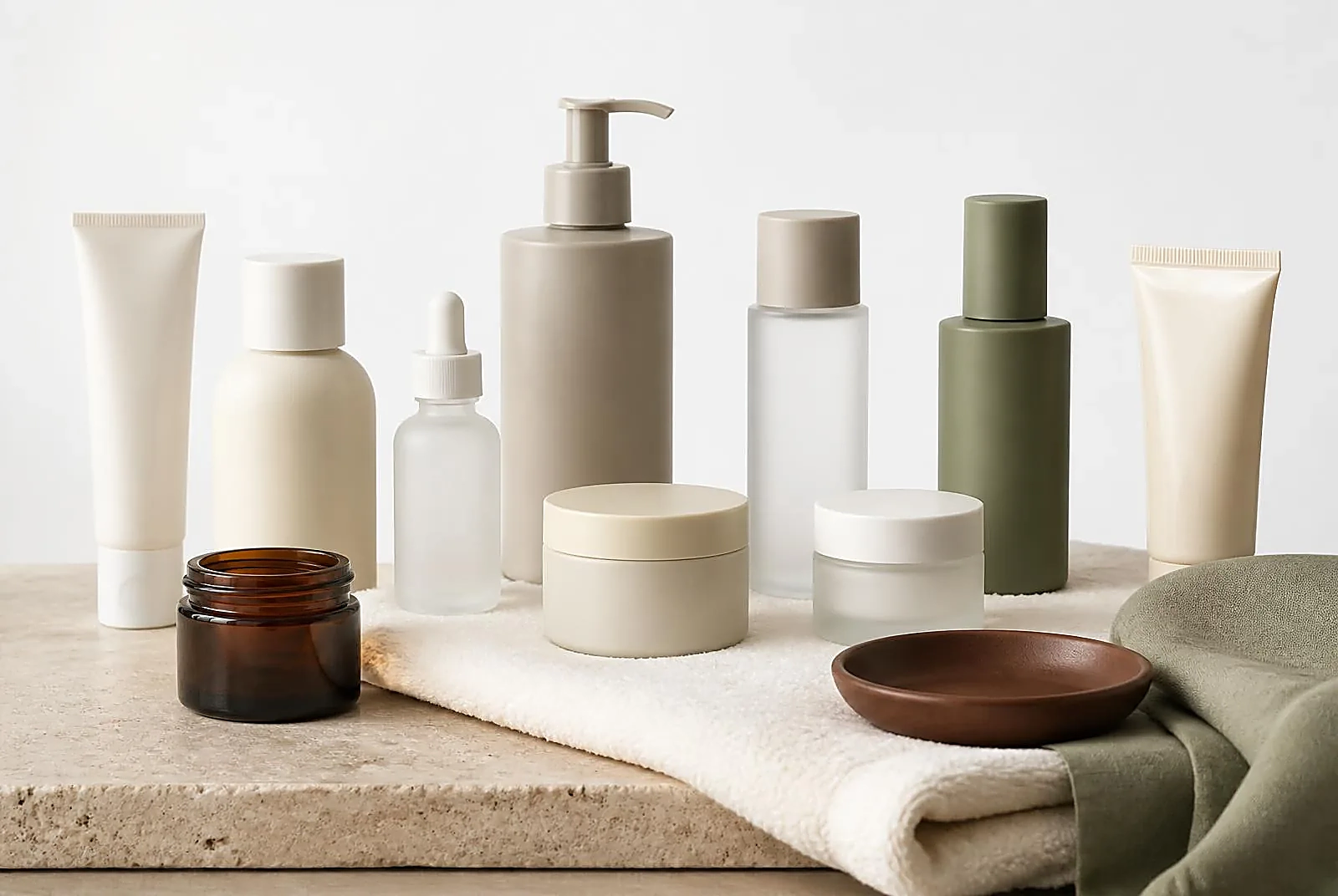
Step one: empty it, and sort by job
Put everything on a towel — including the drawer, the travel bag and the shower. Then sort into groups by what each product does, not by brand or by size. Most cabinets end up with four to six piles.
- Cleanse — washes, balms, micellar waters.
- Hydrate — toners, essences, hyaluronic acid serums.
- Treat — retinoids, acids, vitamin C, benzoyl peroxide, targeted serums.
- Moisturize — creams, gels, lotions, balms.
- Protect — sunscreens only.
- Occasional — masks, spot treatments, anything used less than weekly.
Step two: check the dates and the state
Actives degrade, and a degraded active is not dangerous so much as pointless. The small open-jar symbol on the back gives the months of use after opening. If you cannot remember when a bottle was opened, its condition usually tells you.
| Product | Typical life after opening | Signs it is finished |
|---|---|---|
| Vitamin C serum | 3 to 6 months | Turned deep orange or brown; smells metallic. |
| Sunscreen | 12 months, or the printed date | Separated, grainy, or thinner than it was. |
| Retinoid | 6 to 12 months | Stored in clear packaging on a bright shelf; discolored. |
| Cleanser and moisturizer | 6 to 12 months | Separated, changed smell, or dipped into with fingers for a year. |
| Anything in an open jar | Shorter than the label says | Any change in color or texture at the surface. |
Step three: find the overlaps and the gap
Now look at the piles rather than the bottles. Two or three items in one group means you are buying the same job repeatedly — keep the one you reach for and finish the others before replacing anything. An empty group is more informative: it is the actual hole in the routine.
The two groups most often empty are protect and moisturize, and the group most often overcrowded is treat. That combination is the most common shelf shape we see, and it is also the one where the fix costs the least.
- More than one active in the treat pile: decide which nights each one gets, or park the rest.
- Nothing in the protect pile: this is the gap, before any serum.
- Nothing in the moisturize pile: the actives above it are working without a safety net.
- Two of the same thing: finish one before opening the other.

Step four: write the two lists, then stop
Write a morning list and an evening list on paper, in order, thin to thick, sunscreen last in the morning. Put anything not on those two lists in a box rather than the bin — a product you paused is not a product you wasted, and some of it comes back once the core is steady.
If sorting piles by eye feels like guesswork, The Ritual Lab runs the same method from a list of what you own: every pair of actives judged, each product kept, moved or dropped with a reason, both lists written out in order, and at most one product suggested to fill the group that came up empty.
Frequently asked
- How often should I review my shelf?
- Twice a year is plenty for most people, and the change of season is an easy prompt. Do it sooner if your skin has started reacting to something you cannot identify, or if you have bought three or more products since the last time.
- Should I throw out expired products?
- Expired sunscreen and oxidized vitamin C are worth replacing, because they no longer do the job you are relying on them for. Most other past-date products are simply less effective rather than harmful, but anything that has changed color, smell or texture should go.
- What do I do with the products I pause?
- Keep them somewhere cool and dark, out of the bathroom, and label the box with the date. If you have not reached for something in six months, that is a reasonably honest answer about whether it belongs in the routine.
- Is it wasteful to stop using something I paid for?
- Using a product that is irritating your skin does not recover the money, it just adds a cost. Pausing is reversible, and finishing a duplicate before opening the next one saves more over a year than any single purchase decision.